
World Travel Guide: Experts Reveal Easy Jet Lag Fixes Every Tourist Must Know Before Flying Abroad
World Travel Guide: Experts Reveal Easy Jet Lag Fixes Every Tourist Must Know Before Flying Abroad

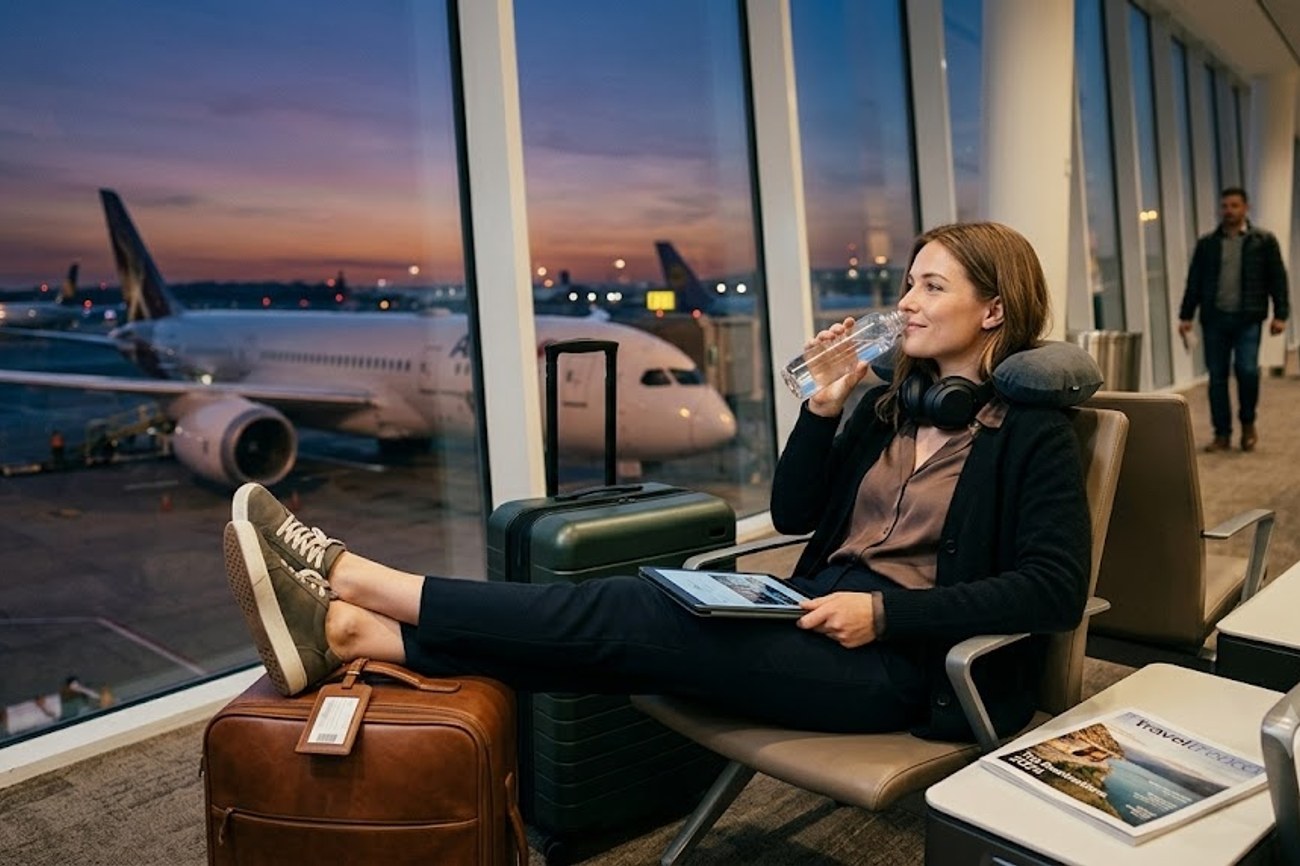
Image generated by AI
Zero hours of synchronization between a traveler’s internal circadian rhythm and a destination's local time zone creates the physiological friction known as jet lag. This systemic mismatch occurs when the body's internal clock—which regulates hormonal release, core body temperature, and digestive cycles—fails to align with the external environment after rapid longitudinal movement. For the modern nomad, this is not merely a matter of tiredness but a temporary disruption of biological homeostasis that can impair cognitive function and physical health.
The Biological Mechanics of Circadian Desynchronization
The human body operates on a precise 24-hour cycle governed by the circadian rhythm. When a traveler crosses multiple time zones in a matter of hours, the internal biological clock remains anchored to the point of origin. This results in a state where the brain may signal for sleep during the destination's peak daylight hours, or trigger wakefulness and hunger during the local midnight.
The severity of this desynchronization is not uniform across all directions of travel. Data suggests that eastward travel is significantly more taxing on the human system than westward travel. This is because the body finds it biologically easier to extend a waking day (westward) than to force an earlier sleep onset (eastward). For those navigating these shifts, the resulting symptoms typically include acute fatigue, mood volatility, appetite suppression, and gastrointestinal distress.
Managing the Pediatric Transition
Families traveling with children face a compounded logistical challenge, as pediatric passengers often lack the cognitive ability to rationalize the discomfort of time zone shifts. In children, jet lag rarely manifests as a simple desire to sleep; instead, it frequently presents as behavioral instability, restlessness, and a refusal to adhere to eating schedules.
To mitigate these effects, the focus must shift from "fixing" the sleep schedule to maintaining psychological anchors. The use of familiar objects—such as specific toys or consistent bedtime stories—serves as a sensory bridge that provides stability in an unfamiliar environment. Experts suggest that the most effective strategy for parents is a gradual pre-departure shift, moving bedtimes by small increments toward the destination's time zone several days before the flight.
Strategic Recovery and Environmental Triggers
The most potent tool for resetting the circadian clock is not pharmacological, but environmental. Natural light serves as the primary zeitgeber—an external cue that synchronizes the internal clock. By strategically exposing themselves to daylight, travelers can signal to the brain exactly when to suppress melatonin production to maintain wakefulness.
To mitigate jet lag, passengers should synchronize their internal clocks by adjusting sleep schedules and hydration levels prior to departure. Many travelers utilize the official SkyTeam guidelines to coordinate flight timings and lounge access for optimal rest during long-haul journeys.
| Recovery Trigger | Actionable Application | Biological Goal |
|---|---|---|
| Morning Sunlight | Outdoor activity upon arrival | Advance the clock for eastward travel |
| Evening Sunlight | Late afternoon walks | Delay the clock for westward travel |
| Local Meal Times | Eating breakfast/dinner at local hours | Reset metabolic and digestive rhythms |
| Controlled Napping | Short, timed rests (under 90 mins) | Prevent total nighttime insomnia |
The integration of technology has introduced a new layer of management. Specialized applications now provide personalized schedules for light exposure and sleep based on specific flight paths. However, these digital tools are secondary to the physical requirements of the body. For children, the risk of "blue light" exposure from screens is particularly high, which can inhibit the natural production of melatonin and further delay the adaptation process.
Expert Analysis: The Logistics of Biological Adaptation
For the frequent traveler, the direct consequence of jet lag is a temporary reduction in "operational capacity." When a traveler arrives in a new city and struggles with focus or mood, they are experiencing a failure of the body to synchronize its hormonal output with the local environment.
The pricing pressure this creates is often hidden in the "lost day" phenomenon. A traveler paying for a premium hotel or a guided tour on day one of a trip may find the value of that investment halved if they are incapacitated by fatigue. From a logistical standpoint, the most efficient way to recover value is to schedule arrival 48 to 72 hours before any high-stakes business meeting or expensive excursion.
Furthermore, the reliance on melatonin supplements is a point of contention among health professionals. While melatonin can assist in sleep onset, its efficacy is entirely dependent on timing. Taking a supplement at the wrong hour can actually push the circadian rhythm in the wrong direction, extending the recovery period. For parents, the risk-to-reward ratio of medication is lower, making behavioral and environmental interventions—such as those recommended by the World Health Organization (WHO)—the safer and more sustainable path.
The synergy between hydration, light exposure, and local routine creates a biological "fast-track" to adaptation. Travelers who ignore these factors essentially leave their recovery to chance, often spending 30% to 50% of their first week in a new destination in a state of suboptimal health.
Upon arrival, exposure to natural sunlight is recommended to reset the circadian rhythm and accelerate acclimatization. Visitors can find curated outdoor activities and walking tours through the Visit Britain portal to ensure they stay active and alert in a new time zone.
Key Takeaways
- Directional Difficulty: Eastward travel is biologically harder to adjust to than westward travel due to the difficulty of advancing the sleep cycle.
- Light as Medicine: Strategic exposure to natural sunlight is the fastest non-pharmacological method to reset the internal clock.
- Pediatric Stability: For children, maintaining familiar sensory routines (toys, stories) is more effective than attempting to force a strict new schedule immediately.
- Metabolic Signaling: Eating meals strictly according to the local time zone helps synchronize the digestive system with the brain's clock.
- Pre-Flight Shifting: Gradually moving sleep times toward the destination's zone before departure reduces the total recovery time upon arrival.
FAQ: Jet Lag Management 2024
How long does it typically take to recover from jet lag? Generally, the body takes one day to adjust for every time zone crossed. However, using light exposure and local meal times can significantly accelerate this process, often reducing the recovery window.
Is melatonin safe for children during international flights? Melatonin should only be administered to children under the direct guidance of a healthcare professional. Natural methods, such as sunlight and consistent routines, are the recommended first line of defense for pediatric travelers.
Should I sleep immediately after landing if I am exhausted? Avoid long naps. If necessary, take a short "power nap" of 20-30 minutes. Sleeping for several hours during the day will prevent you from falling asleep at the local nighttime, prolonging the jet lag.
Does hydration actually help with time zone adjustment? Yes. Dehydration exacerbates the symptoms of fatigue and brain fog associated with jet lag. Maintaining high water intake during the flight and after landing supports overall cognitive function during the transition.
The battle against the clock is won not through force, but through the strategic alignment of light, food, and routine.
Tags: Circadian Rhythm, Pediatric Travel, Long-Haul Aviation, Melatonin Usage, Time Zone Adaptation
Related Travel Guides
- India’s Karnataka Launches Mangaluru Eye Tower Plan to Add a New 200-Metre Coastal Tourism Marvel
- Bahrain Aligns With Qatar And More As US Issues New Travel Advisory To Guarantee Tourist Safety Amid Escalating Risks For Travellers In Riyadh, And Yanbu
- Thailand Unveils Kaeng I Khiao as New Nature Haven to Drive Sustainable Tourism Growth in Ubon Ratchathani
Disclaimer
This article is for informational and educational purposes only. It does not constitute legal, financial, or professional advice. While we strive to provide accurate and up-to-date information, travel policies, regulations, and conditions change rapidly. Always verify information with official sources before making travel decisions. Nomad Lawyer makes no representations about the accuracy, reliability, completeness, or suitability of the information provided. Readers should consult qualified professionals for advice specific to their circumstances. The views expressed in this article are those of the author and do not necessarily reflect the views of Nomad Lawyer.
Naina Thakur
Contributor & Travel Specialist
Travel enthusiast and legal writer covering visa regulations, responsible tourism, and cultural journeys across global destinations.
Learn more about our team →