
World Cup Aviation: Brand Visibility Soars Amid Flight Chaos & High Fares
World Cup transit boosts airline brand visibility, but flight delays, diversions, and rising fares test passenger loyalty and infrastructure limits.

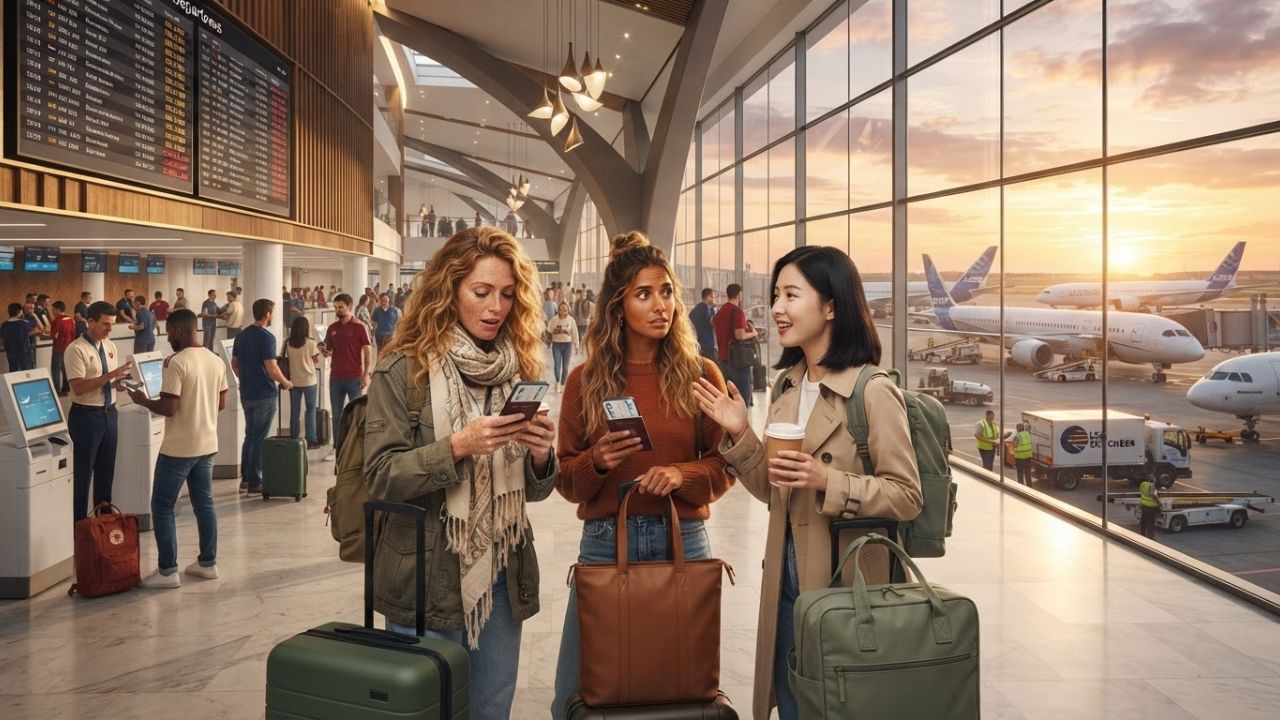
Image generated by AI
The high-stakes logistics of transporting millions of international football fans between host cities have placed unprecedented pressure on global aviation networks. According to reports from media intelligence analysts, commercial airlines are securing massive brand exposure but are failing to deliver consistent service. The resulting world-cup aviation travel chaos has exposed infrastructure limits across major passenger transit gateways.
A detailed review of editorial coverage and social media sentiment indicates that passenger frustration is dominating the public narrative. While corporate marketing teams celebrate record-breaking brand impressions, airport terminals are experiencing significant passenger gridlock. Airlines are finding that flashy sponsorship campaigns cannot offset the reputational damage of cancelled connections and lost luggage.
For global carriers, the tournament represents a double-edged sword where operational failures are magnified on the world stage. High-profile sports journalists, broadcast crews, and team staff have faced travel delays, amplifying negative sentiment across digital channels. Industry groups are urging carriers to prioritize operational resilience over marketing campaigns.
According to media tracking data, American Airlines secured the highest share of tournament-related coverage, commanding over 33% of the total editorial volume. The carrier positioned itself aggressively as a primary travel partner by expanding flights and adding regional routes. However, this high exposure quickly turned into a public relations challenge when delays and diversions disrupted high-profile travelers.
In contrast, Qatar Airways continues to lead the industry in consumer engagement, generating thousands of dedicated mentions and social interactions. The carrier deployed custom tournament liveries across its modern fleet and integrated its Privilege Club rewards program with match-day ticketing. This promotional strategy allowed the airline to boost route capacity, though it also drew scrutiny over elite travel privileges.
Despite the visual success of Qatar Airways' marketing, industry observers note that passenger feedback remains highly sensitive to timing reliability. While themed digital content and enhanced cabin features perform well online, they do not resolve the core challenge of flight delays. Both carriers illustrate the challenge of managing customer expectations during mega-events.
Meanwhile, Delta Air Lines and United Airlines are navigating challenging public relations environments rather than celebrating marketing victories. Delta’s tournament presence has been defined by rising ticket prices, sudden schedule changes, and general market strain. The carrier's social media reach was limited by a lack of engaging campaign activity, leaving its profile dominated by operational complaints.
United Airlines faced a highly volatile public profile, with negative online conversations heavily outnumbering positive customer feedback. The carrier drew criticism following multiple delays that directly affected international broadcast teams and media networks. For both US giants, the logistical strain of moving time-sensitive sports fans has overshadowed traditional corporate messaging.
The operational difficulties highlight the fragility of the hub-and-spoke model when faced with sudden demand spikes. When a carrier cancels or delays a flight carrying media staff, the resulting disruption quickly becomes public news. Consequently, airlines are finding that their reactive crisis management is under intense public scrutiny.
As flight disruptions continue to impact travelers, consumer advocacy groups are demanding stronger enforcement of passenger rights frameworks. Regulations overseen by bodies like the Civil Aviation Authority (CAA) are forcing airlines to provide real-time updates and instant digital compensation. The tolerance for sudden schedule adjustments has hit an all-time low, pushing carriers to modernize their customer service tools.
Market trends suggest that passengers now judge an airline by how effectively it handles disruptions rather than its television advertisements. Travelers expect immediate updates on baggage tracking, clear rebooking instructions, and prompt meal and hotel vouchers. If a premium carrier fails to deliver basic reliability, affluent sports tourists will migrate to more agile boutique competitors.
Future tournament host nations are expected to demand stricter operational reliability guarantees from carriers before awarding lucrative transport privileges. The International Air Transport Association (IATA) is emphasizing the need for smarter capacity management and backup fleet readiness. Flashy marketing cannot replace the core requirement of on-time performance.
| Airline | Media Volume Share | Primary Public Narrative | Key Marketing Activations |
|---|---|---|---|
| American Airlines | Over 33% (Editorial) | High exposure undermined by delays and diversions impacting media crews | Expanded regional routes, tournament travel partnership |
| Qatar Airways | High (Social Media) | Strong fan engagement offset by scrutiny over elite privileges and sponsorships | Custom tournament liveries, Privilege Club integration |
| Delta Air Lines | Moderate | Customer frustration over high ticket prices and schedule adjustments | Limited active campaign engagement, stable reach |
| United Airlines | Highly Volatile | Negative sentiment following disruptions to international broadcast networks | Traditional sponsorship, overshadowed by operational issues |
Key Takeaways
- Marketing vs Operations: Major carriers secured high brand exposure during the tournament, but operational delays damaged customer sentiment.
- American Airlines Dominance: The carrier captured over 33% of the tournament's editorial media volume, the highest among all airlines.
- Qatar Airways Engagement: Custom liveries and rewards program integrations drove high social media engagement for the Doha-based airline.
- United and Delta Volatility: Rising ticket fares and delays impacting media broadcast teams led to high negative sentiment for United and Delta.
Why This Matters
Our analysis of the flight data indicates that mega-event logistics are exposing deep structural vulnerabilities in the global aviation sector. When millions of travelers move along identical flight corridors within a compressed timeframe, standard airline scheduling models fail. The reliance on high load factors leaves carriers with zero spare capacity, meaning a single weather delay or crew shortage triggers a systemic collapse across the network.
This crisis highlights a shift in consumer expectations. Travelers are no longer willing to tolerate long delays as an inevitable feature of peak tourism. As regulatory frameworks like the CAA expand, carriers face rising direct compensation costs alongside reputational damage. Airlines must recognize that investing in backup fleet readiness and ground infrastructure yields better long-term brand equity than multi-million-dollar advertising campaigns.
Industry Outlook
Aviation planners and host governments are expected to redesign transport agreements for future sporting events, requiring binding service guarantees from official airline partners. Carriers will likely invest in automated passenger rebooking tools and real-time baggage tracking to reduce terminal congestion. On-time performance will remain the primary metric of brand health as passenger rights enforcement intensifies.
FAQ
Why is World Cup travel causing flight delays?
The sheer volume of travelers moving between host cities has exceeded the capacity of local airport infrastructure, leaving carriers with no scheduling buffers.
Which airline captured the highest media coverage during the tournament?
American Airlines captured the highest share of coverage, commanding over 33% of the total tournament editorial media volume.
What passenger rights protect fans experiencing flight delays?
Depending on the jurisdiction, passenger rights frameworks like CAA regulations require airlines to provide meal vouchers, hotel accommodation, and cash compensation for long delays.
Related Travel Guides
- Canada Flight Delays: Air Canada, WestJet & Porter Cancellations
- Colombia Flight Delays: LATAM, Avianca & Copa Cancellations
- SFO Airport Flight Delays: United, Air Canada & Southwest Cancellations
- Ottawa Airport Flight Delays: Jazz Aviation, Porter & Air Canada Cancellations
- São Paulo to Ushuaia Direct Flights: LATAM, GOL & Aerolíneas Expand Winter Routes
- Boeing 737 MAX 10: Autoland Tests Validate Extreme Crosswind Capability
- Quebec Lesage Airport Delays: Air Canada, Air Transat & Pascan Cancellations
- LaGuardia Airport Delays: FAA Ground Program & Airshow Trigger Congestion
- Calgary Airport Delays: Air Canada & Porter Cancel Flights to Key Hubs
- American Airlines JFK Terminal 8 Lounge: Provisions by Admirals Club Opens
- Regina Airport Delays: Air Canada & WestJet Encore Cancel Flights to Hubs
- SkyWest Flight SKW6057 Diverts to College Station: CRJ-200 Safe Landing
- Fresno Yosemite Airport Holiday Rush: 33,000 Passengers Screened at FAT
- Air India Express Restores Gulf Network: Oman & Kuwait Flights Resumed
- Goose Bay Airport Flight Delays: Air Borealis Cancels Regional Flights
- United Airlines Flight UA279 Diverts to Orlando: 737-900 Safe Landing
- Saskatoon Airport Flight Delays: Air Canada & WestJet Cancel Flights
- Edmonton Airport Flight Delays: Air Canada & Rouge Suspend Flights
- Asia Flight Cancellations: Monsoon & Geopolitics Disrupt 6,600 Flights
- Sept-Îles Airport Flight Delays: Air Inuit & PAL Airlines Disruptions
- Brazil Flight Cancellations: 79 Cancelled & 267 Delayed in Airspace Crisis
Disclaimer
This article is for informational and educational purposes only. It does not constitute legal, financial, or professional advice. While we strive to provide accurate and up-to-date information, travel policies, regulations, and conditions change rapidly. Always verify information with official sources before making travel decisions. Nomad Lawyer makes no representations about the accuracy, reliability, completeness, or suitability of the information provided. Readers should consult qualified professionals for advice specific to their circumstances. The views expressed in this article are those of the author and do not necessarily reflect the views of Nomad Lawyer.
Kunal K Choudhary
Co-Founder & Contributor
A passionate traveller and tech enthusiast. Kunal contributes to the vision and growth of Nomad Lawyer, bringing fresh perspectives and driving the community forward.
Learn more about our team →