
Women-Only Travel Services Expand Across United States Tourism Market
The rise of women-only travel packages drives a new visitor economy in the US, with destinations like Sedona, Moab, and Yosemite offering tailored wellness and adventure programs.

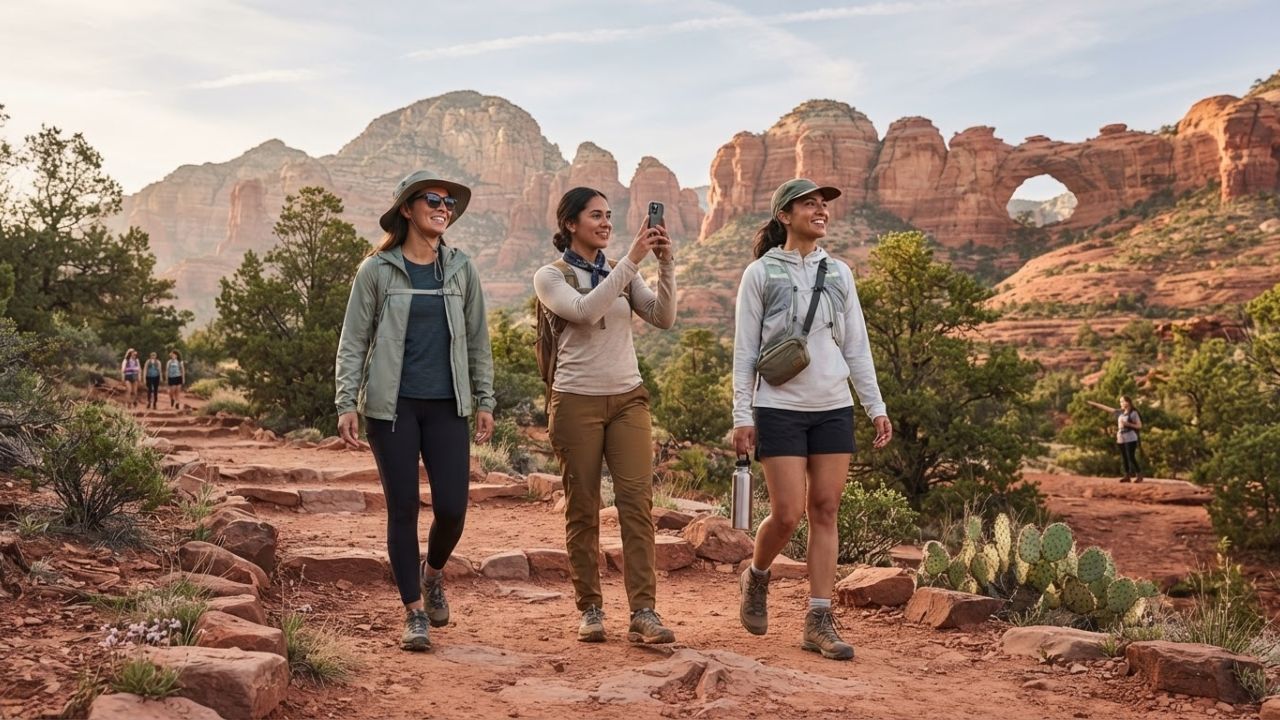
Image generated by AI
The rise of women-only travel packages is driving a new visitor economy across the United States, with Skyscanner reporting that 83% of Gen Z women surveyed are inspired to travel by solo female social media content.
The Rise of Female-Focused Micro-Communities in U.S. Travel
The growth of women-only travel represents a shift that goes far beyond traditional solo holidays. Today’s female travelers are actively seeking micro-communities centered around specialized activities, including hiking, yoga, meditation, wilderness survival, and regional road trips. This evolving preference has prompted lodging providers, adventure operators, and municipal merchants to develop services designed specifically for women.
Currently, tour aggregators like TourRadar list 15 women-only trips in the United States, with durations ranging from four to nine days. This structured approach provides travelers with pre-arranged logistics, certified local guides, and immediate companionship. For local economies, the rise of these tours creates consistent demand for transportation providers, equipment outfitters, and local hospitality groups.
Cultural and Environmental Stewardship in Sedona and Yosemite
For the visitor, the real impact of this trend is the opportunity to practice direct environmental and cultural stewardship. In Sedona, Arizona, the local tourism bureau highlights how wellness travel connects with female entrepreneurship. Locally owned, woman-owned operators like Vita Pura Yoga & Hiking Retreats combine yoga with hiking and meditation among Sedona's red-rock formations, directing traveler spending toward local guides, wellness instructors, and regional organic food suppliers.
| Destination | Primary Travel Niche | Key Event / Operator Example | Program Duration | Estimated Participant Capacity |
|---|---|---|---|---|
| Sedona, AZ | Wellness & Mindfulness | Vita Pura Yoga & Hiking Retreats | 4 to 6 Days | High-yield boutique retreats |
| Moab, UT | High-Intensity Adventure | AndShe'sDopeToo Rendezvous | 3 to 5 Days | Up to 200 women per gathering |
| New Orleans, LA | Cultural & Urban Immersion | Deep South Cultural Journey | 9 Days | Small-group historic tours |
| Yosemite, CA | Guided Backcountry Wilderness | High Country Basecamp | 5 to 7 Days | Guided trail expeditions |
| New England | Seasonal Road Tourism | Autumn Regional Corridor Tours | 7 to 9 Days | Multi-community road trips |
In Yosemite, California, guided women-only basecamp experiences help make challenging backcountry wilderness areas approachable and safe. This structured format helps reduce the ecological footprint on fragile national park trails. Group leaders coordinate gear and enforce strict conservation guidelines, ensuring that travelers support regional heritage while protecting delicate natural resources.
Outdoor Adventure in Moab and Cultural Immersion in New Orleans
Further north in Utah, Moab has emerged as a major center for women's outdoor adventure tourism. State tourism body Visit Utah highlights groups like AndShe'sDopeToo, an outdoor women's community that organizes twice-yearly Moab gatherings. These events bring up to 200 women together for mountain biking, trail running, stand-up paddleboarding, and nature workshops in Arches and Canyonlands national parks. This outdoor model expands business for local gear outfitters and adventure guides.
In urban centers like New Orleans, Louisiana, women-only itineraries, such as the 9-day Deep South cultural journey, redirect spending toward historic hotels, local restaurants, jazz clubs, and independent municipal transit services. This demonstrates how small-group companionship helps women travel independently while participating in local heritage tourism.
Destination Expert Insider Tips and Regional Travel Advice
To make the most of a women-only itinerary and support local host communities, destination specialists recommend the following practical tips:
- Plan Around Shoulder Seasons: Visit popular outdoor destinations like Sedona, Moab, or Yosemite during the spring or autumn months. This off-peak window offers milder weather for trail activities and helps reduce visitor congestion in sensitive national parks.
- Support Female-Owned Businesses: Actively look for locally owned, woman-owned accommodations, retail shops, and guide services in your host destination to keep tourism revenue within the local economy.
- Practice Trail Etiquette: When hiking in Yosemite or biking in Moab, practice basic trail etiquette by yielding to uphill hikers and staying on designated paths to prevent soil erosion.
- Explore Regional Road Corridors: Consider seasonal itineraries, such as New England autumn tours, that link smaller towns like Woodstock, Stowe, Stockbridge, and Portland, distributing visitor spending across multiple rural communities.
Generational Growth and the Future of Female-Focused Travel
The long-term outlook for women-only travel remains strong, driven by the preferences of younger generations. Skyscanner’s 2026 spending research reveals that 56% of Gen Z travelers intend to travel more, while 48% plan to increase their flight budgets.
This generational appetite, combined with social media inspiration, indicates a bright outlook for the women-only travel economy. It encourages destinations to build products tailored specifically to female travelers, ensuring long-term tourism growth.
FAQ: Women-Only Travel and Wellness Retreats U.S. 2026
What makes Sedona a popular destination for women-only travel? Sedona combines its famous red-rock formations with specialized wellness tourism, offering guided hiking, yoga, and meditation retreats run by locally owned, woman-owned businesses.
What activities are included in Moab women's adventure gatherings? Moab gatherings focus on high-intensity outdoor recreation, including mountain biking, trail running, stand-up paddleboarding, and outdoor survival workshops.
How do New England autumn itineraries benefit smaller communities? New England road trips connect several destinations, spreading visitor spending across local historic inns, family-run orchards, and independent dining spots in smaller towns.
Related Travel Guides
Disclaimer
This article is for informational and educational purposes only. It does not constitute legal, financial, or professional advice. While we strive to provide accurate and up-to-date information, travel policies, regulations, and conditions change rapidly. Always verify information with official sources before making travel decisions. Nomad Lawyer makes no representations about the accuracy, reliability, completeness, or suitability of the information provided. Readers should consult qualified professionals for advice specific to their circumstances. The views expressed in this article are those of the author and do not necessarily reflect the views of Nomad Lawyer.
Kunal K Choudhary
Co-Founder & Contributor
A passionate traveller and tech enthusiast. Kunal contributes to the vision and growth of Nomad Lawyer, bringing fresh perspectives and driving the community forward.
Learn more about our team →