
US Air Force Pursues Active Defenses for Tanker Fleet as Aerial Refueling Becomes High-Priority Target
Breaking airline news and aviation industry updates for 2026.

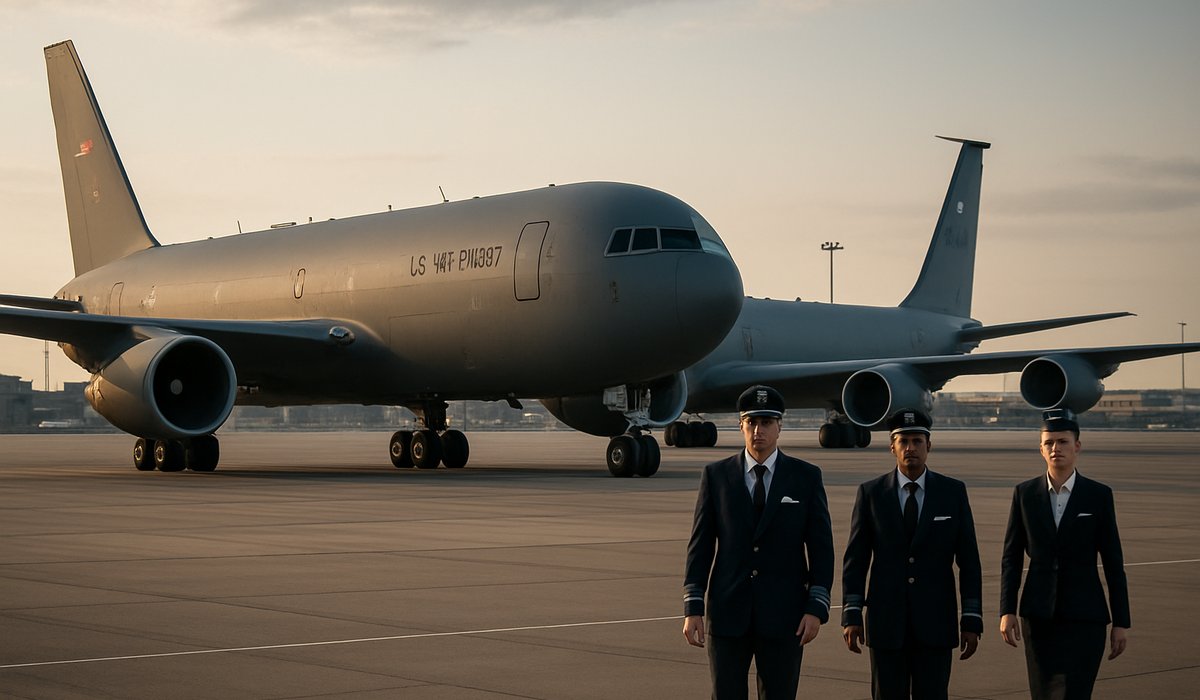
Image generated by AI
US Air Force Pursues Active Defenses for Tanker Fleet as Aerial Refueling Becomes High-Priority Target
Pentagon escalates protection measures for KC-46 and KC-135 aircraft amid emerging threats from advanced missiles and unmanned systems
Critical Infrastructure Faces Growing Vulnerability
The United States Air Force is accelerating efforts to equip its fleet of aerial refueling tankers with sophisticated active defense systems, marking a significant shift in military aviation strategy. The move reflects mounting concerns over the vulnerability of these mission-critical aircraft to evolving threats from advanced missile technology and drone warfare tactics employed by near-peer adversaries.
Aerial refueling represents one of the most essential operational capabilities underpinning American military power projection worldwide. These specialized aircraft—particularly the newer KC-46 Pegasus and the aging KC-135 Stratotanker—enable the US military to sustain combat operations across vast distances, allowing strike fighters, bombers, and reconnaissance platforms to remain airborne for extended periods without returning to forward bases.
The Strategic Imperative Behind Enhanced Protection
The Pentagon's push to install active defense systems on tankers stems from a fundamental strategic reality: these aircraft have become prime targets for adversaries seeking to degrade American combat effectiveness. Without functioning refueling assets, the military's ability to conduct sustained air campaigns, maintain continuous surveillance operations, or rapidly project force to distant theaters diminishes considerably.
In modern conflict scenarios, dedicated intelligence, surveillance, and reconnaissance missions depend entirely on aerial refueling to maintain persistent monitoring capabilities over extended geographic areas. Similarly, close air support operations and sustained bombing campaigns require tanker support to keep strike aircraft on station. The loss or incapacitation of tanker fleets would fundamentally constrain operational flexibility.
Addressing an Evolving Threat Landscape
The Air Force's decision to prioritize active defenses reflects the proliferation of long-range air defense systems, cruise missiles, and unmanned aerial vehicles capable of engaging aircraft at previously unattainable distances. Unlike combat aircraft equipped with advanced electronic warfare suites and maneuverability advantages, tankers traditionally relied on altitude and standoff positioning for protection—a strategy increasingly obsolete against modern threats.
The integration of active countermeasure systems, defensive radar, and potentially directed-energy weapons represents a comprehensive approach to maintaining tanker viability in contested airspace. This modernization effort encompasses both the KC-46, representing the Air Force's next-generation aerial refueling platform, and the venerable KC-135, which continues serving despite decades in operation.
Implications for Military Readiness
The initiative underscores broader Pentagon concerns about maintaining technological superiority and operational reach amid great power competition. As adversaries develop increasingly sophisticated air defense networks, the Air Force faces mounting pressure to ensure its logistical backbone remains functional in high-threat environments—a prerequisite for sustained military operations in potential conflicts with advanced adversaries.
FAQ: Aerial Refueling and Military Air Defense
What are KC-46 and KC-135 tanker aircraft used for? These specialized military aircraft conduct aerial refueling operations, enabling combat aircraft, bombers, and reconnaissance platforms to extend their operational range and endurance without returning to base.
Why do refueling tankers need active defense systems? Modern air defense systems and cruise missiles can engage aircraft at greater distances than ever before, making passive defense strategies insufficient for protecting these high-value military assets.
How do active defense systems work on military aircraft? Active defenses typically include radar warning receivers, chaff and flare dispensers, electronic warfare countermeasures, and potentially directed-energy weapons to detect and neutralize incoming threats.
What impact do tanker losses have on military operations? Loss of tanker capability severely restricts the Air Force's ability to conduct sustained air campaigns, maintain surveillance operations, and project power across intercontinental distances.
Which countries operate similar aerial refueling fleets? Major powers including Russia, China, and NATO allies operate aerial refueling capabilities, though the US maintains the world's most extensive and advanced tanker fleet.
Related Travel Guides
-
Routes British Airways Axes 20 in 2026: Massive Network Cull
-
American Airlines Launches Nine New Routes in Single Day, Signaling Major Network Expansion Strategy
External Resources
Disclaimer
This article is for informational and educational purposes only. It does not constitute legal, financial, or professional advice. While we strive to provide accurate and up-to-date information, travel policies, regulations, and conditions change rapidly. Always verify information with official sources before making travel decisions. Nomad Lawyer makes no representations about the accuracy, reliability, completeness, or suitability of the information provided. Readers should consult qualified professionals for advice specific to their circumstances. The views expressed in this article are those of the author and do not necessarily reflect the views of Nomad Lawyer.
Preeti Gunjan
Contributor & Community Manager
A passionate traveller and community builder. Preeti helps grow the Nomad Lawyer community, fostering engagement and bringing the reader experience to life.
Learn more about our team →