
America's Next Air Force One Will Exceed the GDP of Several Nations—and It's Not Even Ready Yet
Breaking airline news and aviation industry updates for 2026.

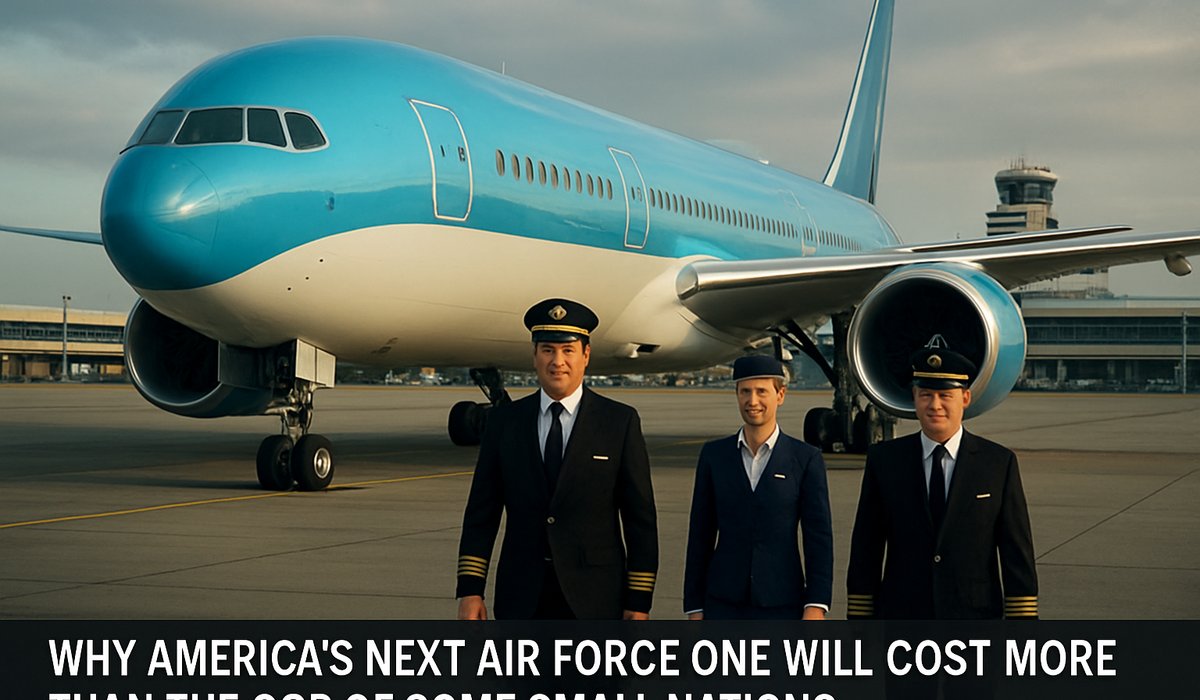
Image generated by AI
America's Next Air Force One Will Exceed the GDP of Several Nations—and It's Not Even Ready Yet
The Pentagon's presidential aircraft replacement program spirals into billions in overruns as delivery delays push the U.S. to lease a former Qatari jet as emergency stopgap
Unprecedented Cost Overruns in Presidential Aviation
The United States government is confronting a stark reality: the next generation of Air Force One will cost substantially more than the entire economic output of numerous sovereign nations—and it won't be operational when originally promised. As the Pentagon scrambles to meet imminent presidential travel demands, federal officials have greenlit an interim solution: retrofitting a former Boeing 747-8 previously owned by Qatar's royal family, scheduled to enter service by summer 2026.
What was initially conceived as a fiscally responsible fixed-price contract has metastasized into a multi-billion-dollar procurement nightmare characterized by persistent delays, extensive design modifications, and ballooning expenditures that have strained defense budgets and raised questions about government acquisition practices.
The Boeing 747-8 Interim: A Band-Aid Solution
The decision to acquire and customize the former Qatari aircraft underscores the severity of delivery delays plaguing the primary replacement program. The interim jet will serve the presidency until the long-delayed primary aircraft—a heavily modified Boeing 747-8 purpose-built for presidential operations—finally achieves operational status, now projected years beyond initial timelines.
This stopgap measure reveals the critical vulnerability facing U.S. executive branch transportation infrastructure, forcing the administration to pursue emergency alternatives rather than rely on the promised fleet modernization.
Systemic Failures in Military Procurement
The Air Force One replacement initiative exemplifies broader dysfunction within Pentagon acquisition procedures. Originally envisioned as a cost-controlled modernization effort, the program has instead become a cautionary tale of unchecked technical complexity, evolving specifications, and insufficient contractor accountability.
Each redesign iteration and engineering modification has compounded costs exponentially. The final price tag now dwarfs the gross domestic product of approximately 100 countries worldwide, according to comparative economic data, making it one of the most expensive single-aircraft procurement efforts in history.
What This Means for Defense Spending
The cascading costs raise uncomfortable questions about how the Department of Defense allocates finite resources across competing priorities—from cyber infrastructure to personnel retention to emerging technologies. Industry analysts suggest that chronic mismanagement in flagship programs like this creates ripple effects throughout military budgeting.
The situation also highlights why defense contractors face mounting pressure to deliver on promises without perpetually renegotiating terms. Congress has signaled growing impatience with cost-plus contracting models that historically incentivize project expansion rather than disciplined execution.
FAQ: Understanding Air Force One's Costly Upgrade
Q: How much will the new Air Force One actually cost taxpayers? A: The program has escalated into multi-billion-dollar territory—exceeding the GDP of numerous nations—though exact final figures remain classified due to national security considerations.
Q: Why is the U.S. leasing a former Qatari aircraft as a temporary replacement? A: Schedule delays on the primary replacement aircraft necessitated an interim solution to ensure uninterrupted presidential air transportation capabilities through the transition period.
Q: What caused such extreme cost overruns in this program? A: Design modifications, technical complexity, evolving specifications, and extended development timelines have compounded initial estimates significantly beyond original projections.
Q: When will the permanent new Air Force One finally enter service? A: The aircraft remains years behind schedule, though exact operational dates have not been publicly confirmed.
Q: Does this reflect problems across Pentagon procurement practices? A: Yes—industry experts view the Air Force One program as emblematic of systemic challenges in military acquisition, including inadequate cost controls and contractor accountability mechanisms.
Related Travel Guides
-
Airlines Expanding Premium Economy Cabins as Mid-Tier Travel Demand Surges in 2026
-
Sun Country Airlines Livery Gets Bold 1990s Retro Makeover in 2026
External Resources
Disclaimer
This article is for informational and educational purposes only. It does not constitute legal, financial, or professional advice. While we strive to provide accurate and up-to-date information, travel policies, regulations, and conditions change rapidly. Always verify information with official sources before making travel decisions. Nomad Lawyer makes no representations about the accuracy, reliability, completeness, or suitability of the information provided. Readers should consult qualified professionals for advice specific to their circumstances. The views expressed in this article are those of the author and do not necessarily reflect the views of Nomad Lawyer.
Kunal K Choudhary
Co-Founder & Contributor
A passionate traveller and tech enthusiast. Kunal contributes to the vision and growth of Nomad Lawyer, bringing fresh perspectives and driving the community forward.
Learn more about our team →