American Airlines Launches Nine New Routes in Single Day, Signaling Major Network Expansion Strategy

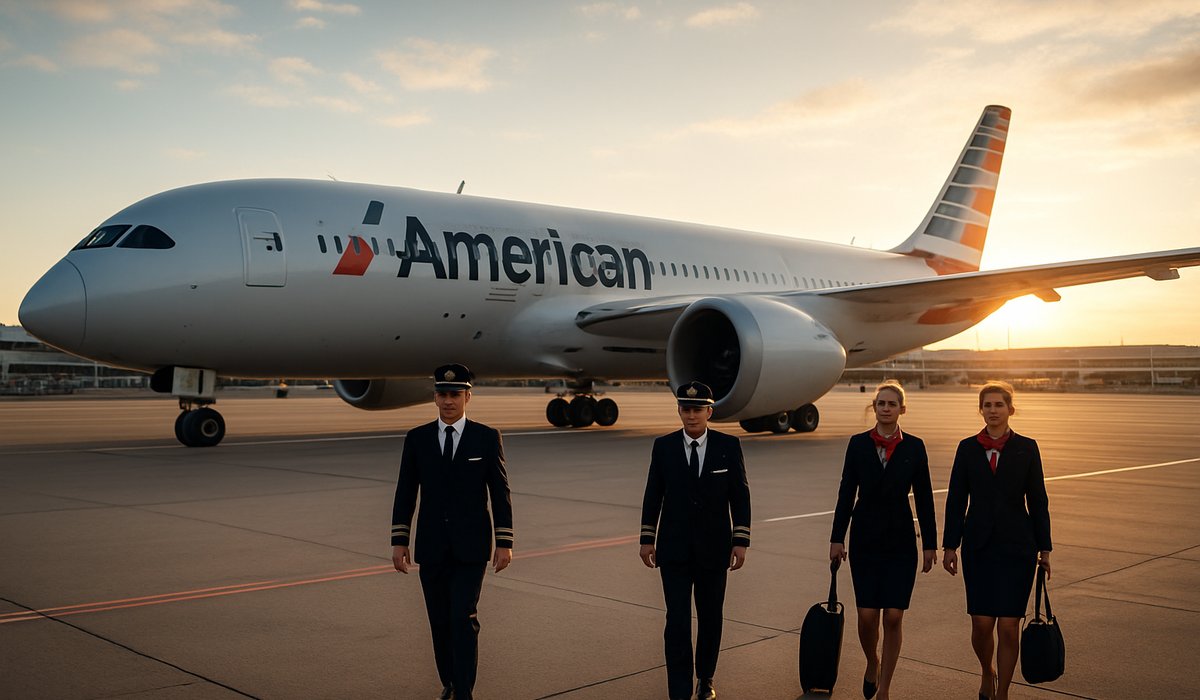
Image generated by AI
The carrier's coordinated route debut marks aggressive repositioning in competitive U.S. aviation market
Record-Breaking Day for American Airlines Network Growth
American Airlines executed a significant operational milestone on Thursday, June 4, simultaneously launching and resuming nine routes across its network—a substantial expansion that underscores the carrier's aggressive growth strategy as the aviation industry rebounds from pandemic-related disruptions.
The coordinated debut represents a decisive move by the Dallas-based carrier to recapture market share and enhance connectivity across its domestic and potentially international footprint. Industry analysts view such concentrated route launches as evidence of carriers capitalizing on post-pandemic travel demand recovery and increased consumer appetite for air travel options.
Strategic Network Positioning in Competitive Market
While American Airlines' nine-route expansion in a single day might appear extraordinary, it reflects broader competitive dynamics within the global aviation sector. Major carriers worldwide are executing similar aggressive scheduling strategies to capture recovered passenger demand and establish dominant market positions ahead of peak summer travel seasons.
Comparable expansion efforts underscored this trend throughout early June: European budget carrier Ryanair commenced eight new routes on June 2, while Southwest Airlines announced plans to launch 13 additional links on June 6. These near-simultaneous expansions demonstrate how legacy and low-cost carriers are simultaneously repositioning their networks to maximize capacity and route coverage.
Industry Context: Fuel Costs and Network Strategy
The timing of American Airlines' expansion coincides with ongoing industry adjustments to volatile jet fuel prices, which directly impact airline profitability and route viability. By strategically expanding its network during periods of moderate fuel cost stability, American Airlines aims to optimize revenue per available seat mile (RASM) while building competitive barriers against rival carriers.
Network expansion has become essential for major airlines facing persistent operating cost pressures, including labor expenses, airport fees, and baggage handling operations. Enhanced route offerings allow carriers to distribute these fixed costs across broader revenue streams.
What This Means for Travelers
The competitive race to expand networks benefits consumers through increased flight options, improved schedule frequency, and potentially competitive pricing as carriers vie for passengers. However, travelers should remain mindful that expanded routes often accompany airline fee adjustments, including baggage charges and ancillary service pricing, as carriers balance growth investment with profitability requirements.
American Airlines' strategic maneuver positions the carrier favorably within the post-pandemic recovery landscape, signaling confidence in sustained travel demand while challenging competitors to match its expansion pace and network breadth.
Frequently Asked Questions
Why are airlines launching so many new routes simultaneously? Airlines coordinate route launches with seasonal demand peaks, fuel price considerations, and competitive positioning. June represents the beginning of summer travel season, making it strategically optimal for capacity expansion.
How do volatile jet fuel prices impact airline route decisions? Jet fuel represents a significant operational cost for carriers. Airlines time major network expansions during periods of fuel price stability to ensure route profitability and protect margins against unexpected price volatility.
Will expanded airline routes lead to lower ticket prices? Increased competition from route expansion typically benefits consumers through competitive pricing pressure, though baggage fees and ancillary charges may offset ticket savings.
What is American Airlines' competitive position after this expansion? The simultaneous nine-route launch demonstrates American Airlines' financial capacity and operational capability, positioning it competitively against legacy carriers like Delta and United while responding to low-cost carrier pressure.
How does this expansion affect airport infrastructure and operations? Concentrated route launches require coordinated airport scheduling, gate availability, and ground support resource allocation, potentially straining airport infrastructure during peak operational periods.
Related Travel Guides
- Southwest Airlines Expands to Puerto Vallarta Summer 2026
- Hundreds of Passengers Stranded at Heathrow Airport as Over 300 Flights Delayed and Multiple Cancellations Disrupt British Airways, American Airlines, Lufthansa Routes
- Flight Attendants Sound Alarm Over Seat Changes on Red-Eye Flights—Here's Why Safety Experts Are Concerned
This article is for informational purposes. Flight routes, passenger regulations, visa rules, and transit advisories are subject to change by airlines and aviation authorities. Readers are advised to verify schedules and travel documentation with relevant carriers and border agencies before departure.
Related Stories

easyJet Launches Direct Liverpool to Reykjavik Flights: Inside the North West's New Winter Gateway to Iceland

British Airways Revives Long-Haul Meal Pre-Orders on Las Vegas Flights: Inside the World Traveller Plus Dining Trial