
US Air Force Keeps Boeing 707 Fleet Operational Into 2026 Despite Aircraft's 70-Year Legacy
Breaking airline news and aviation industry updates for 2026.

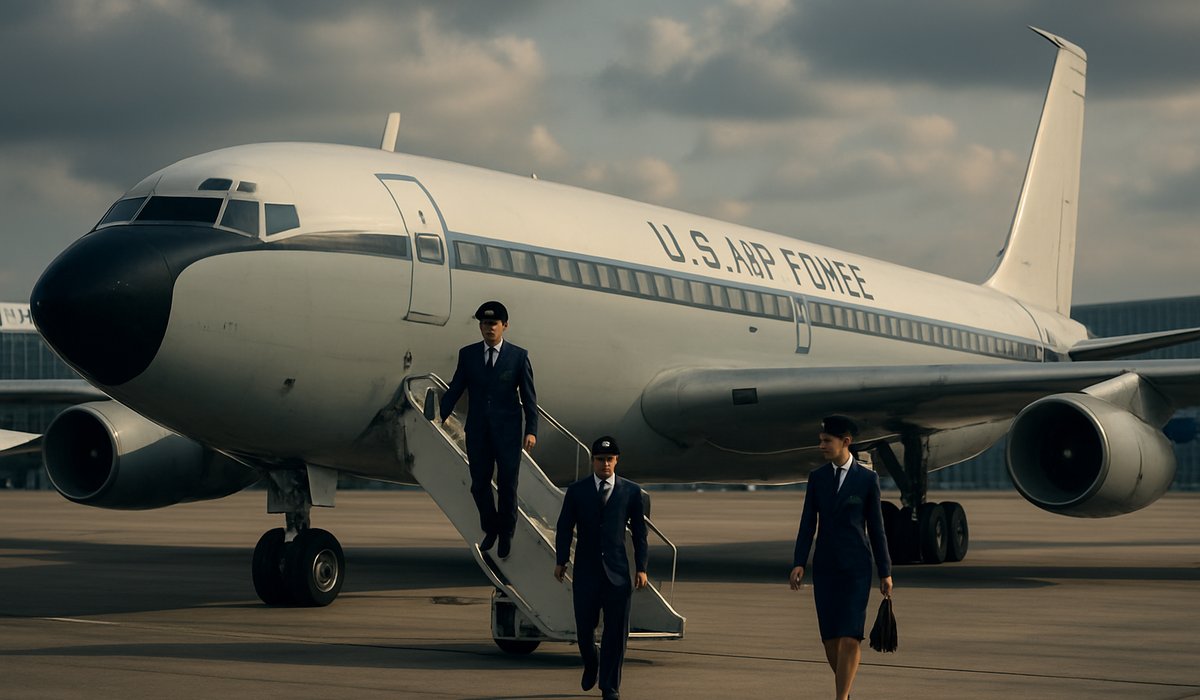
Image generated by AI
US Air Force Keeps Boeing 707 Fleet Operational Into 2026 Despite Aircraft's 70-Year Legacy
Military variants of the iconic jetliner continue critical missions while commercial aviation has moved on—a rare case of Cold War-era technology remaining mission-critical
A Relic of Aviation's Golden Age Still Flying Frontline Missions
The Boeing 707, which revolutionized commercial aviation as the first widely successful jetliner to enter service, remains actively deployed across United States Air Force operations in 2026—more than seven decades after its initial introduction to the world. While the commercial aviation sector retired the aircraft from mainline service years ago, the military has maintained an operational fleet of modified 707 variants that continue to perform essential functions for national defense and strategic operations.
The End of Civilian Service, But Not Military Relevance
Commercial airlines phased out the 707 gradually over three decades, eventually replacing it with more fuel-efficient and technologically advanced aircraft including the 737, 747, and 777 models. The final recorded commercial flight operated by an airline-owned 707 occurred in 2013, when Iran's Saha Airlines retired its last example from revenue service. This milestone marked the effective end of the aircraft's civilian transportation role worldwide.
Why the Military Refuses to Retire an Aging Platform
Despite being designed in an era of analog instrumentation and vacuum tubes, the military variants of the 707 have proven remarkably adaptable and reliable. The Air Force has invested heavily in modernizing avionics, communications systems, and mission-specific equipment aboard these aircraft, effectively transforming 1950s airframes into contemporary military platforms capable of conducting intelligence gathering, reconnaissance, refueling operations, and strategic transport missions.
The decision to maintain the 707 fleet reflects broader challenges within military procurement. Developing, testing, and deploying replacement aircraft requires substantial budgetary commitments and extended timelines. The 707's proven structural integrity, established maintenance protocols, and availability of spare parts—accumulated over decades of operation—make it a pragmatic alternative to accelerating replacement programs that may not be funded or technically ready for full deployment.
Long-Term Implications for Defense Aviation Strategy
The continued reliance on 707-based military platforms underscores the Pentagon's complex relationship with aging defense assets. As the aviation industry transitions toward electric and hybrid-electric propulsion systems for next-generation commercial aircraft, the Air Force operates within different operational parameters where legacy equipment serves validated military requirements until superior alternatives achieve full operational capability and congressional funding approval.
The 707's unexpected longevity in military service demonstrates that technical obsolescence in civilian markets does not necessarily translate to operational obsolescence in specialized defense applications where reliability, established logistics networks, and mission-specific modifications outweigh the appeal of newer platforms.
FAQ: Boeing 707 Military Operations and Aviation Legacy
Q: When did airlines stop flying the Boeing 707 commercially? A: The last commercial airline operation of a Boeing 707 occurred in 2013 with Iran's Saha Airlines, ending approximately three decades of mainline commercial service that began in the 1950s.
Q: Why does the US Air Force still operate Boeing 707s in 2026? A: Military variants have been extensively modernized with updated avionics and mission equipment, and the Air Force considers them operationally reliable for specific strategic functions until replacement programs achieve full deployment capability.
Q: What military missions do Air Force Boeing 707s perform? A: The aircraft variants conduct intelligence and reconnaissance operations, aerial refueling support, and strategic transport missions critical to national defense operations.
Q: How many Boeing 707 military variants remain in active Air Force service? A: Hundreds of modified military variants continue operational deployment across various commands and mission profiles.
Q: Will the US Air Force eventually retire its Boeing 707 fleet? A: Yes, retirement is planned as replacement aircraft programs mature and secure sufficient congressional funding, though timelines remain uncertain given defense procurement complexities.
Related Travel Guides
Flight Delay Compensation Guide 2026
Understanding Airline Route Changes
Airport Security Process Updated (2026)
External Resources
Disclaimer
This article is for informational and educational purposes only. It does not constitute legal, financial, or professional advice. While we strive to provide accurate and up-to-date information, travel policies, regulations, and conditions change rapidly. Always verify information with official sources before making travel decisions. Nomad Lawyer makes no representations about the accuracy, reliability, completeness, or suitability of the information provided. Readers should consult qualified professionals for advice specific to their circumstances. The views expressed in this article are those of the author and do not necessarily reflect the views of Nomad Lawyer.
Raushan Kumar
Founder & Lead Developer
Full-stack developer with 11+ years of experience and a passionate traveller. Raushan built Nomad Lawyer from the ground up with a vision to create the best travel and law experience on the web.
Learn more about our team →