
United Airlines Transforms MileagePlus Into Pay-to-Play Loyalty System, Shifting Away From Traditional Frequent Flyer Model
Breaking airline news and aviation industry updates for 2026.

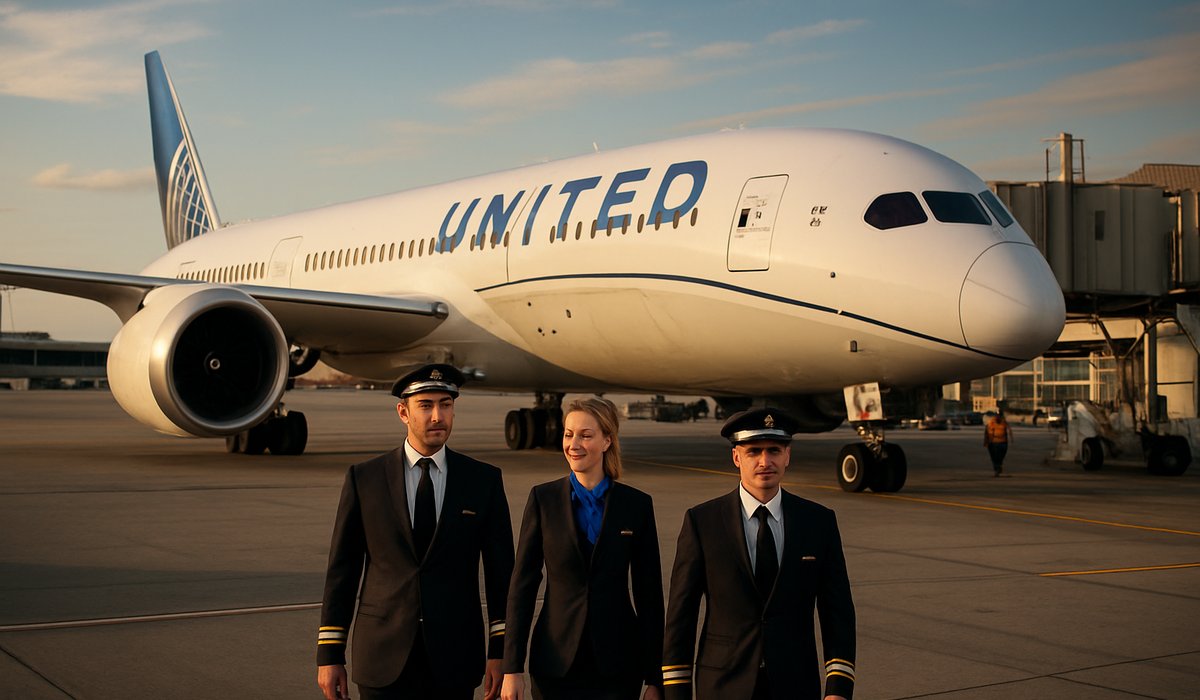
Image generated by AI
United Airlines Transforms MileagePlus Into Pay-to-Play Loyalty System, Shifting Away From Traditional Frequent Flyer Model
Major restructuring of elite rewards program raises concerns about accessibility for budget-conscious travelers
The Fundamental Shift in Airline Loyalty Economics
United Airlines has fundamentally restructured its MileagePlus loyalty program, marking a dramatic departure from the traditional frequent flyer framework that once defined air travel rewards. The carrier's redesigned system now operates as a spend-centric model rather than the classic mileage-accumulation approach, effectively transforming how millions of members earn elite status and access premium benefits.
This transformation reflects a broader industry-wide trend that has reshaped airline loyalty programs over the past decade. What began as straightforward reward mechanics—fly a set number of times, earn complimentary tickets—has evolved into complex, spending-focused systems that prioritize high-value customers and credit card holders over casual travelers.
How the New Structure Works
Under the revamped MileagePlus framework, elite status attainment now hinges substantially on financial expenditure rather than flight frequency alone. Members can accumulate elite tier status through credit card spending, partnership purchases, and airline spending—paths that require no actual travel to earn coveted benefits like lounge access, complimentary upgrades, and priority boarding.
This pay-to-play mechanism represents a significant recalibration of program value. Traditional frequent flyers who accumulated miles purely through ticket purchases now find themselves competing with affluent non-travelers who achieve elite status through cobranded credit card spending and ancillary purchases.
Industry-Wide Implications for Travelers
The shift underscores mounting pressure on airlines to diversify revenue streams beyond base ticket sales. As jet fuel prices fluctuate and operational costs remain elevated, carriers have aggressively monetized loyalty programs through credit card partnerships and spending-based tier advancement.
The restructured MileagePlus follows similar strategic overhauls at competitors, signaling a fundamental realignment in how the aviation industry values customer relationships. Airlines now prioritize wallet share over flight frequency—a distinction with profound consequences for economy-class travelers and price-sensitive consumers.
What This Means for Members
Frequent flyers who previously earned elite status through consistent travel may face steeper advancement requirements. The program now rewards those with higher disposable income and willingness to engage in co-branded credit card relationships, potentially disadvantaging business travelers on limited budgets and leisure passengers.
Industry analysts suggest these changes reflect airlines' strategic pivot toward identifying and nurturing their most profitable customers, rather than incentivizing raw flight volume.
FAQ: Understanding United's Restructured Loyalty Program
Q: Can I earn United elite status without flying? Yes. Under the new system, elite status can be achieved through cobranded credit card spending and partner purchases without boarding a single flight.
Q: How do airline baggage charges factor into loyalty economics? As airlines increase ancillary fees (including baggage charges), elite members often receive waivers, making premium tier status increasingly valuable for frequent travelers.
Q: Is this pay-to-play model industry-standard now? Most major carriers have adopted spend-based loyalty systems. United's restructuring aligns MileagePlus with competitor programs but raises concerns about accessibility for budget-conscious flyers.
Q: How do jet fuel prices impact airline loyalty programs? Rising operational costs pressure airlines to monetize loyalty programs more aggressively, often shifting benefits toward high-spending members rather than frequent flyers.
Q: What's the long-term impact on aviation consumers? The trend potentially creates a two-tiered system favoring wealthy travelers and credit card holders, while reducing benefits for economy passengers and traditional frequent flyers.
Related Travel Guides
Flight Delay Compensation Guide 2026
Understanding Airline Route Changes
Airport Security Process Updated (2026)
External Resources
Disclaimer
This article is for informational and educational purposes only. It does not constitute legal, financial, or professional advice. While we strive to provide accurate and up-to-date information, travel policies, regulations, and conditions change rapidly. Always verify information with official sources before making travel decisions. Nomad Lawyer makes no representations about the accuracy, reliability, completeness, or suitability of the information provided. Readers should consult qualified professionals for advice specific to their circumstances. The views expressed in this article are those of the author and do not necessarily reflect the views of Nomad Lawyer.
Kunal K Choudhary
Co-Founder & Contributor
A passionate traveller and tech enthusiast. Kunal contributes to the vision and growth of Nomad Lawyer, bringing fresh perspectives and driving the community forward.
Learn more about our team →