
United Airlines Signals Sharp Summer Fare Hikes as Jet Fuel Costs Surge Globally
Breaking airline news and aviation industry updates for 2026.

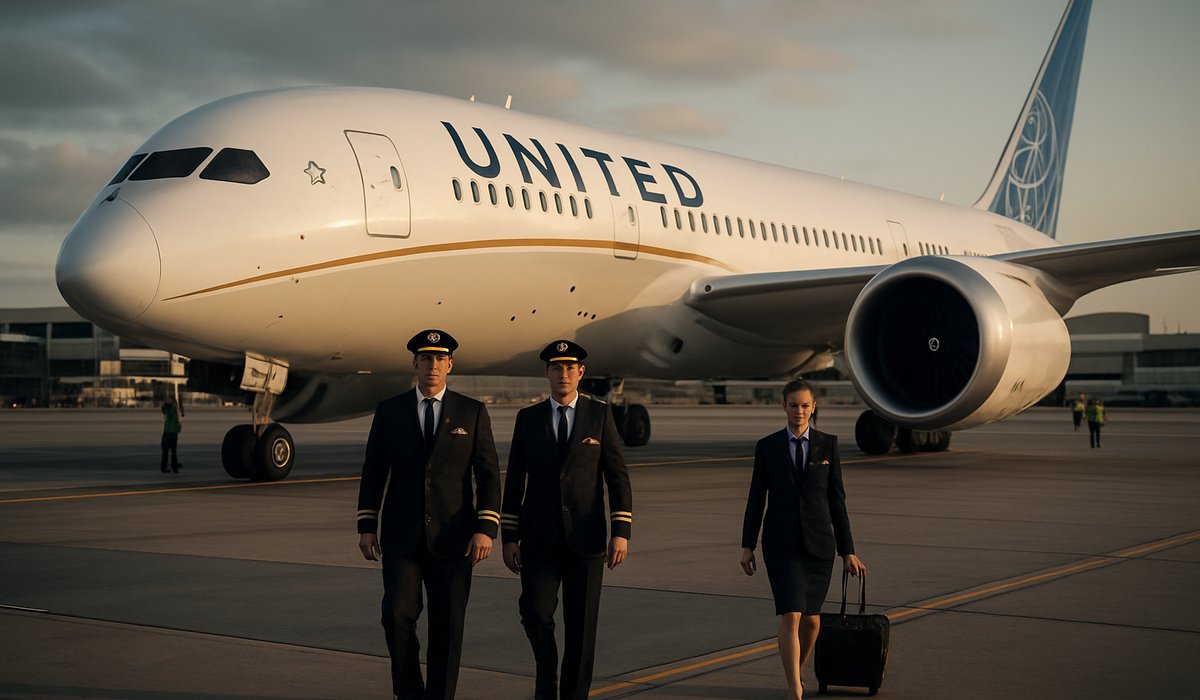
Image generated by AI
United Airlines Signals Sharp Summer Fare Hikes as Jet Fuel Costs Surge Globally
Major carrier warns of 15-20% ticket price increases amid geopolitical oil market disruptions
Rising Fuel Costs Force Pricing Strategy Overhaul
United Airlines is preparing passengers for a significant blow to their summer travel budgets, signaling potential ticket price increases of 15% to 20% across peak season routes. The announcement underscores the aviation industry's mounting struggle with volatile jet fuel markets, where geopolitical tensions and supply chain disruptions are driving unprecedented operating costs.
The carrier's candid warning reflects a broader industry crisis: fuel expenses, which typically account for 20-30% of airline operating budgets, have become the dominant factor forcing carriers to reassess their pricing models. While robust consumer demand for summer travel continues to support booking volumes, airlines argue that fare increases are necessary to protect profit margins against energy market volatility.
The Jet Fuel Crisis Behind the Numbers
The surge in jet fuel prices stems from multiple converging factors. Geopolitical tensions in major oil-producing regions, combined with production disruptions, have created scarcity that pushes benchmark fuel costs higher. Aviation fuel, which trades closely with crude oil prices, has become increasingly unpredictable—forcing carriers to either absorb losses or pass costs directly to consumers.
United's executive team has made clear that maintaining operational profitability during this energy crisis requires aggressive pricing intervention. The 15-20% fare increase would represent one of the largest passenger-facing adjustments in recent years, fundamentally altering summer travel economics for millions of American leisure and business travelers.
Broader Industry Implications and Competitive Dynamics
United's position signals a coordinated industry shift. Competitors including American Airlines, Delta Air Lines, and Southwest Airlines face identical fuel cost pressures, suggesting sector-wide fare increases are likely to follow. This creates a challenging environment where consumers have limited alternatives—most major carriers are pursuing similar revenue protection strategies.
Beyond ticket prices, airlines have simultaneously expanded ancillary fees, including baggage charges, seat selection costs, and change fees. These layered pricing strategies effectively compound the total cost burden on travelers while maintaining headline fares that appear competitive.
The timing is particularly significant. Summer represents peak travel season, when demand is least price-sensitive. Airlines have traditionally maximized revenues during this window, but current fuel costs are pushing that strategy to new extremes.
What's Next for Air Travel Economics
Industry analysts expect continued price volatility throughout the year, with summer peak season likely to see the sharpest increases. Consumer response will be critical—if demand remains strong despite higher fares, other carriers will likely follow United's aggressive pricing. Conversely, significant booking declines could force a recalibration of these strategies.
The broader message is clear: geopolitical oil market instability is fundamentally reshaping aviation economics, and passengers are increasingly bearing that burden through higher fares and additional charges.
FAQ: Understanding Airlines Fees and Fuel Cost Impact
Q: Why are airlines raising fares by 15-20% specifically this summer? A: Jet fuel prices have surged due to geopolitical tensions and oil market disruptions. Airlines claim higher ticket prices are necessary to maintain profit margins as fuel costs consume a larger percentage of operating budgets.
Q: Which airlines are raising prices, or is this just United? A: United's announcement signals sector-wide pressure. Competitors like Delta, American, and Southwest face identical fuel cost challenges and are likely to implement similar fare increases during peak summer travel season.
Q: Beyond ticket prices, what other airline fees should I expect? A: Many carriers simultaneously increase ancillary charges including baggage fees, seat selection costs, checked bag surcharges, and change/cancellation penalties—effectively compounding the total cost of air travel.
Q: How long will these high fares last? A: Pricing depends on jet fuel market stability. If geopolitical tensions ease and oil production normalizes, fuel prices may decline, potentially easing fare pressures. Otherwise, elevated pricing could persist through fall peak season.
Q: Can I lock in lower fares before the increase takes effect? A: Historically, booking early provides modest savings, though airlines have increasingly compressed price variations. During fuel crises, even advance bookings may see dynamic repricing as airlines adjust yields in real-time.
Related Travel Guides
- Boeing 767 Freighter Production Winds Down: Aviation Industry Loses Its Most Efficient Mid-Size Cargo Workhorse
- America's Most Costly Military Aircraft Programs: A Multi-Billion Dollar Reality Check
- Aviation Updates: United Airlines Flight UAL2388 Boeing 737-700 N54711 Diverts from Houston to Washington Dulles Route to Charlotte Douglas International Airport on June 23, 2026 in Precautionary Mid-Flight Operational Decision That Disrupts East Coast Air Travel
Disclaimer
This article is for informational and educational purposes only. It does not constitute legal, financial, or professional advice. While we strive to provide accurate and up-to-date information, travel policies, regulations, and conditions change rapidly. Always verify information with official sources before making travel decisions. Nomad Lawyer makes no representations about the accuracy, reliability, completeness, or suitability of the information provided. Readers should consult qualified professionals for advice specific to their circumstances. The views expressed in this article are those of the author and do not necessarily reflect the views of Nomad Lawyer.
Kunal K Choudhary
Co-Founder & Contributor
A passionate traveller and tech enthusiast. Kunal contributes to the vision and growth of Nomad Lawyer, bringing fresh perspectives and driving the community forward.
Learn more about our team →