Pentagon Slashes F-35 Orders by 50% Amid Software Crisis and Supply Chain Collapse

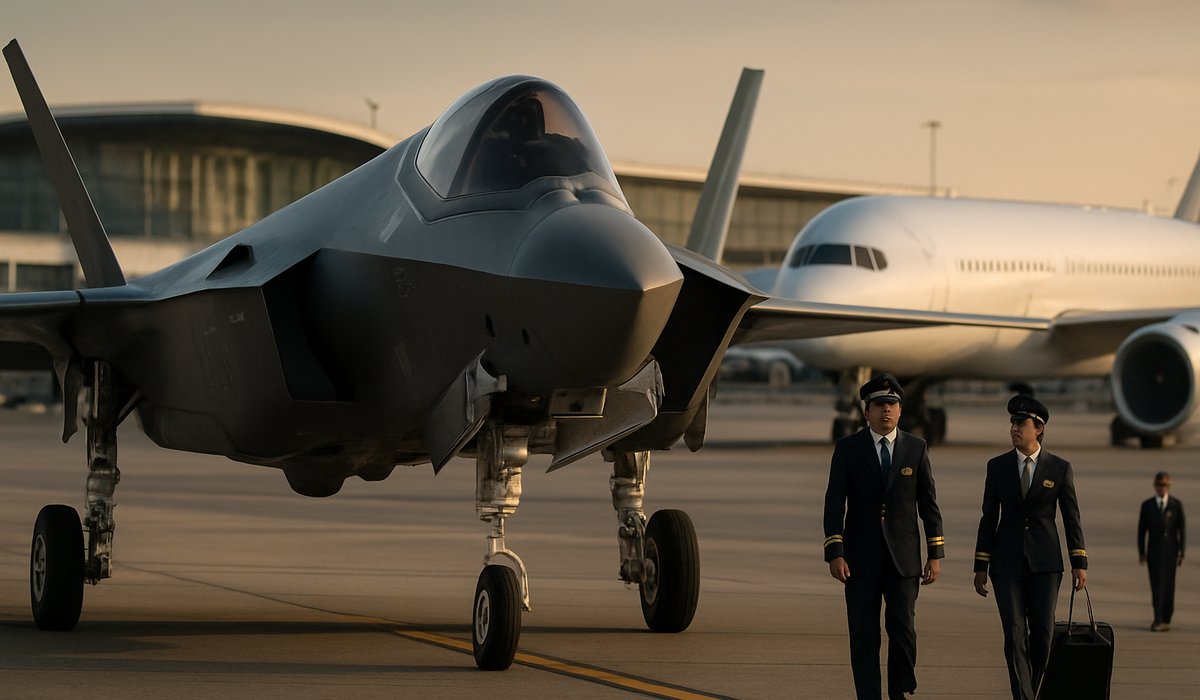
Image generated by AI
Lockheed Martin's flagship fighter jet faces unprecedented scrutiny as critical upgrades prove non-functional and aircraft deliveries lack essential combat systems
Critical Systems Failures Force Major Procurement Pullback
The United States Air Force has dramatically reduced its 2026 F-35 Lightning II fighter jet procurement by approximately half, signaling a watershed moment for one of the defense industry's most ambitious and costly modernization programs. The decision stems from a cascade of technical failures surrounding the Technical Refresh 3 Block Four upgrade initiative, according to a scathing Department of Defense assessment released this week.
The Pentagon's internal report reveals a troubling reality: virtually the entire software package designed to enhance the fifth-generation aircraft's operational capabilities proved inoperable throughout 2025 and failed to deliver any meaningful combat advantages. More alarmingly, defense officials determined that the faulty software actively degraded mission readiness rather than improving it—a significant indictment of Lockheed Martin's development protocols and quality assurance measures.
Supply Chain Disruptions Compound Aircraft Delivery Crisis
The software debacle compounds existing manufacturing challenges that have plagued the F-35 program. Supply chain disruptions have forced the aerospace contractor to deliver newly-built aircraft missing fundamental hardware components, including complete radar sensor systems—equipment essential for the jet's core surveillance and targeting functions.
This represents a critical vulnerability for the Air Force, which has invested over $100 billion in the program. Aircraft arriving without operational sensors cannot perform basic reconnaissance missions, creating a backlog of incomplete inventory requiring extensive post-delivery modifications.
Industry-Wide Implications and Budget Pressures
The procurement reduction carries significant implications for defense spending and the broader military-industrial complex. Defense analysts suggest the decision reflects mounting pressure on Pentagon budgets and growing congressional skepticism about the F-35's development trajectory. The program has endured decades of cost overruns, technical setbacks, and performance delays since its inception.
Lockheed Martin officials have not yet issued a formal statement addressing the procurement cut or outlining remediation strategies. Defense industry observers anticipate the company will announce corrective actions and revised timelines for resolving both software and supply chain complications.
The Air Force procurement decision could establish a precedent for increased oversight of major defense contracts, potentially affecting other advanced weapons programs currently in development phases.
Frequently Asked Questions
What caused the F-35 procurement reduction? The Pentagon's Technical Refresh 3 Block Four software upgrade proved non-functional throughout 2025, providing no combat capabilities while actively degrading existing mission readiness systems.
How many aircraft were cut from the 2026 order? The Air Force reduced its order by approximately 50%, though specific unit numbers have not been officially disclosed.
Why are F-35s being delivered without radar sensors? Supply chain disruptions have prevented Lockheed Martin from obtaining and installing critical hardware components before delivery, forcing the Air Force to complete aircraft at facilities after receipt.
What is the total cost impact of this decision? While exact figures remain undisclosed, analysts estimate the reduction represents hundreds of millions in deferred spending across the defense budget.
Will this affect international F-35 customers? The decision may influence allied nations' procurement schedules and confidence in the program's reliability, though no official announcements have been made.
Related Travel Guides
-
British Airways Airbus A380 Suspended on London-Los Angeles Route for Winter 2026
-
Kimi Antonelli Wins Japanese GP, Becomes F1's Youngest Title Leader
External Resources
This article is for informational purposes. Flight routes, passenger regulations, visa rules, and transit advisories are subject to change by airlines and aviation authorities. Readers are advised to verify schedules and travel documentation with relevant carriers and border agencies before departure.
Related Stories

easyJet Launches Direct Liverpool to Reykjavik Flights: Inside the North West's New Winter Gateway to Iceland

British Airways Revives Long-Haul Meal Pre-Orders on Las Vegas Flights: Inside the World Traveller Plus Dining Trial