
Aircraft Damage Appearances Can Deceive: Why Peeling Paint Isn't Always a Safety Red Flag
Breaking airline news and aviation industry updates for 2026.

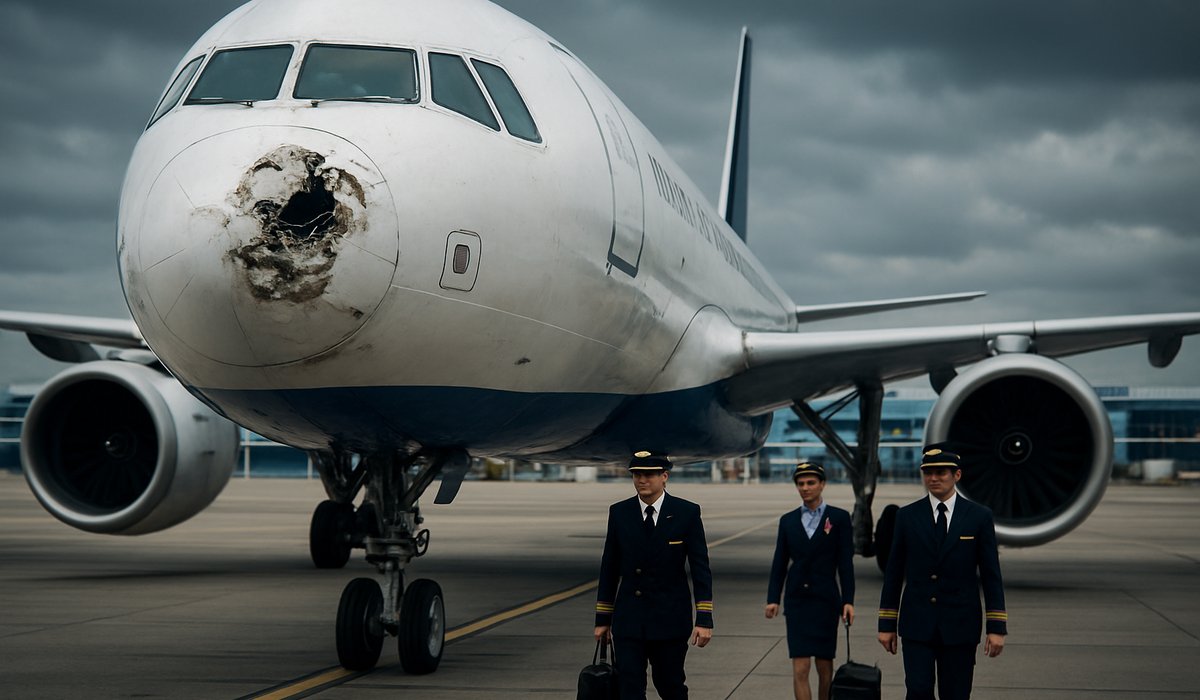
Image generated by AI
Aircraft Damage Appearances Can Deceive: Why Peeling Paint Isn't Always a Safety Red Flag
What looks catastrophically wrong on a plane's exterior often poses minimal risk—but invisible corrosion tells a different story
The Visual Deception Problem
Passengers boarding flights frequently express alarm at visible aircraft damage—peeling paint, chipped coatings, discoloration, and weathered fuselage panels that appear alarming, especially when captured in viral social media posts. Yet aviation safety experts emphasize a critical distinction: cosmetically alarming exterior wear rarely signals structural danger. The true safety indicator lies beneath the surface, where deteriorating protective layers enable corrosion in load-bearing components.
This misconception stems from a fundamental misunderstanding of how aircraft maintenance and safety protocols operate. What passengers perceive as neglect or deterioration is typically classified as cosmetic maintenance rather than airworthiness-critical repair work.
Paint Serves Critical Protective Functions
Aircraft paint operates as far more than decorative covering. It functions as the primary defense mechanism against environmental hazards—moisture infiltration, salt corrosion, chemical exposure, and UV radiation. Modern commercial aircraft depend on multi-layered coating systems to maintain structural integrity across thousands of flight hours.
When paint deteriorates visibly, maintenance personnel prioritize assessment of underlying materials. The key question aeronautical engineers ask is whether protective integrity remains intact beneath the visible damage. Peeling paint itself creates minimal concern if the substrate remains uncompromised and corrosion has not initiated.
What Actually Threatens Aircraft Safety
Invisible threats pose substantially greater risks than dramatic visual damage. Microscopic corrosion developing beneath intact paint coatings—undetectable to passenger observation—can compromise critical structural elements over extended periods. This explains why modern aircraft undergo rigorous non-destructive testing protocols, including eddy current scanning and thermography, to detect subsurface degradation.
Airlines maintain comprehensive maintenance schedules dictated by regulatory authorities such as the FAA and EASA, which mandate inspection intervals based on flight hours and cycles rather than cosmetic appearance. These protocols specifically target structural integrity rather than aesthetic concerns.
The Regulatory Framework
Commercial aircraft cannot operate without current airworthiness certificates. Regulatory agencies require documented evidence that all critical systems and structures meet engineering specifications before each flight. Paint conditions fall beneath this certification threshold, whereas active corrosion or structural fatigue automatically triggers grounding orders.
Airlines operating aging fleets often deprioritize cosmetic repainting in favor of allocating maintenance resources toward high-priority structural inspections and system replacements, a cost-management strategy that reflects industry-wide budget realities without compromising safety standards.
Understanding this distinction between appearance and actual airworthiness can substantially reduce unnecessary passenger anxiety during air travel.
Frequently Asked Questions
Q: Is peeling paint on aircraft a sign the plane is unsafe to fly? A: No. Peeling paint indicates cosmetic wear, not structural compromise. Regulatory agencies require airworthiness inspections focused on underlying structural integrity, not paint condition.
Q: What does the paint on aircraft actually protect against? A: Aircraft paint protects against moisture infiltration, saltwater corrosion, chemical exposure, and UV radiation that could otherwise damage the metal structure and composite materials.
Q: How do airlines determine if hidden aircraft damage is serious? A: Airlines use non-destructive testing methods including eddy current scanning and thermographic imaging to detect corrosion and structural fatigue beneath visible surfaces, guided by strict FAA and EASA maintenance schedules.
Q: Why do some airlines fly planes with visible cosmetic damage? A: Airlines prioritize resources toward safety-critical structural maintenance over cosmetic repainting. Regulatory certification requires structural soundness, not aesthetic perfection.
Q: What's the difference between cosmetic damage and airworthiness-critical damage? A: Cosmetic damage (peeling paint, discoloration) doesn't affect flight safety. Airworthiness-critical damage involves structural degradation, corrosion in load-bearing components, or system failures—conditions that trigger aircraft grounding.
Related Travel Guides
Flight Delay Compensation Guide 2026
Understanding Airline Route Changes
Airport Security Process Updated (2026)
External Resources
Disclaimer
This article is for informational and educational purposes only. It does not constitute legal, financial, or professional advice. While we strive to provide accurate and up-to-date information, travel policies, regulations, and conditions change rapidly. Always verify information with official sources before making travel decisions. Nomad Lawyer makes no representations about the accuracy, reliability, completeness, or suitability of the information provided. Readers should consult qualified professionals for advice specific to their circumstances. The views expressed in this article are those of the author and do not necessarily reflect the views of Nomad Lawyer.
Kunal K Choudhary
Co-Founder & Contributor
A passionate traveller and tech enthusiast. Kunal contributes to the vision and growth of Nomad Lawyer, bringing fresh perspectives and driving the community forward.
Learn more about our team →