
Narrowbody Aircraft Are Reshaping Global Long-Haul Aviation—Here's What It Means for Passengers
Breaking airline news and aviation industry updates for 2026.

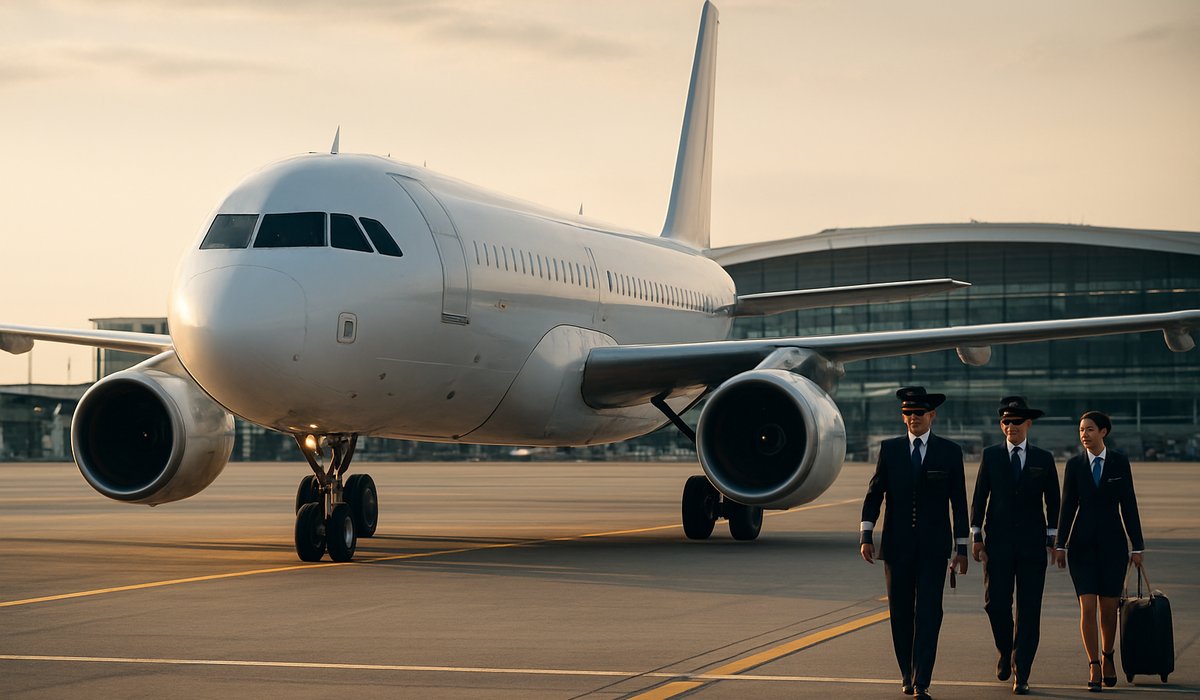
Image generated by AI
Narrowbody Aircraft Are Reshaping Global Long-Haul Aviation—Here's What It Means for Passengers
Airlines deploy single-aisle jets on traditionally widebody routes, transforming industry economics and travel patterns
A Fundamental Shift in Long-Haul Strategy
The aviation industry is experiencing a quiet but consequential transformation. Powered by unprecedented fuel efficiency and extended-range capabilities, modern narrowbody aircraft—particularly the Boeing 737 MAX and Airbus A320neo families—are now operating transatlantic and other long-haul routes that were exclusively the domain of widebody jets just years ago.
This technological leap is fundamentally reshaping how airlines deploy their fleets, manage route profitability, and ultimately structure ticket pricing. Industry analysts say the trend reflects a broader evolution in aviation economics, where operational flexibility and per-seat revenue optimization increasingly outweigh the passenger capacity advantages of traditional widebody aircraft.
Why Narrowbodies Are Winning on Long Routes
Modern narrowbody variants feature significantly improved fuel efficiency, advanced avionics, and extended maximum range capabilities that enable them to complete intercontinental journeys without intermediate stops. The latest 737 MAX and A320neo derivatives can now sustain flights exceeding 5,000 nautical miles—sufficient for transatlantic operations—while consuming substantially less jet fuel per seat than their widebody counterparts.
Airlines are capitalizing on this capability to enter competitive long-haul markets with lower operating costs. Rather than deploying larger widebody aircraft that require sustained demand to achieve profitability, carriers can now deploy nimble narrowbody fleets with greater frequency, generating incremental revenue through market stimulation and schedule flexibility.
Financial Implications for the Industry
The economic advantages are compelling. Narrowbody aircraft require lower crew training costs, smaller maintenance infrastructure, and reduced turnaround time between flights. When fuel prices spike—a persistent concern given geopolitical volatility in energy markets—the efficiency differential becomes particularly acute.
For passengers, this efficiency translates into competitive pricing pressures, though airlines simultaneously employ dynamic baggage charges and ancillary fees to offset compression in base fares. The narrowbody deployment strategy particularly benefits price-sensitive leisure travelers on transatlantic routes, where competition has intensified dramatically.
Implications for Future Aviation
Industry experts suggest this trend will accelerate. As aircraft manufacturers continue refining fuel-efficient engines and lightweight materials, the operational ceiling for narrowbody long-haul operations will expand further. This could gradually reduce widebody aircraft orders, reshape airline alliances and partnerships, and fundamentally alter the competitive landscape on premium international routes.
The shift also reflects changing passenger preferences. Younger travelers increasingly prioritize frequency and schedule flexibility over premium cabin configurations, making narrowbody-operated routes with multiple daily departures increasingly attractive compared to less frequent widebody alternatives.
FAQ: Narrowbody Aircraft on Long-Haul Routes
What are narrowbody aircraft and how do they differ from widebodies? Narrowbody jets feature single-aisle cabins with 150-190 passenger capacity, while widebody aircraft have dual aisles and accommodate 250-400+ passengers. Modern narrowbodies now match widebodies in range capability.
How do jet fuel prices impact narrowbody long-haul deployment? Heightened fuel efficiency in newer narrowbodies makes them economically superior during periods of elevated jet fuel costs, encouraging their deployment on long routes traditionally reserved for larger aircraft.
Will airlines abandon widebody aircraft? Not entirely, but narrowbody long-haul operations will likely capture growing market share, particularly on price-sensitive routes where frequency matters more than cabin size.
How does this affect airline baggage fees and ticket pricing? Lower operating costs from narrowbody deployment enable competitive base fares, though airlines compensate through expanded ancillary revenue streams including baggage charges.
Which airlines are leading this narrowbody long-haul trend? European carriers and select North American operators have been most aggressive, deploying 737 MAX and A320neo variants on transatlantic and Mediterranean routes.
Related Travel Guides
Flight Delay Compensation Guide 2026
Understanding Airline Route Changes
Airport Security Process Updated (2026)
External Resources
Disclaimer
This article is for informational and educational purposes only. It does not constitute legal, financial, or professional advice. While we strive to provide accurate and up-to-date information, travel policies, regulations, and conditions change rapidly. Always verify information with official sources before making travel decisions. Nomad Lawyer makes no representations about the accuracy, reliability, completeness, or suitability of the information provided. Readers should consult qualified professionals for advice specific to their circumstances. The views expressed in this article are those of the author and do not necessarily reflect the views of Nomad Lawyer.
Raushan Kumar
Founder & Lead Developer
Full-stack developer with 11+ years of experience and a passionate traveller. Raushan built Nomad Lawyer from the ground up with a vision to create the best travel and law experience on the web.
Learn more about our team →