
Airbus A350 Reshapes Ultra-Long-Haul Aviation as Airlines Discover Untapped Profitability in Extended Routes
Breaking airline news and aviation industry updates for 2026.

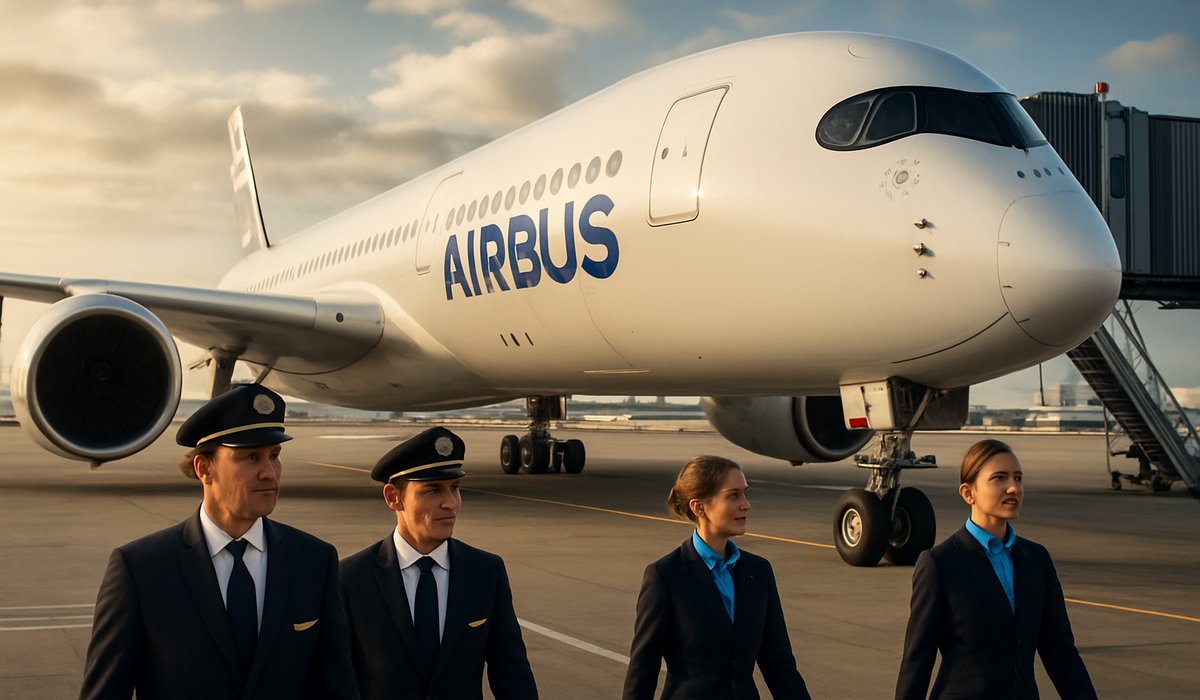
Image generated by AI
Airbus A350 Reshapes Ultra-Long-Haul Aviation as Airlines Discover Untapped Profitability in Extended Routes
The wide-body aircraft is transforming traditionally niche markets into sustainable, high-margin operations—signaling a fundamental shift in global route planning
A Market Transformation Unfolds
The aviation industry is witnessing a decisive shift in how airlines approach the most ambitious flight routes. The Airbus A350, with its exceptional range capabilities and superior operational efficiency, is rapidly becoming the aircraft of choice for extended ultra-long-haul services that were once limited to a select handful of premium international corridors.
What distinguishes this development from previous technological advances is the aircraft's ability to combine extraordinary distance capacity with the financial viability airlines desperately need on missions exceeding 16 hours. For carriers worldwide, this represents a genuine business opportunity—not merely a technical achievement.
Superior Economics Meet Ambitious Range
The A350's appeal transcends raw distance metrics. Airlines operating the wide-body aircraft report significantly improved fuel consumption compared to earlier-generation competitors, translating directly to reduced operating costs on routes where fuel expense dominates profitability calculations. The aircraft's modern engines and aerodynamic design deliver measurable advantages in per-seat economics, allowing carriers to offer competitive pricing while maintaining healthy margins.
Beyond fuel efficiency, the A350 delivers the passenger comfort standards now expected on extended journeys. Enhanced cabin pressure, superior humidity control, and advanced interior configurations help reduce fatigue-related issues during marathon flights—critical factors when passenger retention and brand loyalty are at stake.
Expanding the Route Network
The combination of these operational strengths has fundamentally altered route planning strategy across the global aviation sector. Airlines can now justify launching ultra-long-haul services to secondary city pairs that previously lacked sufficient demand to justify dedicated flight operations. This geographic expansion opens entirely new revenue streams while enhancing connectivity for underserved markets.
The A350's reliability record has proven essential for routes where maintenance turnaround times directly impact scheduling predictability and profitability. Extended periods between major service checks reduce costly downtime at hub airports.
Industry-Wide Implications
This evolution signals a broader restructuring of international air transport. As fuel price volatility continues to impact carrier profitability and climate considerations influence fleet investment decisions, the A350's efficiency gains carry strategic weight beyond individual route economics. Airlines increasingly recognize that ultra-long-haul operations—once relegated to flagship routes commanding premium fares—can function as sustainable, repeatable business units when deployed with appropriate aircraft.
The competitive pressure is mounting for operators still relying on aging wide-body fleets, with aircraft orders for the A350 reflecting industry confidence in the model's staying power across aviation markets.
FAQ: Understanding the A350's Role in Modern Aviation
Why is the Airbus A350 preferred for ultra-long-haul routes? The aircraft combines exceptional range capability (exceeding 16 hours), superior fuel efficiency, advanced passenger comfort features, and reliable maintenance intervals—essential for economically sustainable extended flights.
How does the A350's fuel efficiency impact airline economics? Reduced fuel consumption directly lowers per-seat operating costs, allowing airlines to maintain profitability on lengthy routes while remaining price-competitive with competitors using older aircraft.
What routes are newly viable with A350 deployment? Secondary city pairs and regional connections previously uneconomical for extended operations now support dedicated service, expanding global connectivity beyond traditional hub-to-hub networks.
How does ultra-long-haul expansion affect ticket prices? Improved operational economics enable more competitive fares, though market demand and route competition ultimately determine pricing on specific corridors.
What competitive advantage do airlines gain from A350 fleets? Operators benefit from superior reliability, reduced maintenance disruptions, stronger brand positioning through enhanced comfort, and access to previously unprofitable route opportunities.
Related Travel Guides
Disclaimer
This article is for informational and educational purposes only. It does not constitute legal, financial, or professional advice. While we strive to provide accurate and up-to-date information, travel policies, regulations, and conditions change rapidly. Always verify information with official sources before making travel decisions. Nomad Lawyer makes no representations about the accuracy, reliability, completeness, or suitability of the information provided. Readers should consult qualified professionals for advice specific to their circumstances. The views expressed in this article are those of the author and do not necessarily reflect the views of Nomad Lawyer.
Preeti Gunjan
Contributor & Community Manager
A passionate traveller and community builder. Preeti helps grow the Nomad Lawyer community, fostering engagement and bringing the reader experience to life.
Learn more about our team →