
Boeing's Legendary Cargo Aircraft Exits Production: What It Means for Global Logistics
Breaking airline news and aviation industry updates for 2026.

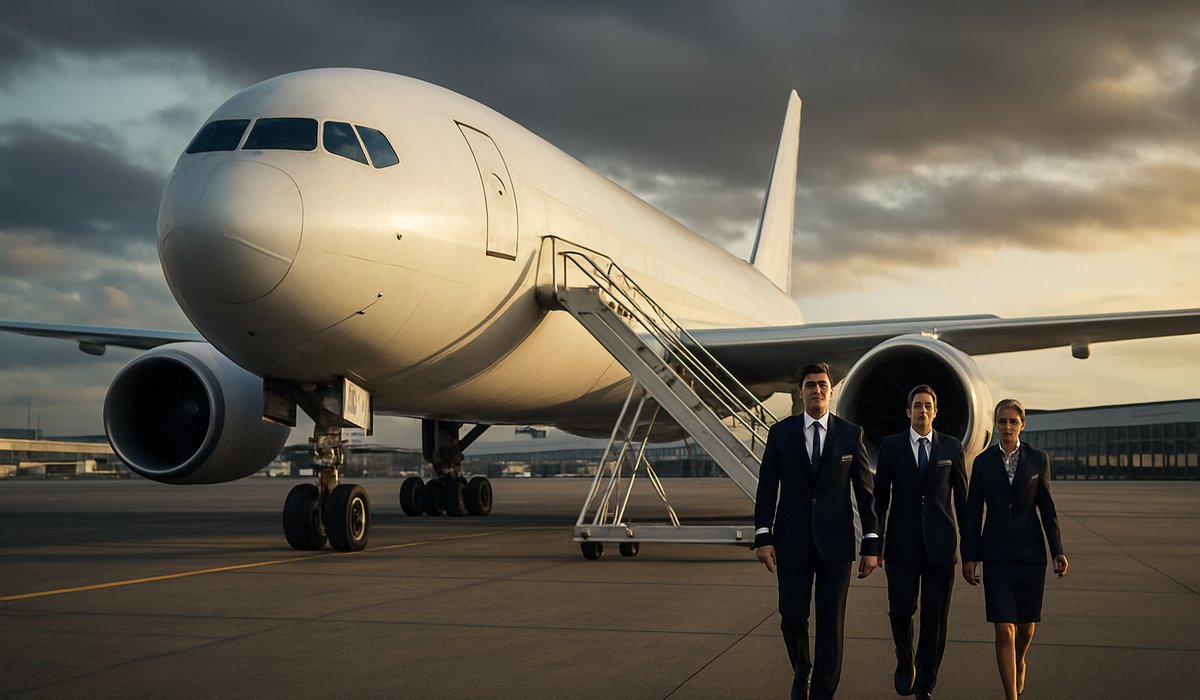
Image generated by AI
Boeing's Legendary Cargo Aircraft Exits Production: What It Means for Global Logistics
The retirement of a workhorse freighter marks a turning point in aviation's supply chain strategy
The End of an Era for Air Freight Operations
Boeing has officially ceased production of one of commercial aviation's most iconic cargo aircraft, signaling a fundamental shift in how the world's freight airlines will operate their fleets. The move represents a watershed moment for the aviation logistics industry, which has relied heavily on this particular model to transport goods across intercontinental routes.
The aircraft in question has been instrumental in shaping modern air cargo operations since its introduction, serving as the backbone of major freight carriers' long-haul capabilities. Its retirement from the production line comes as airlines increasingly turn toward newer, more fuel-efficient alternatives to manage climbing jet fuel prices and operational costs.
A Century of Aircraft Innovation
Since its establishment in 1916, Boeing has consistently defined the boundaries of commercial aviation. The manufacturer revolutionized long-distance travel with the Boeing 707, which catalyzed the transition from propeller-driven aircraft to jet-powered commercial flight during the 1950s. This innovation established Boeing's dominance in an industry that would eventually transform global trade and commerce.
Today, Boeing's product portfolio encompasses the widely-adopted Boeing 737 narrowbody series—the most successful commercial aircraft family in history—alongside widebody giants like the 777 and 787 Dreamliner. These aircraft have fundamentally reshaped passenger and cargo operations worldwide.
Industry Implications for Freight and Logistics
The discontinuation of this cargo-focused model carries significant implications for aviation's supply chain sector. Airlines and logistics operators now face critical decisions regarding fleet modernization, particularly as fuel surcharges and operational expenses continue climbing amid volatile energy markets and geopolitical tensions affecting crude oil supplies.
Carriers specializing in air freight transport must now transition to alternative platforms or accelerate investment in converted passenger aircraft. This transition period could influence shipping costs, delivery timelines, and ultimately affect global trade networks that depend on rapid air transportation.
The Broader Aviation Landscape
Boeing's decision underscores broader industry trends toward consolidation and specialization. As manufacturers retire legacy models, carriers must adapt their business strategies—potentially adjusting airline fees, baggage charges on converted freighters, and pricing structures to absorb higher operational costs.
The retirement also reflects environmental pressures and regulatory demands for reduced carbon emissions, pushing operators toward newer aircraft with superior fuel efficiency metrics.
FAQ: Key Questions About Cargo Aircraft Production and Aviation Supply Chains
Q: How will the end of this cargo aircraft's production affect shipping costs? A: Airlines may experience increased operational expenses as they transition to alternative freighter models or converted passenger aircraft, potentially leading to higher surcharges on air freight services.
Q: What aircraft alternatives exist for cargo airlines? A: Carriers can convert retired widebody passenger jets, lease competing freighter models, or invest in next-generation cargo aircraft from alternative manufacturers.
Q: How do jet fuel prices impact this transition? A: Rising fuel costs make newer, more efficient aircraft more economically attractive, accelerating airlines' decisions to retire older production models.
Q: Why are cargo aircraft experiencing production changes? A: Environmental regulations, fuel efficiency demands, and evolving logistics strategies are pushing manufacturers and operators toward modern alternatives.
Q: When did this aircraft model stop being produced? A: Boeing has officially concluded manufacturing operations, with final deliveries representing the end of the production run for this legendary freighter.
Related Travel Guides
Flight Delay Compensation Guide 2026
Understanding Airline Route Changes
Airport Security Process Updated (2026)
External Resources
Disclaimer
This article is for informational and educational purposes only. It does not constitute legal, financial, or professional advice. While we strive to provide accurate and up-to-date information, travel policies, regulations, and conditions change rapidly. Always verify information with official sources before making travel decisions. Nomad Lawyer makes no representations about the accuracy, reliability, completeness, or suitability of the information provided. Readers should consult qualified professionals for advice specific to their circumstances. The views expressed in this article are those of the author and do not necessarily reflect the views of Nomad Lawyer.
Raushan Kumar
Founder & Lead Developer
Full-stack developer with 11+ years of experience and a passionate traveller. Raushan built Nomad Lawyer from the ground up with a vision to create the best travel and law experience on the web.
Learn more about our team →