
Airlines Cannibalizing Nearly New Airbus A321neo Jets for Spare Parts Amid Industry Disruption
Breaking airline news and aviation industry updates for 2026.

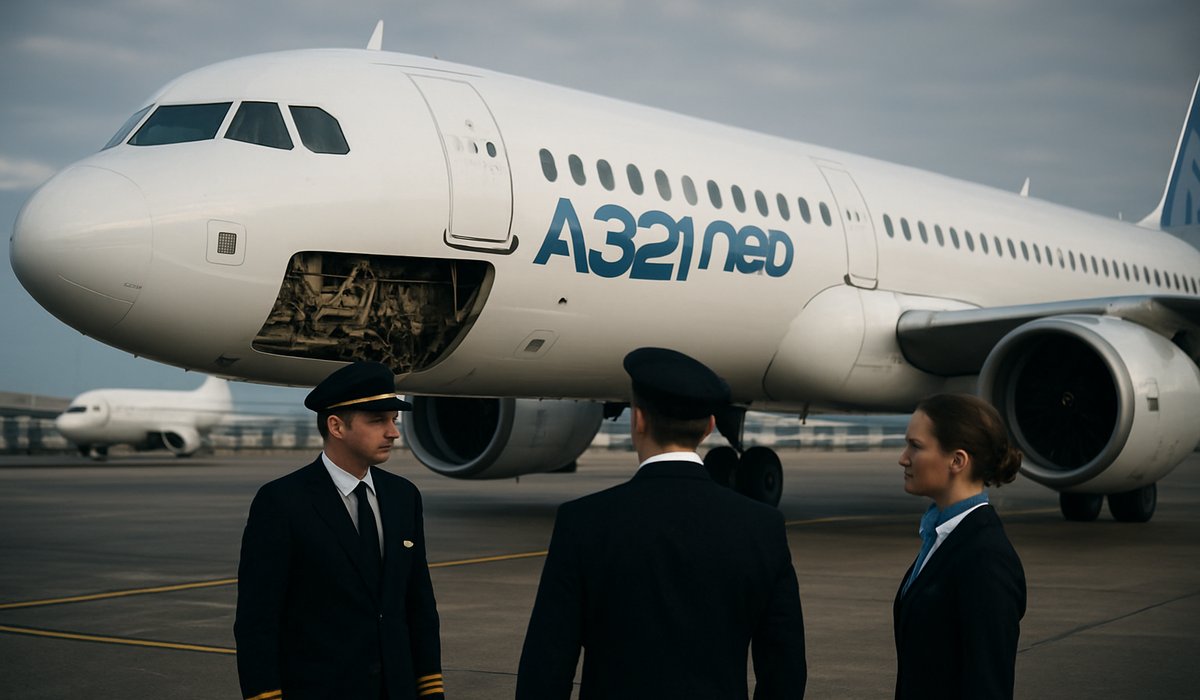
Image generated by AI
Airlines Cannibalizing Nearly New Airbus A321neo Jets for Spare Parts Amid Industry Disruption
As supply chain chaos and aircraft groundings surge, carriers resort to dismantling fuel-efficient narrowbodies to sustain aging fleets
The Unexpected Fate of Next-Generation Aircraft
The aviation industry is confronting a counterintuitive crisis: airlines are systematically dismantling relatively modern Airbus A321neo aircraft for component parts rather than operating them as intended. The fuel-efficient narrowbody, engineered as one of the most economically viable jets on the market, is instead being stripped down in hangers worldwide—a stark indicator of deepening structural problems within global aviation.
The A321neo was specifically designed to represent the future of short to medium-haul operations. With its advanced aerodynamic features and contemporary power plants, the aircraft promised operators significantly reduced fuel expenditure, lower emissions compliance costs, and extended revenue-generating potential spanning decades. Yet aircraft that should still be in their earliest productive years are instead being systematically dismantled, their components harvested to keep older, less efficient fleets airborne.
Supply Chain Breakdown Drives Desperate Measures
This unprecedented trend reflects a perfect storm converging on the aviation sector. Engine production delays, parts shortages stemming from geopolitical disruptions, and extended aircraft groundings have created severe component scarcity. Rather than investing in new aircraft deliveries or waiting for OEM supply chains to normalize, airlines and leasing companies have identified a troubling economic incentive: harvesting parts from newer but temporarily surplus airframes generates immediate operational solutions at lower cost than alternatives.
The decision reveals the financial pressures reshaping carrier strategies. With jet fuel prices remaining volatile and aircraft lease rates elevated, many operators face tough choices between fleet modernization and operational survival. Some carriers cannot absorb the financial burden of maintaining multiple aircraft types while waiting for supply chain normalization.
Broader Industry Implications
This pattern signals dysfunction extending far beyond individual aircraft decisions. It suggests that supply-side disruptions are so severe that even possessing modern, efficient assets cannot guarantee their operation. The long-term consequences could reshape aircraft fleet strategies, depreciation models, and lessors' asset valuations across the industry.
For manufacturers and lessors, the trend creates additional pressure. Aircraft that should generate decades of revenue through productive operation instead face early retirement and dismantling—a scenario that undermines the financial models supporting aircraft development and leasing portfolios.
The A321neo's predicament underscores a critical reality: even engineering excellence and operational efficiency cannot shield aircraft from industry-wide disruptions when supply chains fracture and demand patterns shift dramatically.
FAQ: Understanding Aircraft Cannibalization and Aviation Supply Issues
Why are airlines dismantling new aircraft instead of flying them? Severe spare parts shortages, engine production delays, and component scarcity have made it economically attractive for some carriers to harvest parts from newer, surplus aircraft rather than waiting for manufacturer deliveries or paying premium prices for components.
How do aircraft supply shortages affect airline fees and ticket prices? Parts scarcity reduces operational efficiency, increasing maintenance costs and jet fuel expenses—pressures typically passed to consumers through baggage charges, fuel surcharges, and higher ticket prices across the industry.
What impact does this have on aviation's sustainability goals? Cannibalizing fuel-efficient aircraft like the A321neo to operate older, less efficient jets contradicts environmental commitments and increases overall sector emissions while delaying fleet modernization.
How long will aviation supply chain disruptions continue? Industry experts predict normalization will extend through 2024-2025, though geopolitical tensions and manufacturing constraints may prolong shortages in specific engine and component categories.
Are other aircraft types facing similar dismantling pressures? Yes, though the A321neo's relatively recent introduction makes this trend particularly notable. Other modern narrowbodies from both Airbus and Boeing manufacturing programs face comparable pressures.
Related Travel Guides
-
IndiGo Suspends Six Asian Routes Through September 2026 as Fuel Costs Crush Indian Aviation
-
Travellers left stranded: Nashville airport disruptions expose US airline capacity crisis
-
United Airlines Launches Budget Polaris Business Class Tier, Reshaping Premium Air Travel in 2024
External Resources
Disclaimer
This article is for informational and educational purposes only. It does not constitute legal, financial, or professional advice. While we strive to provide accurate and up-to-date information, travel policies, regulations, and conditions change rapidly. Always verify information with official sources before making travel decisions. Nomad Lawyer makes no representations about the accuracy, reliability, completeness, or suitability of the information provided. Readers should consult qualified professionals for advice specific to their circumstances. The views expressed in this article are those of the author and do not necessarily reflect the views of Nomad Lawyer.
Kunal K Choudhary
Co-Founder & Contributor
A passionate traveller and tech enthusiast. Kunal contributes to the vision and growth of Nomad Lawyer, bringing fresh perspectives and driving the community forward.
Learn more about our team →