
Southwest, United, Delta, and Hawaiian Airlines Confront Hawaii Overtourism and Infrastructure Pressures Amid $200 Oil Shock and Strait of Hormuz Blockade: How US-Iran Conflict Volatility Accelerates Transition to Premium Sustainable Tourism Models
As the $200 oil crisis and Strait of Hormuz blockade pressure global airline margins, Southwest, United, Delta, and Hawaiian Airlines push for premium, sustainable tourism reforms in Hawaii.

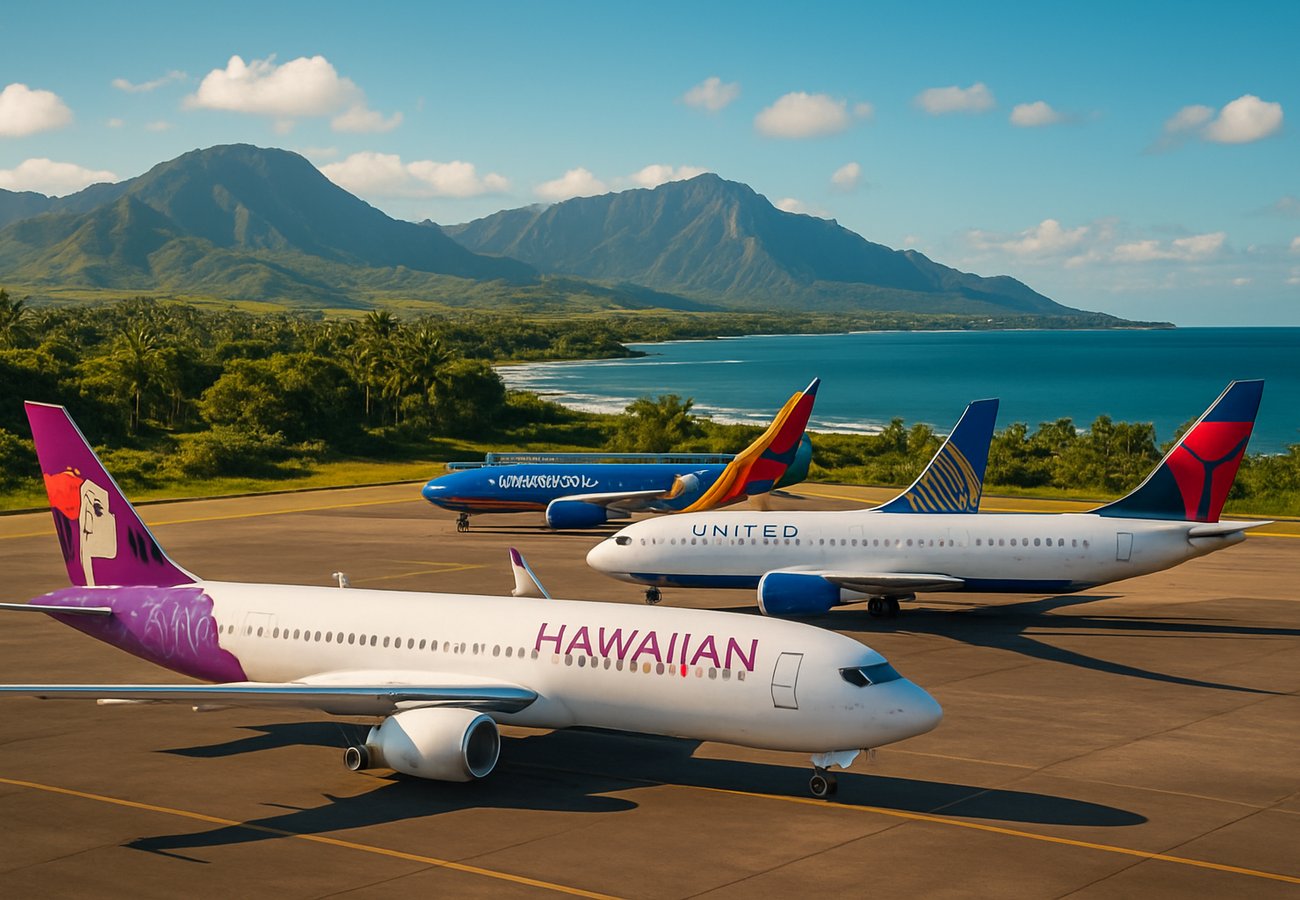
Image generated by AI
The Pacific travel and aviation sectors are executing a major strategic pivot. Confronted by an unprecedented $200 per barrel oil shock and the military blockade of the Strait of Hormuz, global airlines and hospitality brands are prioritizing high-yield premium travel and sustainable tourism development to bypass volatile fuel costs and manage rising visitor pressures.
In an urgent industry movement, aviation and hospitality giants—including Southwest Airlines, United Airlines, Delta Air Lines, Hawaiian Airlines, Expedia, and Marriott International—have joined local tourism leaders at the Travel Weekly Hawaii Leadership Forum to confront Hawaii’s growing overtourism, infrastructure strain, and environmental sustainability challenges. As the escalating US-Iran conflict drives jet fuel costs to historic heights and places immense pressure on long-haul airline operating margins, industry stakeholders are warning that the islands can no longer rely on volume-based mass tourism. Instead, the focus is shifting toward attracting high-value, longer-staying travelers who support responsible, culturally respectful visitor experiences. While major Gulf states like Saudi Arabia, the United Arab Emirates (UAE), and Qatar work to protect Middle Eastern energy corridors, Hawaii is pioneering a highly resilient tourism blueprint that balances economic dependence on travel with environmental preservation and community stability.
Expanded Overview: Pacific Long-Haul Travel Defies Severe Energy Squeezes
The ongoing global energy crisis has forced a complete reorganization of international trade and travel logistics. The naval blockade of the Strait of Hormuz—the world’s most critical maritime oil corridor, handling roughly 20% of global petroleum transit—has taken millions of barrels of crude off the market, sending fuel prices soaring.
For the international aviation and shipping sectors, this fuel crisis has made long-haul, fuel-intensive Pacific routes extremely expensive to operate. To maintain operational viability, airlines and hotel operators must prioritize premium, high-value travel experiences over volume-based mass tourist arrivals. Overtourism has placed immense pressure on Hawaii’s beaches, roads, airports, hotels, and local communities, leading to traffic congestion, environmental degradation, and community frustration. By transitioning from high-volume mass travel to premium, sustainable tourism, carriers and hospitality brands can optimize passenger loads, offset skyrocketing jet fuel costs, and minimize environmental strain on Hawaii's delicate ecosystems.
Geopolitical Context: Persian Gulf Volatility and the Shift to Premium Domestic Corridors
The military standoff between the United States and Iran in the Persian Gulf has disrupted major trade corridors and airspace, keeping global energy markets highly volatile.
This conflict has directly impacted major Middle Eastern oil producers—including Saudi Arabia, the UAE, Qatar, Kuwait, Oman, and Bahrain—who are working hard to protect their energy supply lines and secure alternative shipping channels. In this climate of high volatility, airlines are prioritizing stable, high-yield domestic leisure markets. Hawaii remains a premier global destination, but unmanaged tourism growth threatens its competitive edge. By collaborating with local authorities, major travel brands are implementing strategic visitor management policies to protect natural assets and improve resident-tourism relations during a major global transport crisis.
Global Energy Impact: Squeezed Airlines and the Sustainable Travel Strategy
With oil prices firmly established at $200 per barrel, airlines are under intense pressure to optimize their operations. Jet fuel costs have forced carriers to raise airfares, making efficient routing and advanced fleet design essential for business survival.
| Service Element / Metric | Current Industry Focus | Primary Hub Target | Core Strategic Impact |
|---|---|---|---|
| Visitor Arrivals | Managing sustainable visitor growth | Local Hawaiian Islands | Reduces pressure on beaches and infrastructure. |
| Aviation Sector | Balancing air travel demand | Major Hawaii Airports | High-load factor flights offset $200/bbl oil. |
| Hospitality Industry | Premium & high-value travel | Marriott & Luxury Resorts | Increases tourism revenue with controlled visitor flow. |
| Sustainable Tourism | Responsible & eco-tourism campaigns | Cultural Preservation | Protects natural tourism assets for future years. |
| Resident Balance | Community engagement & local support | Island Municipalities | Strengthens resident-tourism balance. |
By promoting longer stays and responsible travel behavior, Hawaii's aviation and hospitality leaders are working together to improve accessibility, ensuring stable and competitive connections despite high global energy costs.
Shipping & Trade Impact: Capacity Bottlenecks and Local Resource Sourcing
The ongoing Strait of Hormuz blockade has forced cargo fleets to bypass the Suez Canal and route around Africa’s Cape of Good Hope, sending maritime insurance rates soaring by over 500% and delaying global shipments of luxury resort supplies.
For the Hawaiian tourism and hospitality sectors, these maritime supply chain delays have made regional, localized sourcing essential for project delivery and hotel operations. By shifting away from imported luxury goods and embracing local agriculture, cultural craftsmanship, and regional logistics, Hawaii’s hotel operators are reducing their carbon footprint and insulating their supply chains from global maritime disruptions, while creating a more authentic, community-centric guest experience.
Regional Impact: Strategic Connectivity and Tourism Reform
The successful coordination of Hawaii's adjusted travel strategy has received strong support from local tourism boards, corporate executives, and environmental organizations:
- Promoting Cultural Respect: Educating visitors on Hawaiian cultural heritage and local customs to encourage responsible traveler behavior.
- Preserving Coastal Ecosystems: Limiting overcrowding at high-traffic destinations to protect fragile beaches, reefs, and state parks.
- Improving Transportation Infrastructure: Enhancing airport facilities, public transit options, and rental car logistics to manage congestion.
- Strengthening Local Communities: Ensuring that local residents benefit directly from tourism spending and feel supported by hospitality policies.
Shifting Focus: High-Value Travel vs. Volume Growth
Aviation and hospitality executives emphasize that Hawaii can no longer rely solely on record visitor numbers to sustain its economic growth:
- Attracting Eco-Conscious Travelers: Prioritizing marketing campaigns toward eco-tourism, cultural immersion, and wellness-focused vacations.
- Encouraging Longer Stays: Encouraging travelers to book longer, high-value visits rather than quick, short-term stopovers, which reduces transit fuel consumption per visitor day.
- Optimizing Airline Capacity: Coordinating flight frequencies and using modern, fuel-efficient aircraft to balance passenger demand with sustainability goals.
- Securing Premium Bookings: Investing in high-end luxury resort renovations and customized concierge services to capture high-spending travelers.
Industry Analysis: A Masterclass in Destination Stewardship
Pacific travel and economic analysts emphasize that Hawaii's sustainable tourism strategy is a masterclass in destination stewardship during a global energy crisis.
By actively leveraging premium travel experiences, promoting eco-tourism, managing visitor behavior, and targeting cost-conscious leisure and business travel, Southwest, United, Delta, and Marriott have successfully insulated their operations from the economic pressures of high fuel surcharges, ensuring steady growth and high traveler satisfaction.
What Happens Next: Future Scenarios and Tourism Outlook
- Prolonged Energy Crises: If Middle Eastern tensions remain high and oil prices stay at $200/bbl, the travel industry will continue to favor premium, high-value, direct-routing models. Hawaii's focus on sustainable tourism and long-stay visitor demographics is expected to see sustained growth well into 2027.
- Diplomatic De-escalation: If international diplomatic efforts successfully resolve the US-Iran conflict and stabilize global fuel prices, the fuel-efficient fleets and sustainable destination policies established during this crisis will continue to provide Hawaii with a major competitive advantage.
Conclusion
Hawaii's transition to a sustainable, premium tourism model represents a major milestone for global destination management. As the Strait of Hormuz blockade and $200 oil prices continue to disrupt traditional travel economics, the state has shown that investing in environmental preservation and high-value visitor experiences is the ultimate defense against global economic volatility. By expanding regional co-working spaces, upgrading key longevity wellness services, and focusing on residential-style comfort, Hawaii is successfully redefining the future of international travel, proving that adaptability, efficiency, and strategic design are the ultimate keys to economic resilience.
Key Takeaways
- Hawaii Tourism Reform: Major travel brands join forces at the Hawaii Leadership Forum to address overtourism, visitor pressure, and sustainability.
- Volume to Value Shift: The state is shifting its strategy from volume-based growth (record visitor numbers) to high-value, premium travel experiences.
- Aviation Collaboration: Southwest, United, Delta, and Hawaiian Airlines work to balance flight capacity with environmental responsibility.
- Local Community Focus: Industry leaders prioritize beach preservation, infrastructure upgrades, and local community engagement to reduce overcrowding.
- Eco-Tourism Integration: Travel platforms like Expedia and Marriott promote culturally respectful and environmentally conscious visitor behavior.
FAQ: Hawaii Overtourism & Geopolitical Volatility 2026
What was the focus of the Travel Weekly Hawaii Leadership Forum? The forum served as a critical platform for airlines, hospitality groups, and tourism leaders to discuss overtourism, visitor management, and sustainable travel strategies.
Why is Hawaii shifting away from volume-based tourism? Overtourism has placed immense strain on local infrastructure, beaches, and communities, making premium, high-value travel essential for long-term sustainability.
How does the global energy crisis affect Hawaii flight schedules? With oil prices at $200/bbl, airlines are consolidating flights and using fuel-efficient widebody fleets to offset high jet fuel costs.
Related Travel Guides
- Allegiant, Southwest, and Breeze Expand Alabama Gulf Coast Networks: Low-Cost Carriers Alabama Beaches
- Lucien Barrière Group Debuts Roswyn Mumbai Airport Luxury Extended-Stay Suites: Roswyn Mumbai Airport
- The Ultimate Backpacker's and Luxury Traveler's Guide to Hawaii and Sustainable Tourism: Hawaii Sustainable Travel Guide
Disclaimer
This article is for informational and educational purposes only. It does not constitute legal, financial, or professional advice. While we strive to provide accurate and up-to-date information, travel policies, regulations, and conditions change rapidly. Always verify information with official sources before making travel decisions. Nomad Lawyer makes no representations about the accuracy, reliability, completeness, or suitability of the information provided. Readers should consult qualified professionals for advice specific to their circumstances. The views expressed in this article are those of the author and do not necessarily reflect the views of Nomad Lawyer.
Kunal K Choudhary
Co-Founder & Contributor
A passionate traveller and tech enthusiast. Kunal contributes to the vision and growth of Nomad Lawyer, bringing fresh perspectives and driving the community forward.
Learn more about our team →