
What the POGO Shutdown Means for Philippine Tourism
The offshore gaming ban reshaped Metro Manila's property and hospitality market. Learn what travelers should expect in the Bay Area, Pasay, and Parañaque.

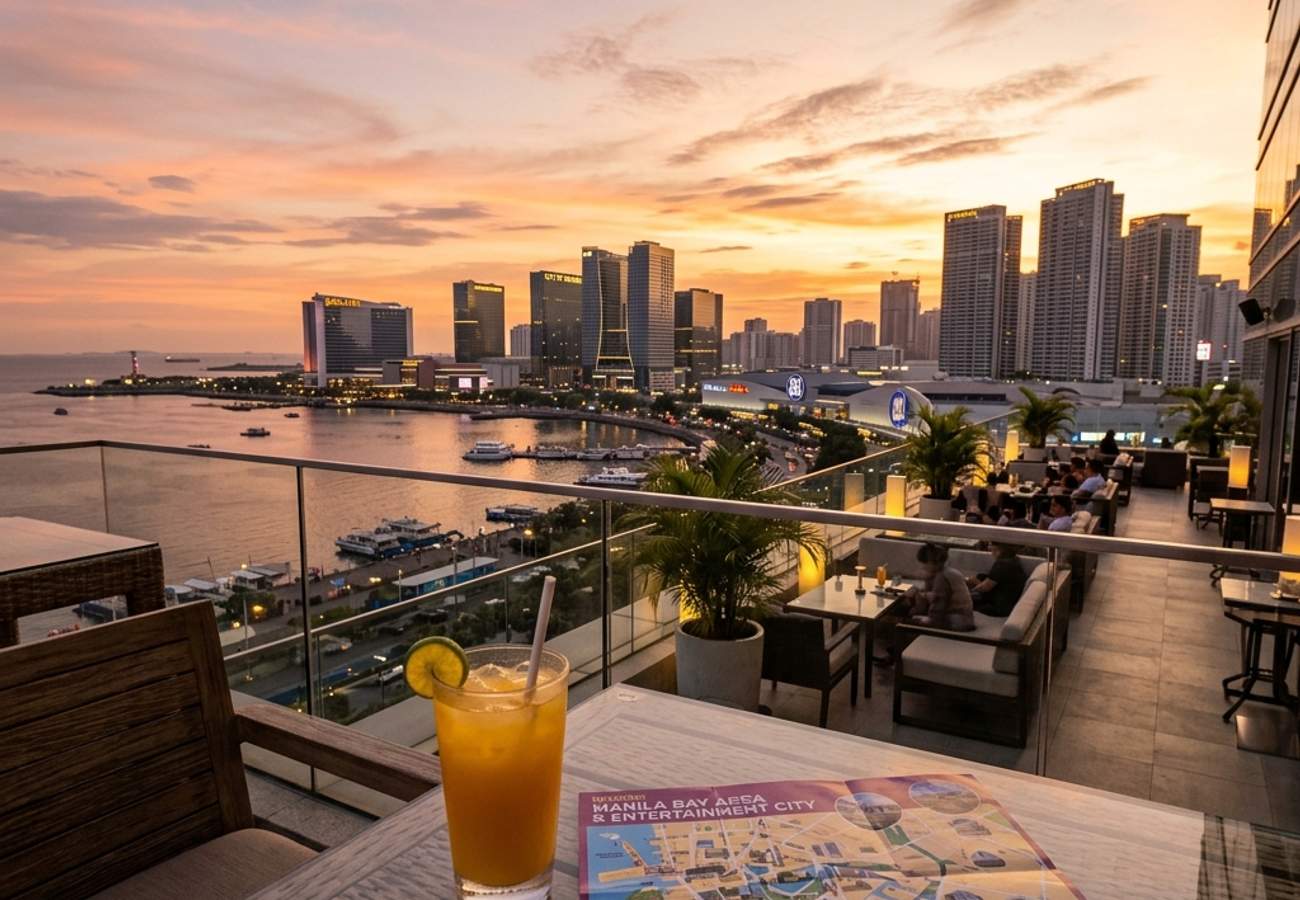
Image generated by AI
The wind-down of Philippine Offshore Gaming Operators removed a large block of foreign tenants from Metro Manila and reshaped parts of the property and hospitality market that had quietly come to depend on them. For travellers, the visible effects are cheaper mid-range accommodation in a few districts, quieter nightlife strips in Parañaque and Pasay, and a domestic gaming sector that has moved decisively onto licensed, locally regulated platforms.
Context and Background: what POGOs actually were
An arriving visitor in 2019 would have found whole floors of Bay Area towers occupied by companies most Filipinos could not name. Philippine Offshore Gaming Operators were licensed to run online gambling from Philippine soil while serving customers abroad. They were never permitted to take bets from residents. What they did take was office space, condominium units and restaurant covers, at a scale that made them one of Metro Manila's larger commercial tenant categories.
That footprint concentrated in a handful of areas. Entertainment City and the surrounding Parañaque and Pasay corridor absorbed most of it, along with parts of Makati and Alabang. Around those clusters grew a service economy of transport operators, canteens, late-night restaurants and serviced apartments oriented toward a largely Chinese-speaking workforce.
Event and Incident Details: the ban and the wind-down
President Ferdinand Marcos Jr. ordered a total ban on offshore gaming operators in his July 2024 State of the Nation Address, with operations required to cease by the end of that year. The rationale was not fiscal. Investigators had repeatedly tied POGO compounds to scam centres and trafficking cases, and by then the sector's tax contribution had shrunk well below what it cost to police.
The wind-down was rapid. Licences lapsed, compounds were raided or vacated, and tens of thousands of foreign workers left the country over the following months. Office vacancy in the affected corridors rose sharply, and landlords who had built pricing around a single tenant category found themselves competing for a much smaller pool.
Where licensed online slot play sits now
Domestic online gaming did not disappear with the offshore sector. It moved onto a licensed footing aimed at residents rather than foreign customers, regulated through PAGCOR's e-games framework, with operators required to hold accreditation and enforce age and identity checks at sign-up.
The distinction confuses a lot of arrivals. The banned sector took bets from people outside the Philippines. The licensed sector takes bets from people inside it. Different businesses, different rules, and only one of them was shut down.
For a visitor, the practical question is which platforms are legally operating, and this overview of licensed slot sites in the Philippines is a reasonable starting point for understanding how the accredited operators differ on licensing and payment handling. The rules are stricter than most arrivals assume. Play is limited to those aged 21 and over, operators are obliged to run verification before a first deposit, and the National Problem Gambling Helpline exists for anyone who needs to step back. Foreign nationals should also check their own jurisdiction's rules, which do not stop applying at the airport.
Risk and Impact: what changed for visitors
The tourism effects are uneven rather than uniformly bad. Accommodation in the Bay Area and parts of Pasay softened, and mid-range serviced apartments in particular became easier to book at short notice. Restaurants that had oriented entirely toward the POGO workforce closed, thinning out some late-night strips that travellers had used.
Against that, the districts are calmer and the security picture around them has improved. Several of the incidents that made international coverage between 2022 and 2024 involved POGO-linked compounds rather than tourist areas, but the distinction rarely survived the headline, and its removal has been useful for the country's reputation.
Transport is the practical change most visitors notice. The airport corridor through Pasay carried a heavy volume of shuttle traffic serving compound shift patterns, and its thinning has made the run between Terminal 3 and the Bay Area meaningfully quicker outside rush hour.
The property overhang is the slower story. Converting purpose-built gaming floors into conventional office or residential stock takes years, and some of that inventory is still working through the market. Travellers will see the results as unusually competitive rates in buildings that were never designed for tourists.
What tourism officials say
The Department of Tourism has spent the period since the ban pushing a repositioning away from the sectors that generated the 2022 to 2024 coverage and toward heritage, dive tourism and the meetings and events market. Its current Love the Philippines campaign reflects that, and the investment case has been made repeatedly in regional forums, including the ASEAN MICE facilities push we covered earlier this year.
Whether the office space refills is a question for the property market rather than the tourism board. What has already changed is the texture of a few Metro Manila districts. Travellers who last visited before 2024 should expect a quieter and noticeably cheaper Bay Area than the one they remember.
Related Travel Guides
Philippines Tourism MICE Industry ASEAN Development Projects
Canada-Philippines Strategic Tourism Realignment with Indonesia & Malaysia
Manila Entertainment City POGO Ban & Hotel Overlay, According to Reddit
Disclaimer
This article is for informational and educational purposes only. It does not constitute legal, financial, or professional advice. While we strive to provide accurate and up-to-date information, travel policies, regulations, and conditions change rapidly. Always verify information with official sources before making travel decisions. Nomad Lawyer makes no representations about the accuracy, reliability, completeness, or suitability of the information provided. Readers should consult qualified professionals for advice specific to their circumstances. The views expressed in this article are those of the author and do not necessarily reflect the views of Nomad Lawyer.
Preeti Gunjan
Contributor & Community Manager
A passionate traveller and community builder. Preeti helps grow the Nomad Lawyer community, fostering engagement and bringing the reader experience to life.
Learn more about our team →