
West Virginia, Pennsylvania and Wisconsin Secure 2026 ESTO Travel Honours for Tourism Innovation
West Virginia leads a surge in US destination marketing with record-breaking demand for its 2026 Vacation Guide, while Pennsylvania and Wisconsin win awards for multi-channel and digital innovation.
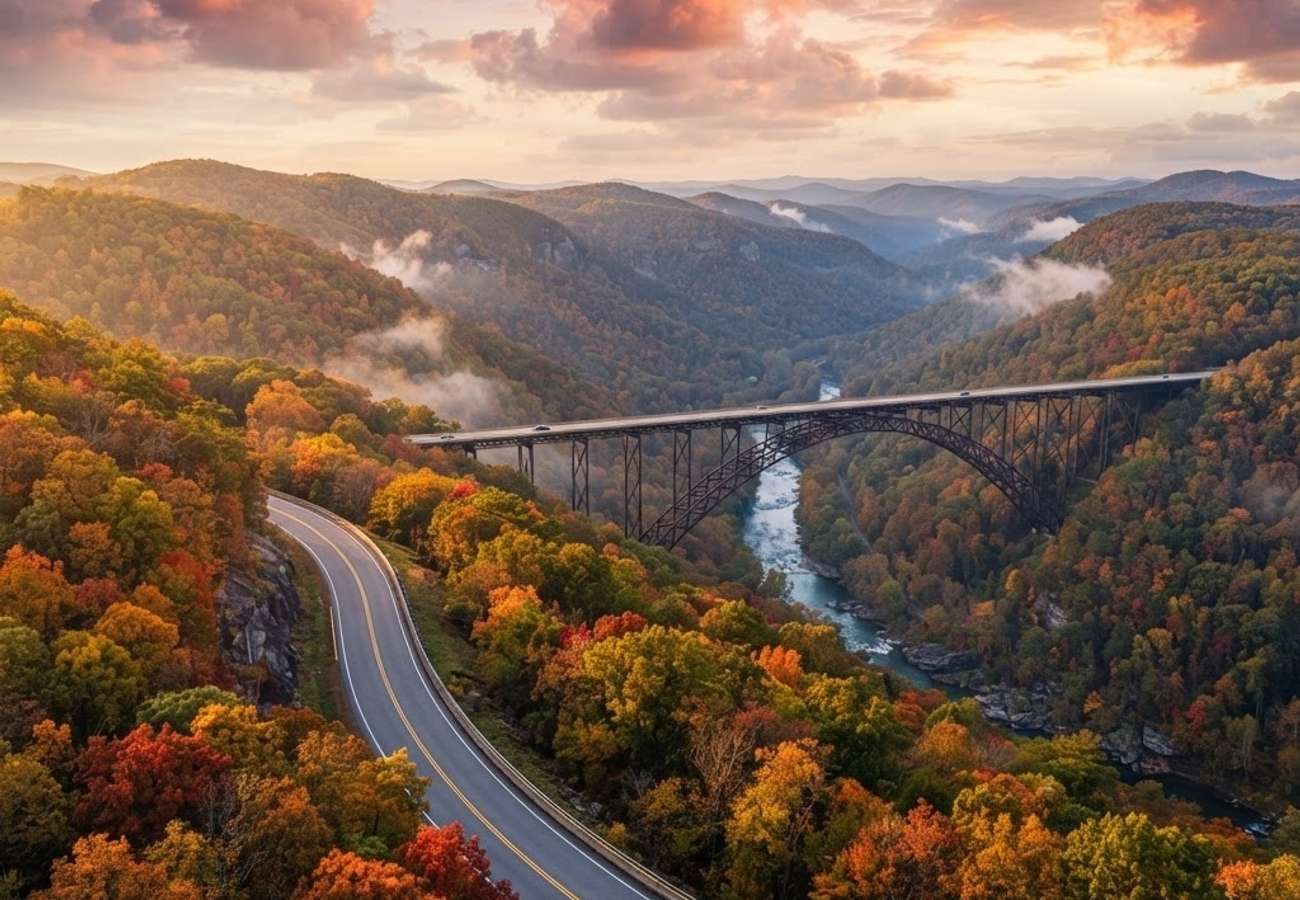
Image generated by AI
US states are aggressively pivoting their destination marketing strategies for 2026, with West Virginia reporting a 460% increase in vacation guide demand and Pennsylvania dominating multi-channel engagement.
State-Level Tourism Disruption and Growth
The 2026 ESTO (U.S. Travel) awards highlight a strategic divergence in how American states attract visitors. While some regions are doubling down on high-quality physical media, others are leveraging digital transformation and accessibility to capture underserved markets.
West Virginia has emerged as a primary focal point due to the success of its 2026 Vacation Guide. Our analysis of the state's performance indicates a significant shift in consumer behavior, with nearly 81,000 pre-orders placed within the first month of the campaign. This represents a growth of over 460% compared to the previous year's publication.
The commercial impact is substantial. West Virginia reports:
- Total Annual Visitors: Over 77 million.
- Economic Impact: Over $9.1 billion annually.
- Site-Specific Growth: New River Gorge National Park and Preserve saw 270,000 visitors in October 2025, up from 215,000 in October 2024.
Comparative Analysis of Award-Winning Strategies
Different states have adopted distinct methodologies to increase their tourism footprint, as detailed in the following breakdown:
| State | Primary Focus | Key Initiative/Award | Strategic Goal |
|---|---|---|---|
| West Virginia | Print Marketing | 2026 Vacation Guide | Converting Appalachian heritage into road-trip itineraries. |
| Pennsylvania | Multi-Channel | Community-Led Storytelling | Broad-spectrum brand advocacy across digital and PR. |
| Wisconsin | Digital Innovation | Visitor Experience Tech | Personalised planning and technology-driven attraction. |
| Oregon | Accessibility | All Ways Welcome Award | Removing barriers for mobility and sensory-impaired travelers. |
| South Carolina | Culinary Tourism | "Momentum to Mainstage" | Leveraging Top Chef and food identity to drive visitation. |
| North Carolina | Experiential | "Ski Florida" Campaign | Using geographical contrast to attract warm-weather markets. |
Passenger and Traveler Advisory: Navigating 2026 US Destinations
For the traveler planning a trip to these high-growth areas, the shift in marketing indicates a shift in the actual visitor experience.
For those visiting West Virginia: The surge in demand for the Vacation Guide suggests a trend toward "slow travel" and curated road trips. Travelers should expect higher congestion at key sites like New River Gorge. We suggest booking accommodations well in advance, as the 460% increase in guide interest typically correlates with higher hotel occupancy rates.
For travelers with accessibility requirements: Oregon's "accessibility-verified" status means that travelers with mobility or sensory needs can expect a more streamlined experience. Our analysis suggests that Oregon is now a primary recommendation for inclusive travel within the US, as the state has actively worked to remove physical and systemic barriers.
For culinary-focused itineraries: South Carolina's integration of "Top Chef" storytelling into its tourism product means that dining is no longer a secondary activity but a primary destination driver. Travelers should expect increased demand for regional farm-to-table experiences and local markets.
Industry Analyst View: The Return of Tangible Media vs. Digital Shift
The 2026 data presents a paradox: the simultaneous rise of high-tech digital tools (Wisconsin) and a massive resurgence in print media (West Virginia).
The success of the West Virginia Vacation Guide proves that physical publications remain commercially relevant when they move beyond being simple directories and instead offer "storytelling" and "strategic distribution." This provides a tangible tool for long-term trip planning that digital ads cannot replicate.
Conversely, Pennsylvania's broad portfolio—spanning Groundhog Day activations and "Do Winter the PA Way"—shows that a diversified, multi-channel approach is necessary for states attempting to maintain year-round tourism stability.
North Carolina's "Ski Florida" campaign, which included a $750 Delta Air Lines voucher and total prize packages valued at approximately $1,795, illustrates the move toward "surprise marketing." By targeting demographics outside their traditional geographic footprint, states are attempting to break "destination fatigue."
The 2026 landscape proves that destination marketing is no longer about visibility, but about the precision of the narrative.
Related Travel Guides
Disclaimer
This article is for informational and educational purposes only. It does not constitute legal, financial, or professional advice. While we strive to provide accurate and up-to-date information, travel policies, regulations, and conditions change rapidly. Always verify information with official sources before making travel decisions. Nomad Lawyer makes no representations about the accuracy, reliability, completeness, or suitability of the information provided. Readers should consult qualified professionals for advice specific to their circumstances. The views expressed in this article are those of the author and do not necessarily reflect the views of Nomad Lawyer.