
West Virginia Ranks 8th Riskiest US State for Workers in 2026 Impacting Tourism Infrastructure
With a 5.8 fatality rate per 100,000 workers, West Virginia faces a critical workplace safety challenge that threatens the stability of its growing travel and tourism sector.

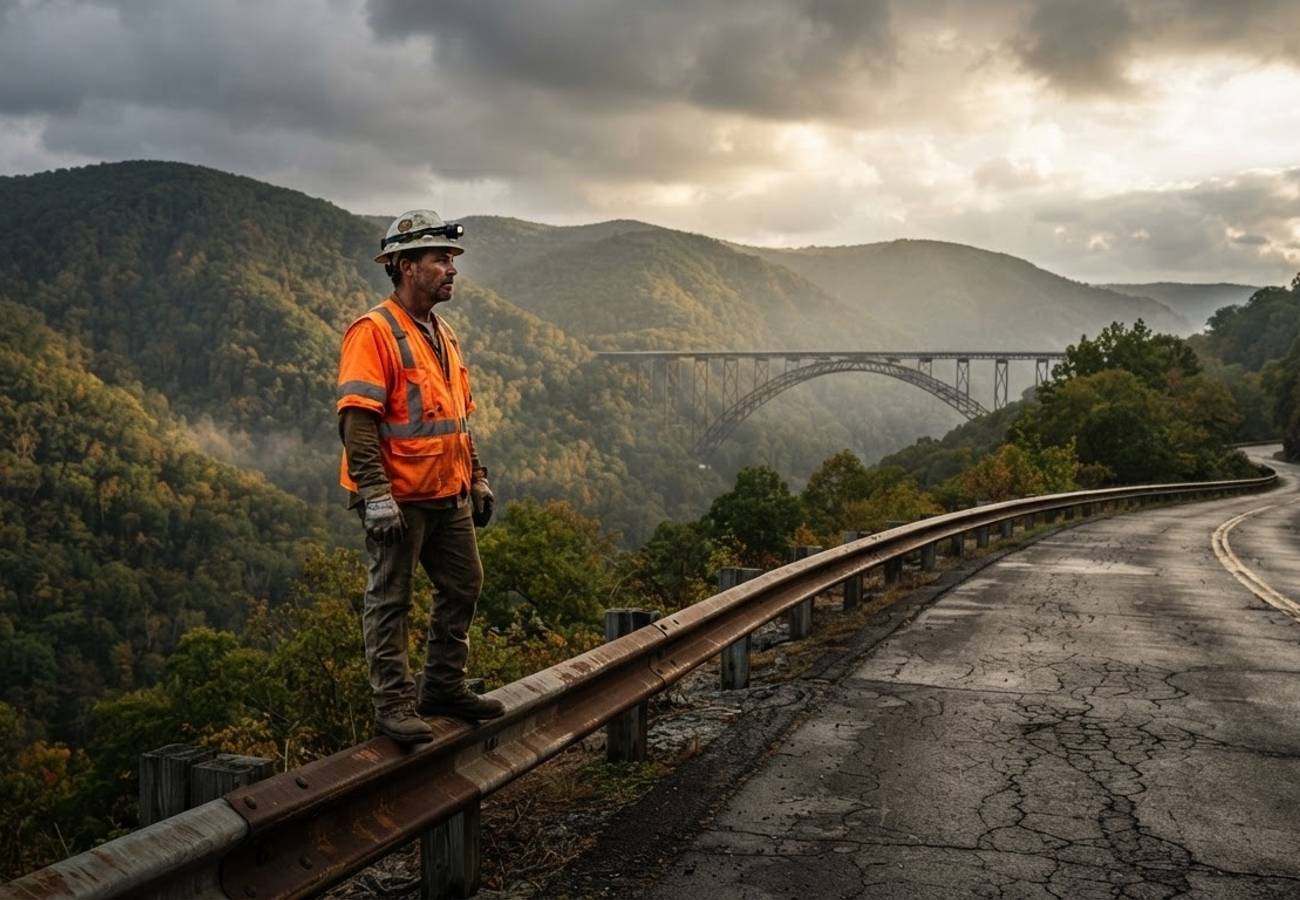
Image generated by AI
West Virginia recorded 40 workplace fatalities in 2024, resulting in a fatality rate of 5.8 per 100,000 workers—significantly higher than the US national average of 3.3.
The Safety Gap in the Mountain State
West Virginia is currently grappling with a systemic workplace safety crisis that extends far beyond the coal mines. According to the Worker Risk Index from Anidjar & Levine, the state ranks eighth among the most dangerous US states for employees, posting a risk score of 79.6. While these statistics are often viewed through an industrial lens, they present a direct challenge to the state's travel and tourism ambitions.
The visitor economy relies on a complex web of transport, construction, and outdoor maintenance. When the workers maintaining the bridges, carving the hiking trails, and managing the hospitality infrastructure operate in high-risk environments, the reliability of the entire destination is compromised.
Regional Risk Benchmarks
The disparity in worker safety across the US is stark. The ten highest-risk states average a fatality rate of 6.96 per 100,000 workers, while the ten lowest-risk states sit at just 2.17. West Virginia's position is not a momentary spike but a persistent trend; its five-year average workplace fatality rate stands at 6.54 per 100,000, with a five-year trend of 0.15 indicating a slight upward trajectory.
| Rank | State | Risk Score | 2024 Fatalities | 2024 Fatality Rate | 5-Year Avg. Rate | 5-Year Trend |
|---|---|---|---|---|---|---|
| 1 | Wyoming | 99.4 | 37 | 13.9 | 13.2 | 0.74 |
| 2 | Mississippi | 89.8 | 94 | 8 | 5.78 | 1.04 |
| 3 | North Dakota | 84.7 | 28 | 6.8 | 7.98 | -0.33 |
| 4 | Arkansas | 84.5 | 79 | 6.2 | 6.2 | 0.33 |
| 5 | Montana | 84.5 | 31 | 5.8 | 6.34 | -0.13 |
| 6 | Alaska | 80.8 | 24 | 7.1 | 7.3 | -0.6 |
| 7 | Idaho | 80.6 | 45 | 5 | 4.44 | 0.39 |
| 8 | West Virginia | 79.6 | 40 | 5.8 | 6.54 | 0.15 |
| 9 | Iowa | 77.3 | 83 | 5.2 | 4.4 | 0.5 |
| 10 | South Dakota | 74.7 | 29 | 5.8 | 5.64 | -0.44 |
Impact on the Visitor Experience
For the traveler, the real impact of these figures manifests in the quality and safety of the infrastructure. West Virginia's primary draw is its rugged geography—mountains, rivers, and dense forests. However, these same features increase the danger for the workers who maintain them.
In rural and mountainous regions, difficult terrain and extreme weather combined with limited access to emergency services mean that a workplace incident can quickly escalate into a systemic failure. When road crews or trail maintainers face high risk, the resulting instability can lead to unplanned closures, degraded trail safety, and unreliable transport links, directly affecting visitor confidence.
By prioritizing employee training, protective equipment, and rigorous emergency planning, the state can transform this risk into a resilience strategy. A safer workforce ensures that the "hidden gems" of the Appalachian region remain accessible and safe for international and domestic tourists.
Visitor Insider Tips
To navigate West Virginia's rugged terrain safely and support the local economy, keep these insights in mind:
- Seasonal Timing: Visit during the "shoulder seasons" (late September to October) to avoid the peak summer crowds while ensuring road and trail maintenance is at its peak before winter closures.
- Local Etiquette: When visiting small mountain towns, prioritize spending at locally-owned lodges and eateries. These businesses are the primary employers for the local workforce and directly benefit from sustainable tourism.
- Safety First: Always notify a local contact or your lodging host of your planned route when heading into the backcountry, as emergency response times in high-risk mountainous zones can be extended.
- Hidden Gem: Explore the New River Gorge National Park and Preserve, but stick to official trails to support conservation efforts and ensure you are in areas maintained by professional safety standards.
Tourism Outlook
The path forward for West Virginia lies in integrating worker protection into its destination marketing. The state's potential for adventure travel, heritage tourism, and scenic road trips is immense, but long-term growth depends on a stable operational foundation.
If local authorities and tourism boards align their goals with the safety standards championed by regional conservation bodies and workplace safety associations, the state can mitigate its risk profile. Improving the safety of those who build and maintain the visitor experience is not just a labor issue—it is a critical component of destination management.
A safer workforce is the invisible infrastructure that sustains a world-class destination.
Related Travel Guides
Disclaimer
This article is for informational and educational purposes only. It does not constitute legal, financial, or professional advice. While we strive to provide accurate and up-to-date information, travel policies, regulations, and conditions change rapidly. Always verify information with official sources before making travel decisions. Nomad Lawyer makes no representations about the accuracy, reliability, completeness, or suitability of the information provided. Readers should consult qualified professionals for advice specific to their circumstances. The views expressed in this article are those of the author and do not necessarily reflect the views of Nomad Lawyer.
Raushan Kumar
Founder & Lead Developer
Full-stack developer with 11+ years of experience and a passionate traveller. Raushan built Nomad Lawyer from the ground up with a vision to create the best travel and law experience on the web.
Learn more about our team →