
U.S. Customs and Border Protection Ban Rules: Analysis of Prohibited Imports and Legal Justifications 2026
An expert analysis of U.S. Customs and Border Protection (CBP) import restrictions, detailing why specific bans on gold, meats, and vehicles are critical for national security and environmental safety.

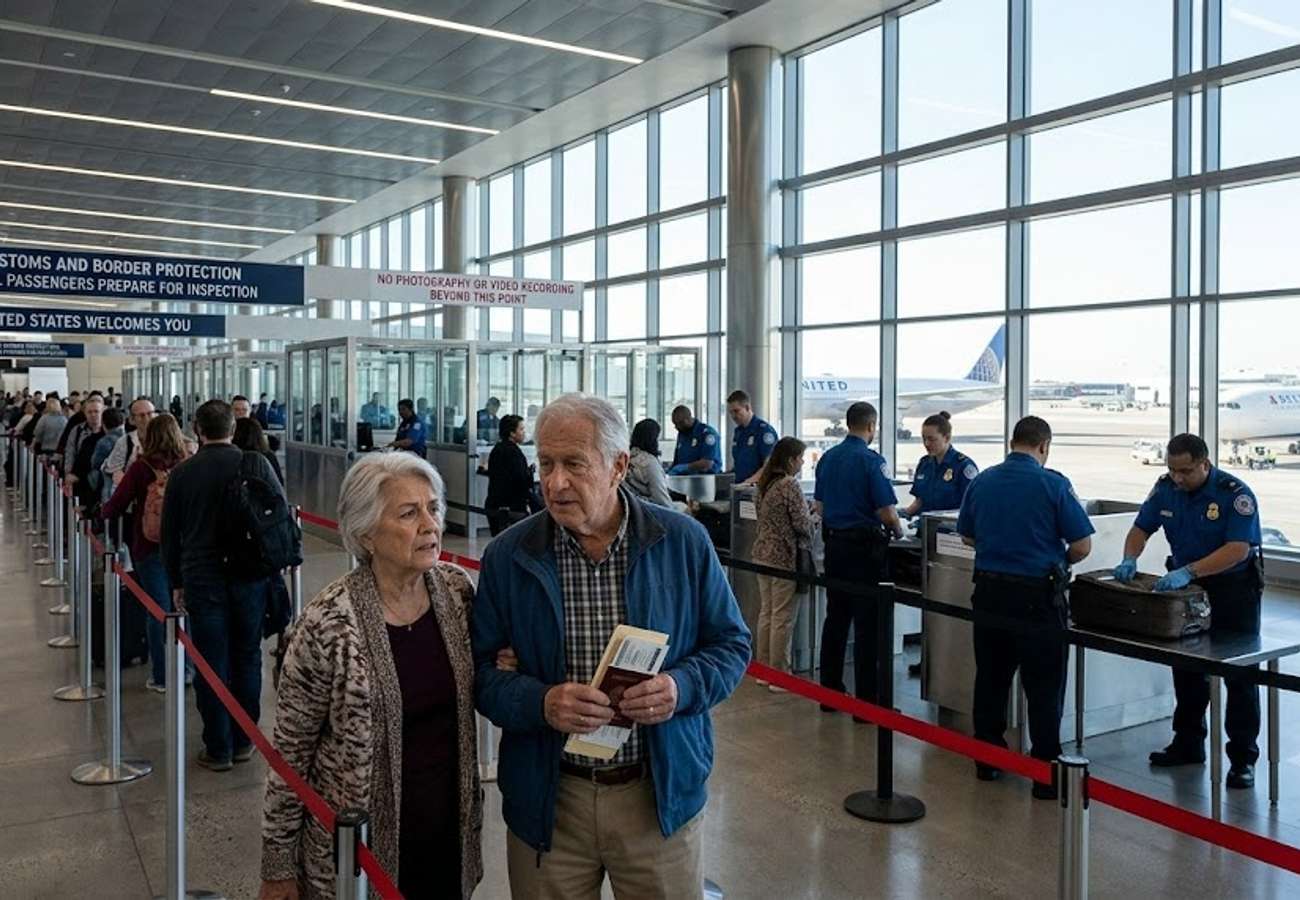
Image generated by AI
U.S. Customs and Border Protection (CBP) maintains rigorous entry protocols to secure national borders and facilitate lawful travel. While some prohibitions appear arbitrary, they are strictly calibrated to mitigate biological, economic, and security threats.
The CBP, the largest federal law enforcement agency within the Department of Homeland Security (DHS), operates across all airports, seaports, and land borders. Despite data indicating a decline in international arrivals and Canadian visits, the agency has escalated its enforcement of restricted item lists.
Beyond standard contraband like narcotics and weapons, the CBP enforces complex bans on agricultural goods and imported merchandise. These regulations are not merely bureaucratic; they are designed to shield the U.S. economy and public health from external shocks.
Critical Prohibited Items and Regulatory Justifications
The following items are subject to strict CBP bans or heavy restrictions based on federal safety and legal standards.
- Gold: Prohibited from Cuba, Iran, Burma (Myanmar), and most of Sudan. These bans prevent adversarial regimes from accessing U.S. markets and funding activities linked to human rights violations and global terrorism.
- Meats and Poultry: Strictly regulated via USDA standards to prevent the entry of foot-and-mouth disease, African and classical swine fever, bovine spongiform encephalopathy (mad cow disease), Newcastle disease, and avian influenza.
- Fresh Produce: Banned to prevent the introduction of invasive pests and noxious weeds.
- Cultural Artifacts: Restricted to deter the looting of global heritage sites and block money laundering for entities such as ISIS.
- Ceramic Tableware: Subject to FDA scrutiny due to lead-glaze contamination risks in products from Mexico, China, Hong Kong, and India.
- Automobiles: Denied entry if they fail to meet Federal Motor Vehicle Safety Standards (FMVSS), specifically regarding crumple zones and airbag deployment.
- Tobacco: Restricted by quantity to prevent tax evasion; Cuban tobacco is strictly prohibited under trade sanctions.
Enforcement Data and Compliance Risks
The financial and legal consequences of bypassing CBP regulations are significant. Industry observers note that agricultural violations are particularly targeted.
Agricultural Enforcement Example: In July 2025, CBP agents at Detroit Metropolitan Wayne County Airport (DTW) intercepted disease-ridden bushmeat from Africa on two separate occasions. Both travelers were issued fines of $300.
Economic Impact of Invasive Species: The historical cost of the Mediterranean fruit fly outbreak in the 1980s provides a benchmark for these restrictions, costing California and the federal government approximately $100 million in eradication efforts.
Summary of Restricted Categories
| Prohibited Item | Primary Regulatory Body | Core Reason for Ban |
|---|---|---|
| Gold (Specific Nations) | DHS / Treasury | Sanctions & Counter-Terrorism |
| Meats / Poultry | USDA | Disease Prevention (e.g., Avian Flu) |
| Fresh Fruits/Veg | USDA-APHIS | Invasive Pest Control |
| Cultural Artifacts | Dept. of State | Anti-Looting / Anti-Money Laundering |
| Certain Ceramics | FDA | Lead Poisoning Risks |
| Non-conforming Cars | DOT / FMVSS | Safety & National Security (Data Privacy) |
| Cuban Tobacco | CBP | Trade Sanctions |
Why This Matters: Industry Implication
The CBP's rigid stance on "non-obvious" bans reflects a shift toward Biosecurity and Digital Sovereignty.
The prohibition of specific smart vehicles—particularly those from China—highlights a new era where border security is no longer just about physical contraband, but about data harvesting and infrastructure protection. The failure of the BYD e6 to enter the U.S. retail market, despite its 2010 Detroit Auto Show debut, underscores that political and security considerations now outweigh market demand.
Furthermore, the strictness regarding agricultural imports protects a multi-billion dollar U.S. agricultural economy. A single breach in biosecurity can lead to catastrophic harvest losses and systemic supply chain failure.
Forward Outlook
Travelers and importers should expect increased scrutiny of "smart" electronics and vehicles. As the U.S. continues to tighten trade sanctions and data privacy laws, the list of prohibited origins for high-tech goods is likely to expand. Compliance now requires pre-clearance via the USDA-APHIS website or Department of State permits for cultural goods to avoid immediate confiscation and heavy financial penalties.
Strict adherence to CBP protocols is the only way to ensure seamless entry into the United States.
Related Travel Guides
Disclaimer
This article is for informational and educational purposes only. It does not constitute legal, financial, or professional advice. While we strive to provide accurate and up-to-date information, travel policies, regulations, and conditions change rapidly. Always verify information with official sources before making travel decisions. Nomad Lawyer makes no representations about the accuracy, reliability, completeness, or suitability of the information provided. Readers should consult qualified professionals for advice specific to their circumstances. The views expressed in this article are those of the author and do not necessarily reflect the views of Nomad Lawyer.
Preeti Gunjan
Contributor & Community Manager
A passionate traveller and community builder. Preeti helps grow the Nomad Lawyer community, fostering engagement and bringing the reader experience to life.
Learn more about our team →