
Waterways Leisure Tourism Executes 1:10 Share Split to Fuel Cordelia Cruises India Expansion 2026
Waterways Leisure Tourism has implemented a 1:10 share split following its July IPO to increase liquidity and support Cordelia Cruises' aggressive fleet expansion in India.

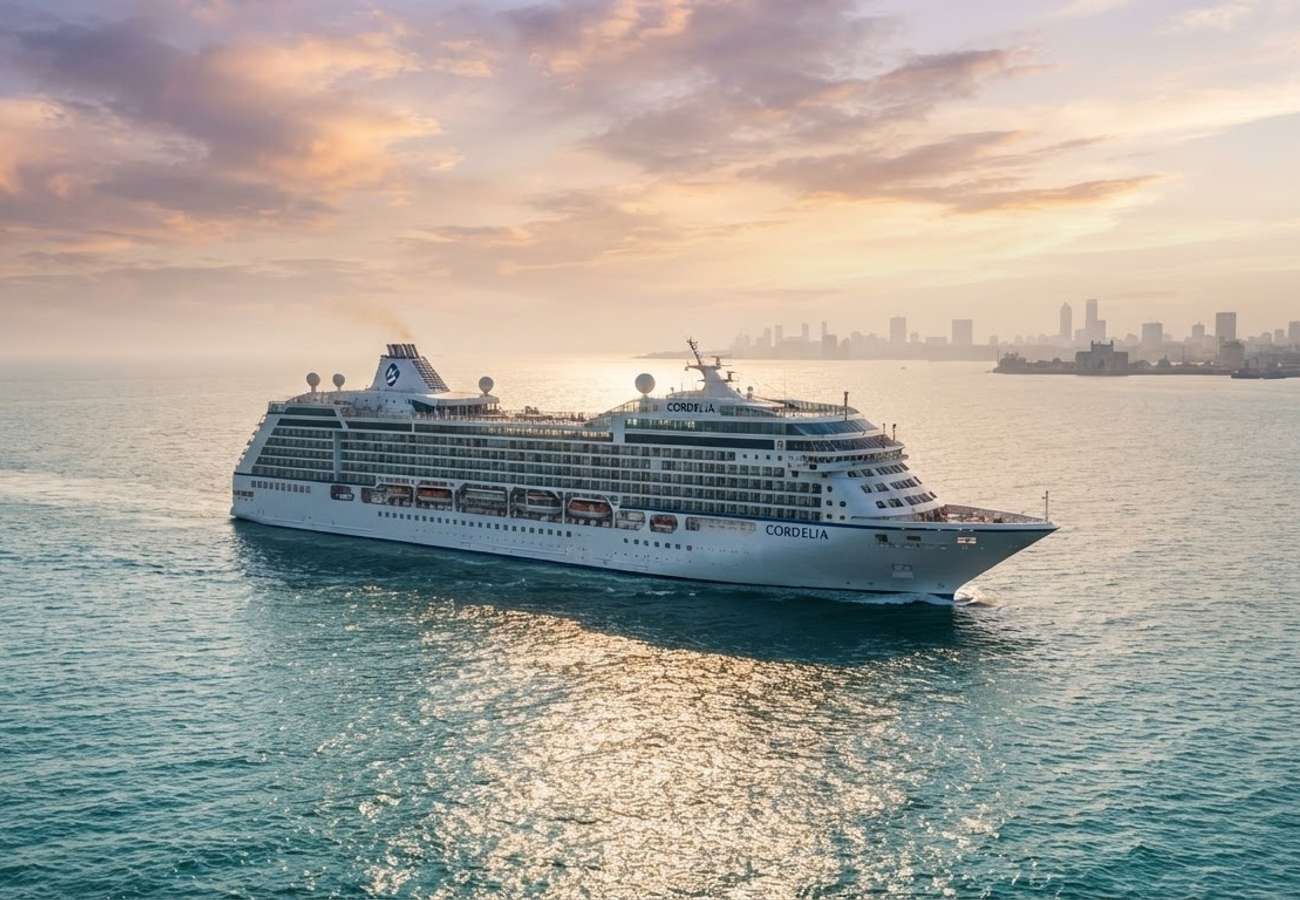
Image generated by AI
Waterways Leisure Tourism has completed a 1:10 share split just weeks after its market debut, a strategic move designed to democratize investment and fund a massive fleet expansion for Cordelia Cruises.
The capital markets maneuver follows a July 1, 2026, initial public offering (IPO) that successfully raised approximately ₹585 crore. By subdividing shares, the company aims to lower the entry barrier for retail investors while accelerating its goal of dominating the Indian domestic ocean-cruise sector.
Strategic Share Subdivision and Market Liquidity
The share split, which turned ex-split in late August, transitioned each equity share with a face value of ₹10 into 10 shares with a face value of ₹1. While this action does not alter the company's overall valuation, it significantly increases the volume of tradable shares.
Market analysts suggest this move addresses previous concerns regarding the IPO's premium pricing. By reducing the absolute price per share, Waterways Leisure Tourism is positioning itself to attract a broader base of institutional and retail participants. This is particularly relevant for smaller investors seeking exposure to India's emerging maritime leisure economy during the 2026–27 fiscal year.
Dominating the Indian Domestic Cruise Sector
Operating under the Cordelia Cruises brand, Waterways Leisure Tourism currently maintains a commanding presence in the overnight ocean and coastal cruise market. Data indicates the company controls nearly 80% of the domestic market in terms of value.
The current operational backbone is the Empress, a refurbished international vessel. The Empress facilitates multi-day itineraries departing from primary hubs including:
- Mumbai
- Chennai
- Lakshadweep
- Various select international ports
Financial reports for fiscal 2026 show revenues exceeding ₹580 crore. While some earnings volatility was noted, management has attributed this to one-off accounting adjustments rather than a decline in passenger demand.
Fleet Scaling: From Single Ship to Triple Threat
The capital raised from the IPO is being aggressively deployed to transform Cordelia Cruises from a single-ship operation into a multi-vessel fleet. This expansion is viewed as a structural shift for the Indian market, moving away from seasonal charters toward year-round homeporting.
The expansion timeline is as follows:
| Vessel Name | Expected Entry/Status | Strategic Role |
|---|---|---|
| Empress | Currently Operational | Core fleet; establishes Mumbai/Chennai hubs |
| Cordelia Sky | October 2026 | Expected to drive immediate profit growth and route flexibility |
| Cordelia Sun | 2027 | Larger capacity vessel to scale domestic and SE Asia routes |
The introduction of the Cordelia Sky and Cordelia Sun will allow for enhanced yield management and the development of specialized onboard products, including Indian-centric dining and entertainment tailored for domestic travelers.
The Macro Outlook for India's Maritime Tourism
Despite a coastline extending over 7,500 kilometers, cruise travel remains a small portion of India's total leisure spend. However, the sector is reaching a tipping point driven by a growing middle class and increased discretionary income.
Current demand is primarily fueled by:
- First-time cruisers and younger demographics.
- Families seeking all-inclusive, short-duration vacations.
- Improved infrastructure at ports like Cochin, New Mangalore, and Mumbai.
While regulatory hurdles and higher operating costs persist compared to hubs in Southeast Asia or the Middle East, government streamlining of terminals is making the region more viable. Cordelia Cruises now serves as the primary proxy for the health and trajectory of the entire Indian maritime leisure sector.
Intersection of Policy and Capital
The rapid progression from IPO to share split in 2026 highlights a convergence of tourism policy and capital market appetite. Waterways Leisure Tourism is operating as a hybrid entity—part hospitality provider and part infrastructure-light transport operator.
For the travel trade, this scaling suggests more frequent sailings and intensified competition on pricing. For the broader economy, it tests whether India can successfully unlock a high-yield travel category that complements its existing aviation and rail networks.
The transition to a three-ship fleet marks the beginning of a new era for Indian luxury maritime travel.
Related Travel Guides
Disclaimer
This article is for informational and educational purposes only. It does not constitute legal, financial, or professional advice. While we strive to provide accurate and up-to-date information, travel policies, regulations, and conditions change rapidly. Always verify information with official sources before making travel decisions. Nomad Lawyer makes no representations about the accuracy, reliability, completeness, or suitability of the information provided. Readers should consult qualified professionals for advice specific to their circumstances. The views expressed in this article are those of the author and do not necessarily reflect the views of Nomad Lawyer.
Raushan Kumar
Founder & Lead Developer
Full-stack developer with 11+ years of experience and a passionate traveller. Raushan built Nomad Lawyer from the ground up with a vision to create the best travel and law experience on the web.
Learn more about our team →