
Network Rail Weaver Line Upgrades 2026: London Liverpool Street Rail Disruptions and Reliability Plan
Network Rail is implementing critical infrastructure renewals on the Weaver line in September 2026, causing significant weekend closures between London Liverpool Street and Cheshunt to improve long-term commuter reliability.

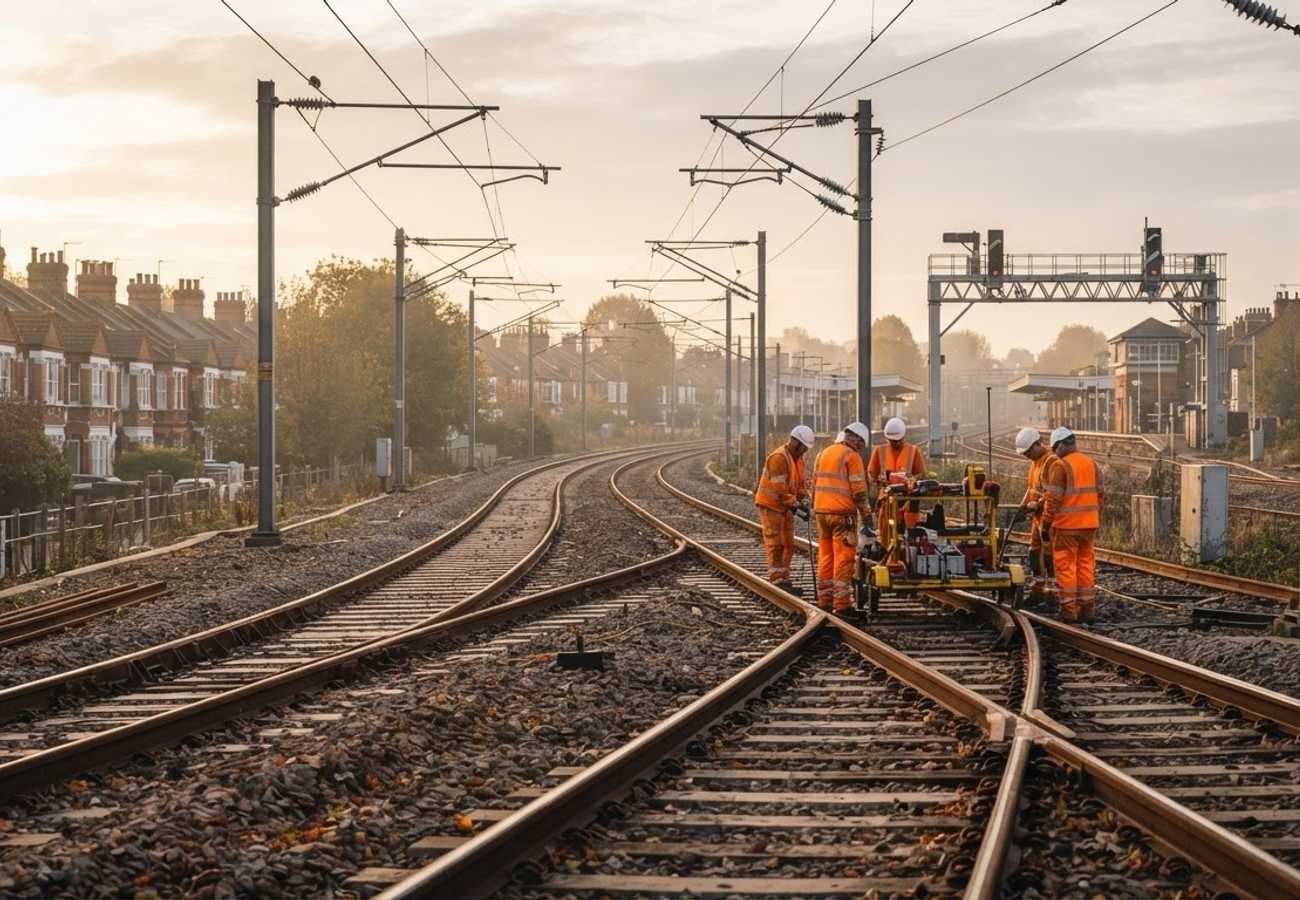
Image generated by AI
Network Rail is executing a targeted infrastructure upgrade programme on the Weaver line throughout September 2026. These works will trigger significant weekend service suspensions across north-east London corridors to mitigate chronic reliability failures.
The engineering phase focuses on the critical feeder routes linking suburban hubs to central London. By concentrating high-impact renewals into specific weekend blockades, Network Rail intends to reduce the frequency of unplanned possessions throughout the remainder of the year.
Scheduled Closures and Service Impact
Engineering schedules confirm that the most severe disruptions are concentrated over two consecutive weekends in September 2026.
- Primary Closure Dates: September 19–20 and September 26–27, 2026.
- Affected Sectors: Services between London Liverpool Street, Bethnal Green, Enfield Town, and Cheshunt.
- Operational Changes: Full line closures and partial suspensions. London Overground services will either be curtailed before reaching the central terminus or diverted.
Because the Weaver line serves as a primary artery for passengers connecting to long-distance national rail services at London Liverpool Street, these closures will impact more than just local commuters. Travelers utilizing the capital's major interchanges should anticipate altered connection windows.
Engineering Scope: Technical Renewals
The September 2026 programme is not a routine maintenance cycle but a comprehensive renewal package designed to address specific failure points.
Track and Power Infrastructure The works include track renewal and tamping to eliminate ride defects and reduce the risk of speed restrictions. Technicians are also conducting inspections and repairs on overhead line and power equipment to prevent "dewirements" or power trips during peak demand periods.
Signalling and Structural Integrity Targeted signalling inspections are being carried out alongside structural maintenance of bridges and lineside assets. The focus area extends from London Fields and Seven Sisters through to Cheshunt.
Climate Resilience and Vegetation Management A substantial portion of the project involves drainage checks and aggressive lineside vegetation clearing. This is a preemptive strike against autumn "leaf-on-rail" contamination and storm-related debris, which historically trigger cascading delays across the north-east suburban network.
Passenger Logistics and Alternatives
Transport operators have established a contingency framework for affected passengers during the September blockades:
- Replacement Services: Rail replacement buses will operate on closed sections.
- Diversionary Routes: Passengers are encouraged to use alternative London Overground or Underground routes via Hackney Downs, Seven Sisters, and Liverpool Street.
- Ticket Acceptance: Parallel services will accept Weaver line tickets to facilitate movement.
- Modified Termini: Several services will start or terminate at intermediate stations, meaning trains will not run the full length of the line.
Our analysis of the current guidance suggests that Sunday evening travel will be the highest risk period, as engineering overruns often clash with the resumption of the weekday timetable.
Infrastructure Context: The Weaver Junction Pressure
These upgrades are part of a strategic response to systemic congestion. Industry documentation identifies the area around Weaver Junction and sections of the West Coast Main Line south of Rugby as critical bottlenecks.
In a high-density network, a minor fault on a feeder line like the Weaver route can trigger a "performance shock." This ripple effect creates delays that extend far beyond the local area, impacting national timetables and long-distance arrivals into London. By stabilizing the suburban feeders, Network Rail aims to create a more robust operating margin for the entire regional hub.
Reliability Forecast
The long-term goal of the September 2026 works is to validate the increased service frequencies introduced in the December 2025 timetable. That timetable assumed a level of infrastructure reliability that has not always been met in practice.
Once completed, the Weaver line should see:
- Reduced fault rates and fewer temporary speed restrictions.
- More consistent journey times during the winter peak.
- Improved punctuality for passengers connecting to national rail services.
Short-term weekend disruption is the price for long-term operational stability.
Related Travel Guides
Disclaimer
This article is for informational and educational purposes only. It does not constitute legal, financial, or professional advice. While we strive to provide accurate and up-to-date information, travel policies, regulations, and conditions change rapidly. Always verify information with official sources before making travel decisions. Nomad Lawyer makes no representations about the accuracy, reliability, completeness, or suitability of the information provided. Readers should consult qualified professionals for advice specific to their circumstances. The views expressed in this article are those of the author and do not necessarily reflect the views of Nomad Lawyer.
Kunal K Choudhary
Co-Founder & Contributor
A passionate traveller and tech enthusiast. Kunal contributes to the vision and growth of Nomad Lawyer, bringing fresh perspectives and driving the community forward.
Learn more about our team →