
Texas State Park Between Dallas College Station: Hidden Lakeside Gem 2026
A secluded Texas state park between Dallas and College Station opened expanded facilities in 2026, offering pristine lakeside camping, paddling routes, and hiking trails away from crowded tourist destinations.

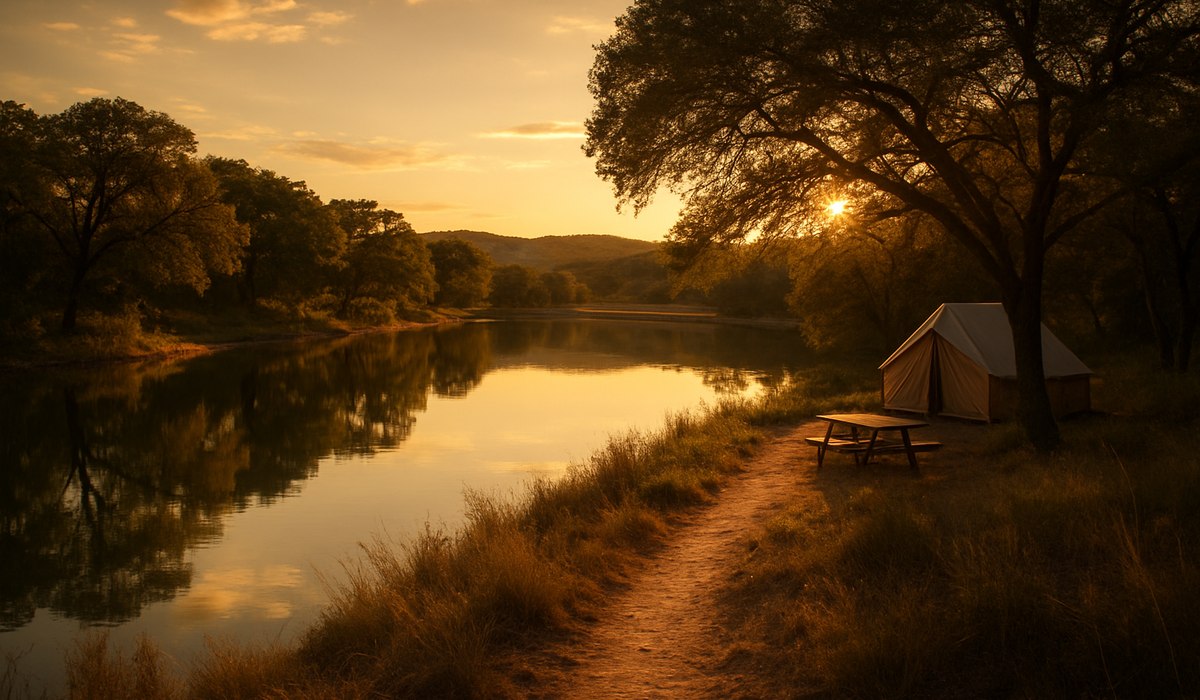
Image generated by AI
A Quiet Escape Between Two Major Texas Cities
Nestled between Dallas and College Station, a remarkable yet undiscovered Texas state park between Dallas and College Station has become the go-to destination for travelers seeking solitude and outdoor adventure in 2026. This hidden lakeside gem offers an impressive network of trails, water sports opportunities, and rustic camping facilities without the overwhelming crowds found at more famous Texas parks. The park's recent expansion of amenities has made it increasingly accessible to nomadic travelers and weekend adventurers alike.
What sets this Texas state park between Dallas and College Station apart is its perfect midpoint location. Positioned roughly equidistant from both metropolitan areas, the park serves as an ideal stopover for travelers exploring central Texas. The pristine waters, rolling terrain, and abundant wildlife create an authentic outdoor experience that captures the essence of Texas's natural landscape.
What's New at This Hidden Texas Destination
Recent developments have transformed visitor experience at this lakeside preserve. New amenities installed throughout 2026 include expanded parking areas, upgraded restroom facilities, and improved trail signage across all major hiking routes. The park authority completed a major dock renovation project, making water access safer and more convenient for paddlers and fishing enthusiasts.
Local tourism officials have strategically promoted the destination as an alternative to overcrowded state parks. This marketing push, combined with improved infrastructure, has made the Texas state park between dallas college station more appealing to both local explorers and visiting travelers. The park remains significantly less congested than comparable facilities in the region, preserving its quiet character even as awareness grows.
Best Time to Visit
Spring months from March through May offer ideal conditions for experiencing this lakeside sanctuary. Temperatures range between 65-80 degrees Fahrenheit, creating perfect weather for hiking and water activities without excessive heat. Wildflower blooms during this period add vibrant color to trail routes throughout the park.
Summer brings warmer temperatures ideal for swimming and paddling but also increases visitor volume. Fall from September through November provides another excellent window with comfortable temperatures and reduced humidity. Winter visits suit birdwatchers seeking migratory species, though water activities become limited due to cooler conditions.
Weekday visits significantly reduce crowding compared to weekends. Early morning arrivals ensure parking availability and solitude on major trails. Avoid holiday weekends when families travel from nearby metropolitan areas.
How to Get There
From Dallas, the drive takes approximately 90-110 minutes via major state highways. Take Interstate 20 eastbound toward the park's general region, then follow secondary routes toward the lakeside entrance. Clear signage marks the final approach, though GPS coordinates prove invaluable for precise navigation.
College Station travelers enjoy a more direct route of roughly 45-60 minutes. Head northwest from campus toward the state park entrance, utilizing well-maintained regional roads. Both routes offer scenic countryside driving, introducing travelers to rural Texas landscapes before arriving at the park's gateway.
The park maintains a primary entrance with staffed facilities during peak hours. Parking areas accommodate standard vehicles and larger RVs, though overnight lodging reservations require advance booking through official park channels.
Best Trails and Hiking Routes
The park features over 20 miles of marked hiking trails ranging from easy 2-mile loops to challenging 8-mile backcountry routes. The Lakeside Loop Trail provides stunning water views with moderate difficulty, perfect for casual hikers and families. This popular route offers interpretive signage describing local ecosystem and geology.
Advanced hikers appreciate the Ridge Trail system, gaining elevation for panoramic vistas across the lake and surrounding landscape. The 6-mile Ridge Route challenges fitness levels while rewarding effort with exceptional sunrise and sunset viewing opportunities. Trail conditions remain well-maintained year-round.
The Woodland Path offers shaded hiking through native pine and oak forests, ideal for hot-weather exploration. This quieter route attracts birdwatchers and nature photographers seeking solitude away from busier trails. Stream crossings during wet seasons add adventure to this 4-mile journey.
All trails feature clearly marked intersections and emergency water stations. Pack adequate water regardless of season, as Texas heat demands proper hydration. Early starts ensure completed hikes before afternoon temperature peaks.
Paddling and Water Activities
The Texas state park between Dallas and College Station provides exceptional paddling opportunities for kayakers and canoeists. Clear water and minimal boat traffic create peaceful conditions perfect for leisurely exploration. Several launch points accommodate both experienced paddlers and beginners seeking calm-water practice.
The main lake arm extends nearly 8 miles with protected coves ideal for paddling routes beginners. Protected bays offer shelter from wind and waves, making these accessible zones excellent for families. Local outfitters rent equipment at reasonable daily rates through affiliated concession providers.
Advanced paddlers explore secondary lake arms reaching deeper wilderness areas. These paddling routes reveal isolated shoreline ecosystems hosting diverse birdlife and pristine scenery. Morning paddles often reward patient observers with eagle sightings and deer at water's edge.
Fishing enthusiasts find excellent largemouth and smallmouth bass populations. Crappie and catfish provide additional angling opportunities throughout seasons. State fishing licenses remain required; purchase through Texas Parks and Wildlife Department or authorized retailers.
Stand-up paddleboarding has grown increasingly popular on calm morning conditions. Equipment rentals include boards, paddles, and safety gear. Swimming areas remain designated for visitor safety, with lifeguards present during summer months.
Camping and Accommodations
The park operates rustic campgrounds featuring both developed and primitive sites. Developed campsites include electrical hookups, water access, and picnic tables suitable for RV camping. Primitive sites appeal to backpackers seeking authentic wilderness experiences without modern conveniences.
Overnight camping requires advance reservations through official park booking systems. Peak season spots fill weeks ahead, particularly for lakeside premium locations. Budget-conscious travelers benefit from weekday rates 20-30% below weekend pricing.
The park maintains several cabin options providing shelter without sacrificing outdoor immersion. Basic cabins offer beds, electricity, and heating while preserving rustic character. These accommodations split differences between rough camping and resort-style lodging.
Day-use facilities include picnic areas with grills, playground equipment, and group pavilions available for rental. These spaces accommodate family gatherings, reunions, and small events throughout the year.
Amenities vary by site category. Premium locations offer lake views and extended services. Budget sites provide basic infrastructure supporting self-sufficient camping styles. Visit official tourism resources for detailed facility descriptions matching your needs.
Key Data Table
| Feature | Details | Best For |
|---|---|---|
| Distance from Dallas | 90-110 minutes driving | Day trips from metro area |
| Distance from College Station | 45-60 minutes driving | Extended weekend visits |
| Total Trail Miles | 20+ marked routes | Diverse hiking abilities |
| Lake Surface Area | Approximately 3,200 acres | Paddling and fishing |
| Camping Sites Available | 100+ developed and primitive | Groups and solo travelers |
| Peak Season | March-May, September-November | Optimal weather conditions |
| Visitor Capacity | Remains under 500 daily average | Crowd-free experience |
What This Means for Travelers
This hidden Texas state park between Dallas and College station destination offers transformative advantages for nomadic explorers and weekend adventurers:
1. Accessibility Without Crowds: Unlike famous Texas state parks drawing thousands weekly, this facility maintains intimate visitor numbers. Travelers enjoy solitude and authentic wilderness without reservation frustrations common at overcrowded alternatives.
2. Strategic Location Benefits: Positioned between two major metros, the park becomes ideal for business travelers extending work trips into outdoor adventures. The accessible driving distance allows flexible scheduling around professional commitments.
3. Affordable Recreation: Camping and day-use fees remain remarkably affordable. Equipment rental costs stay competitive with larger park systems. Minimal
Disclaimer
This article is for informational and educational purposes only. It does not constitute legal, financial, or professional advice. While we strive to provide accurate and up-to-date information, travel policies, regulations, and conditions change rapidly. Always verify information with official sources before making travel decisions. Nomad Lawyer makes no representations about the accuracy, reliability, completeness, or suitability of the information provided. Readers should consult qualified professionals for advice specific to their circumstances. The views expressed in this article are those of the author and do not necessarily reflect the views of Nomad Lawyer.
Raushan Kumar
Founder & Lead Developer
Full-stack developer with 11+ years of experience and a passionate traveller. Raushan built Nomad Lawyer from the ground up with a vision to create the best travel and law experience on the web.
Learn more about our team →