
Ohio State Lakeside Park: The Hidden Gem Locals Guard in 2026
Discover Ohio's exclusive lakeside state park that remains largely unknown to tourists in 2026. Local residents fiercely protect this serene destination from overcrowding, offering pristine nature experiences away from mainstream travel routes.

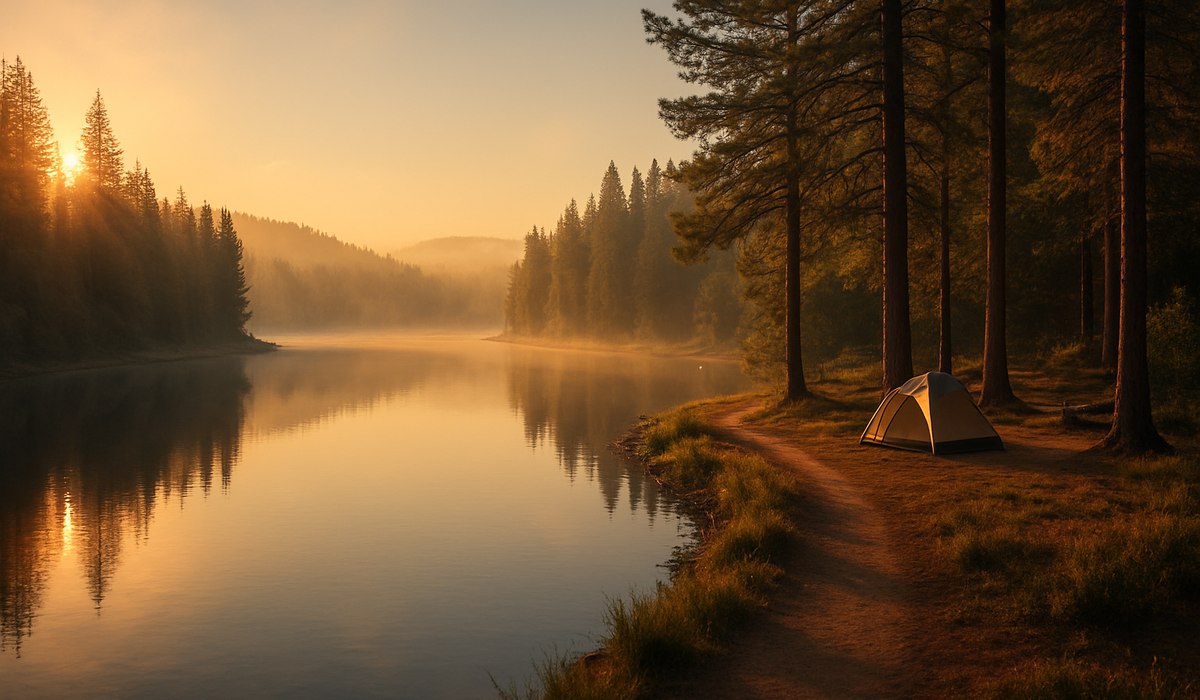
Image generated by AI
Lede
Ohio's most carefully guarded lakeside state park remains virtually unknown outside regional communities, offering weary travelers a rare escape from overcrowded tourist destinations. While major Ohio state parks draw hundreds of thousands annually, this exceptional waterfront preserve maintains its tranquility through word-of-mouth protection by devoted locals who understand its irreplaceable value. In 2026, this hidden gem continues providing unparalleled access to pristine shorelines, undisturbed wildlife corridors, and recreational opportunities that mainstream travel guides consistently overlook.
Why This Park Remains a Local Secret
The deliberate obscurity surrounding Ohio's premier lakeside state park stems from community stewardship rooted in environmental consciousness. Local residents recognize that excessive tourism creates infrastructure strain, water quality degradation, and habitat disruption. Unlike heavily promoted destinations featured on every travel blog, this particular preserve benefits from minimal digital footprint and intentional gatekeeping by park advocates.
The park's limited commercial development distinguishes it fundamentally from competitors. Nearby towns restrict lodging expansions, dining establishments remain independent rather than chain-operated, and parking capacity deliberately caps visitor numbers. This philosophy reflects growing recognition that ecological integrity demands protection from market-driven expansion pressures.
Cultural heritage also contributes to the park's protective mystique. Multi-generational families maintain deep seasonal traditions here, creating social bonds that discourage external promotion. For many locals, keeping this destination quiet represents stewardship responsibility toward future generations. Visit the official Ohio Department of Natural Resources website to understand state park conservation policies that support this approach.
What Makes It Worth the Visit
Beyond serene aesthetics, this lakeside destination delivers remarkable biodiversity and recreational diversity. The park encompasses 2,400+ acres featuring native wetlands, hardwood forests, and prime waterfowl habitat that attract serious birders during migration seasons. Crystal-clear waters support sustainable fishing populations including walleye, pike, and panfish species rarely found in neighboring reservoirs.
The hiking trail network totals approximately 18 miles, featuring both family-friendly loops and challenging ridge-top routes. Scenic overlooks provide unobstructed lake panoramas during sunset hours, while secluded coves offer photography opportunities absent at mainstream destinations. The camping infrastructure includes 75 sites equipped with basic amenities—deliberately modest to discourage mass visitation.
Water activities span kayaking, canoeing, and swimming during summer months when temperatures peak around 72°F. Unlike congested beach communities, visitors experience unlimited water access without reservation queuing or crowding. Several dedicated kayak launch points provide access to protected bays ideal for paddling novices and experienced enthusiasts alike.
Check TripAdvisor's authentic park reviews to read unfiltered visitor experiences and ratings before planning your expedition.
Why This Park Deserves Attention in 2026
Recent years witnessed troubling trends affecting Ohio's popular destinations—parking lot overflow, trail erosion, water quality concerns from excessive use. Progressive park administrators began implementing capacity management strategies while promoting lesser-known alternatives. This lakeside Ohio state lakeside gem received strategic investment in 2025-2026, including trail restoration, wildlife habitat improvements, and enhanced water monitoring systems.
The park authority deliberately increased educational programming rather than commercial amenities, reflecting commitment to conservation-focused tourism. New interpretive signage highlights ecological restoration projects and native species recovery initiatives. These developments position the destination as a model for sustainable outdoor recreation that balances public access with environmental protection.
Best Time to Visit
Seasonal patterns significantly influence the experience at this Ohio state lakeside destination. Spring (April-May) introduces migrating songbirds and wildflower blooms while maintaining manageable visitor numbers. Water temperatures remain cool but fishable, attracting dedicated anglers seeking early-season panfish abundance.
Summer (June-August) brings peak conditions with comfortable 72-78°F temperatures ideal for water activities. However, weekdays consistently experience lighter traffic than weekends—visiting Tuesday through Thursday maximizes solitude. Early mornings before 10 AM offer virtually empty trails and pristine lake conditions.
Fall (September-October) delivers spectacular foliage displays across the hardwood canopy while temperatures moderate to 55-65°F. Migratory bird activity intensifies, creating exceptional birdwatching windows. October particularly attracts photographers chasing golden-hour light and autumn color transformations.
Winter (November-March) sees minimal visitation despite its own appeal. The park remains open with maintained facilities, offering solitude-seekers peaceful exploration. However, water access becomes limited, and certain trail sections close periodically due to weather conditions.
How to Get There
The park sits approximately 90 minutes northeast of Columbus in rural Pike County, positioning it strategically outside typical tourist traffic patterns. Primary access routes include US Route 124 heading north from Piketon, transitioning to County Road 32 for the final 12 miles through agricultural countryside.
GPS coordinates (39.4127° N, 82.7412° W) ensure accurate navigation, particularly important given minimal directional signage intentionally maintained by park authorities. The approach road deliberately avoids highway exits adjacent to commercial clusters, preserving the rural transition experience.
Parking facilities include a primary lot accommodating approximately 85 vehicles, with overflow capacity restricted to prevent day-use congestion. The parking fee structure ($5 daily, $25 annual pass) remains deliberately modest, not discouraging legitimate visitors while generating modest revenue for maintenance operations.
Public transportation options remain limited, reinforcing the park's natural isolation. Nearest commercial airport (Columbus International) requires 2.5-hour ground transit. This accessibility reality naturally filters casual day-trippers, preserving the destination for genuinely committed nature enthusiasts.
Hiking and Camping Tips for First-Timers
First-time visitors should prepare for rugged terrain that demands appropriate footwear and hydration planning. The ridge trail system features elevation changes exceeding 400 feet, challenging sedentary visitors. Download offline maps before arrival, as cellular coverage remains intermittent throughout the park boundaries.
Camping reservations require 14+ days advance notice through the official Ohio Department of Natural Resources portal. Sites accommodate standard two-person tents through family group configurations with varying amenity levels. The park prohibits generator operation after 10 PM, enforcing quiet standards that protect the acoustic environment locals fiercely cherish.
Water management proves critical during extended stays. Campground spigots provide potable water, but portable purification systems offer backup for backcountry exploration. The park prohibits motorized watercraft, limiting noise pollution while protecting sensitive wildlife corridors dependent on acoustic tranquility.
Wildlife encounters require appropriate protocols. Black bears inhabit the region seasonally (June-September), necessitating bear-proof food storage and proper trash disposal. Park orientation sessions explain species behavior and coexistence principles before backcountry ventures.
Key Facts About This Hidden Destination
| Attribute | Details |
|---|---|
| Park Size | 2,400+ acres of diverse habitat |
| Established | 1952 (recently renovated 2025-2026) |
| Trail Network | 18 miles across varying difficulty levels |
| Camping Sites | 75 locations with basic amenities |
| Water Surface Area | 847 acres, maximum depth 118 feet |
| Annual Visitation | Approximately 45,000 (intentionally capped) |
| Best Birding Season | May-September migration windows |
| Average Lake Temperature | 72°F summer peak, 35°F winter minimum |
| Parking Capacity | Primary lot: 85 vehicles + overflow reserves |
| Nearest City | Piketon, Ohio (12 miles south) |
What This Means for Travelers
This developing trend toward protected lesser-known destinations signals a broader travel philosophy shift. Consider these actionable strategies when planning your 2026 outdoor adventures
Disclaimer
This article is for informational and educational purposes only. It does not constitute legal, financial, or professional advice. While we strive to provide accurate and up-to-date information, travel policies, regulations, and conditions change rapidly. Always verify information with official sources before making travel decisions. Nomad Lawyer makes no representations about the accuracy, reliability, completeness, or suitability of the information provided. Readers should consult qualified professionals for advice specific to their circumstances. The views expressed in this article are those of the author and do not necessarily reflect the views of Nomad Lawyer.
Raushan Kumar
Founder & Lead Developer
Full-stack developer with 11+ years of experience and a passionate traveller. Raushan built Nomad Lawyer from the ground up with a vision to create the best travel and law experience on the web.
Learn more about our team →