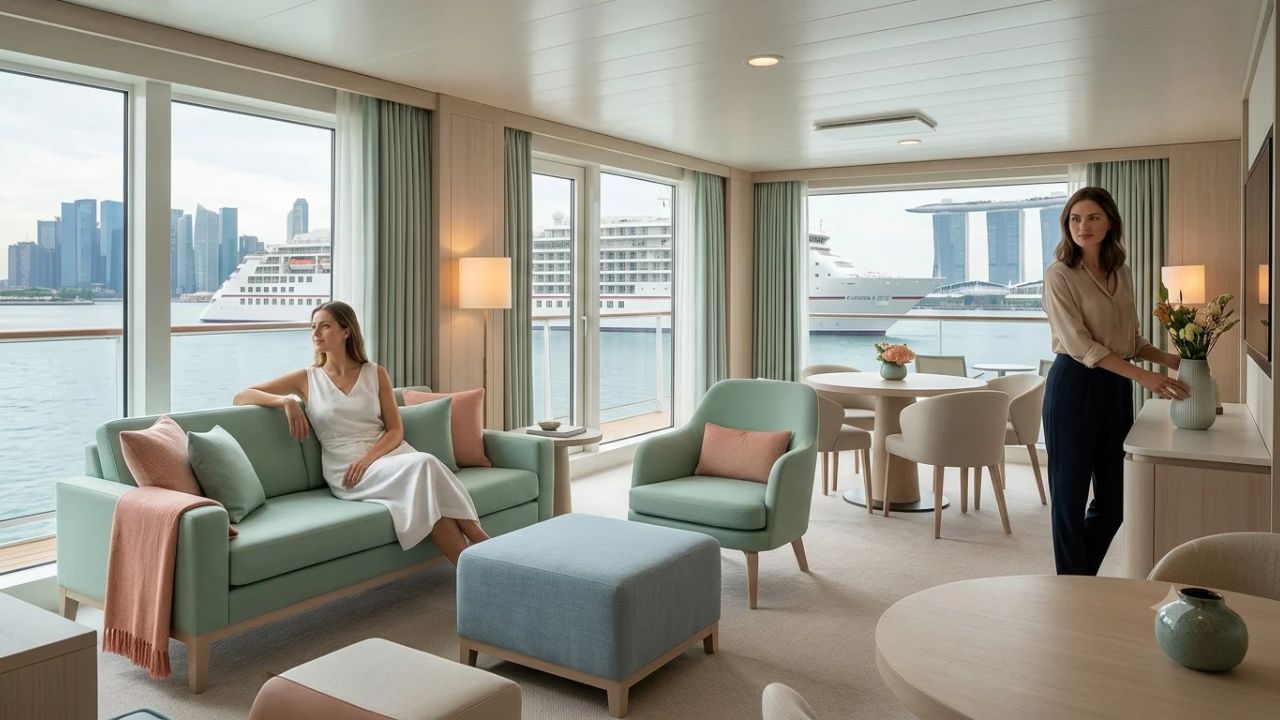
Viking Takes Delivery of Viking Haki: 190-Guest Longship Expands Rhine, Main, and Danube Fleet

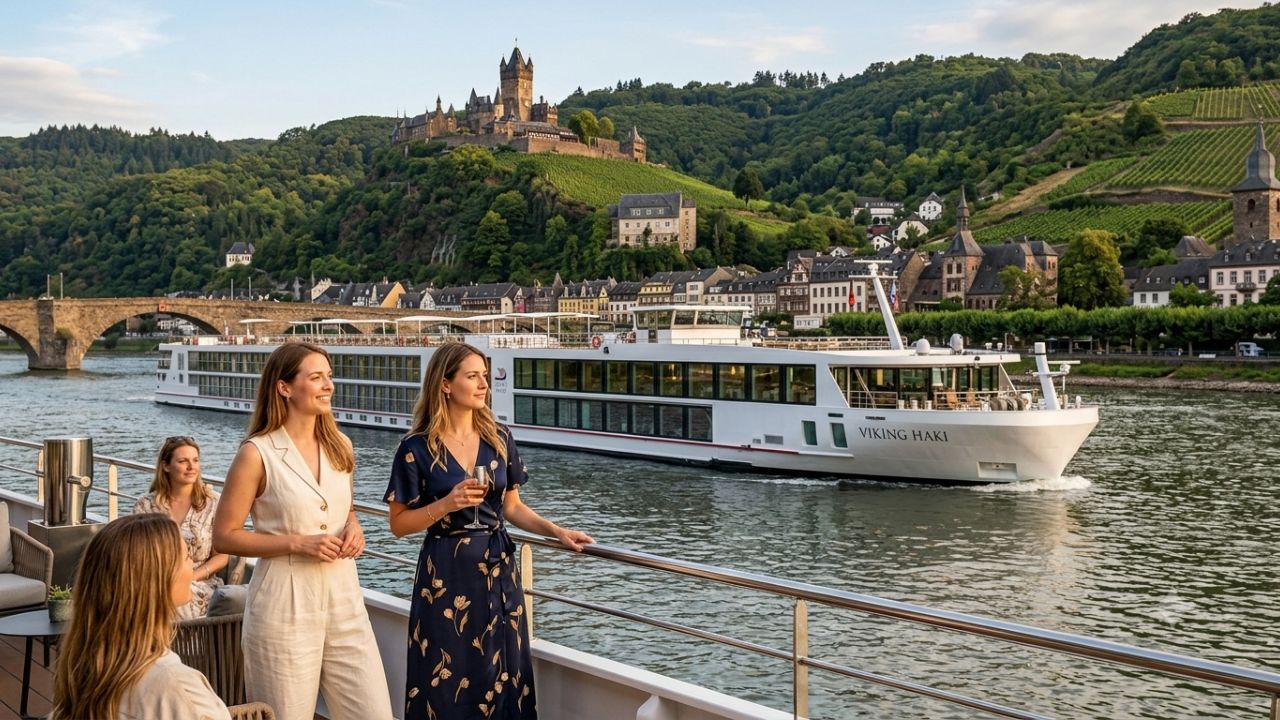
Viking has officially taken delivery of Viking Haki, a 190-guest Longship deployed across the Rhine, Main, and Danube waterways as part of an aggressive global shipbuilding program.
AMSTERDAM, November 3, 2026 — Viking has officially expanded its European inland waterway fleet with the delivery of Viking Haki, a state-of-the-art 190-guest river cruise vessel engineered to navigate the Rhine, Main, and Danube river corridors. Formally delivered on October 28, 2026, following a multi-ship international christening ceremony in Amsterdam, the 95-stateroom Longship represents the latest deployment in Viking's aggressive global shipbuilding pipeline, which projects the delivery of 17 additional river vessels by 2028 to reach an operating fleet of 114 river ships, alongside a planned global ocean and expedition fleet expanding to 28 vessels by 2032.
[!NOTE] Key Fleet Deployment Highlights for River Voyagers and Travel Advisors: Viking Haki joins the carrier's patented Longship class, accommodating 190 guests across 95 staterooms with Scandinavian-inspired interiors, an asymmetric corridor layout enabling two-room suites, and an indoor/outdoor Aquavit Terrace at the bow. Named in Amsterdam on October 15 alongside sister ship Viking Rota and five other vessels deployed across France and Egypt, Viking Haki will operate core European itineraries, including the eight-day Rhine Getaway, 15-day Grand European Tour, eight-day Danube Waltz, and springtime Tulips & Windmills voyages.
VIKING LONGSHIP STRUCTURAL & NAVAL TOPOLOGY
| Column 1 |
|---|
| [ BOW AREA: PATENTED SQUARE PROFILE ] |
| * Replaces traditional tapered bow to recover interior volume. |
| * Houses the Aquavit Terrace: Indoor/outdoor panoramic dining & viewing lounge. |
| [ DECK 3: UPPER DECK ] |
| * Veranda Suites (Genuine two-room suites with private veranda & French balcony). |
| * Veranda Staterooms (Floor-to-ceiling sliding glass doors). |
| * Asymmetric Corridor: Shifted off-center to create larger suite footprints on the port side. |
| [ DECK 2: MAIN DECK ] |
| * The Restaurant: Panoramic dining room serving regional specialties and classic American fare. |
| [ DECK 1: LOWER DECK ] |
| * Standard Staterooms (Waterline half-height picture windows). |
| * Crew accommodation, technical workshops, propulsion machinery, and provisions. |
| [ TECHNICAL SPECIFICATIONS ] |
| * Propulsion: Energy-efficient hybrid diesel-electric drive paired with bow thrusters. |
Architectural Blueprint of the Viking Longship: Patented Bows, Asymmetric Corridors, and Space Optimization
The introduction of Viking Haki reinforces the architectural influence of the Viking Longship platform, which transformed modern river ship design upon its debut in 2012. Inland waterway vessels operating on European rivers must conform to rigid physical boundaries dictated by the 135-meter length of continental river locks, the narrow 11.45-meter width of inland canals, and the overhead clearance of historic low-arched stone bridges. Within these unyielding parameters, naval architects historically struggled to provide spacious multi-room staterooms without severely sacrificing passenger capacity or dining room volumes.
Viking resolved this spatial challenge through two proprietary design innovations: the patented square bow and the asymmetric central corridor. Traditional river vessel hulls feature sharply pointed bows that create narrow, unusable dead zones at the forward end of the ship. Viking's patented square bow design broadens the forward hull line, recovering significant interior square footage. This structural innovation allows three full passenger decks to extend forward, creating the footprint for the Aquavit Terrace—an indoor and outdoor hospitality space positioned at the ship's prow, where floor-to-ceiling glass doors slide back to provide open-air panoramic dining and scenic viewing.
Concurrently, Viking introduced an asymmetric corridor configuration along passenger decks. Instead of running a straight, symmetrical hallway down the centerline of the vessel, the corridor is shifted off-center. This design maneuver creates stateroom footprints of differing depths on opposite sides of the ship. On the wider side of the corridor, Viking engineered genuine two-room suites featuring separate living rooms with private walk-out verandas, alongside separate bedrooms with French balconies. On the opposite side of the corridor, the reduced depth accommodates standard French Balcony staterooms equipped with full-height sliding glass doors. This asymmetric configuration allows Viking Haki to offer an array of accommodation categories—ranging from standard riverview staterooms on Deck 1 to spacious suites on Deck 3—while maintaining an efficient 190-guest capacity across 95 staterooms.
Under the waterline, the vessel utilizes an energy-efficient diesel-electric hybrid propulsion system. Modern computer-controlled generators produce electricity for directional azimuth thrusters and bow thrusters, reducing fuel consumption, minimizing localized emissions, and dampening the vibration and engine rumble traditionally experienced in aft staterooms.
Environmental sustainability represents another fundamental pillar of Viking Haki's technical design. The vessel is outfitted with rooftop solar panels installed across the Sun Deck, which generate supplementary renewable electricity to support onboard hotel loads and domestic utility systems. Concurrently, the ship features a closed-loop advanced membrane bioreactor wastewater purification plant that treats all blackwater and graywater produced onboard to rigorous ecological standards, allowing purified effluent to be discharged safely without impacting delicate aquatic habitats. When moored at equipped urban quays in ports like Amsterdam, Basel, and Vienna, Viking Haki connects directly to shore-based electrical grids through cold-ironing infrastructure, allowing the captain to shut down auxiliary diesel engines entirely to eliminate dockside emissions and atmospheric noise.
The Global Christening in Amsterdam: Seven Ships, Four Nations, and Travel Trade Honors
The formal delivery of Viking Haki on October 28, 2026, followed a multi-vessel christening ceremony staged on October 15 in Amsterdam. Demonstrating the global scope of its fleet expansion, Viking coordinated a synchronized international naming event connecting four sovereign nations: the Netherlands, France, Germany, and Egypt.
During the Amsterdam event, Viking celebrated the simultaneous commissioning of seven new river cruise vessels. Two sister ships—Viking Haki and Viking Rota—were docked side by side in Amsterdam harbor for the live ceremony, while five other vessels joined the festivities via high-definition live satellite broadcasts from their respective operational bases across Europe and North Africa. The ships honored during the global event reflect Viking's multi-regional operating strategy:
Viking Haki, Viking Rota, Viking Halogi, and Viking Sjofn were dedicated to Central European service across the Rhine, Main, and Danube waterways. Viking Fjolvar joined Viking's dedicated fleet navigating the Seine River in France, custom-built to dock in the heart of Paris near the Eiffel Tower. In Egypt, Viking Ptah was officially welcomed to the Nile River fleet, while sister ship Viking Sekhmet was named ahead of its scheduled commercial maiden voyages in 2027.
In keeping with maritime tradition, each vessel was assigned an official godmother chosen from distinguished partners across the travel industry. Viking Haki was christened by Carol Porter, co-owner of luxury travel advisory firm The Roaming Boomers, affiliated with the global Virtuoso luxury travel network. The appointment of leading travel advisors as vessel godparents highlights Viking's commercial reliance on third-party distribution channels. While consumer direct marketing drives brand awareness, independent travel advisors manage the complex logistics of matching travelers to specific itineraries, accommodation grades, and pre-cruise flight schedules, serving as a primary sales conduit for luxury river tourism.
Seven Vessels Named Across Europe and Egypt in October 2026
The simultaneous commissioning of seven river ships highlights the breadth of Viking's recent capital deployments. The following matrix details the operational focus and geographical placement of each newly christened vessel.
| Vessel Name | Primary Operational Corridor | Operating Nations / Waterways | Vessel Category | Commercial Status |
|---|---|---|---|---|
| Viking Haki | Rhine, Main, and Danube | Netherlands, Germany, Austria, Hungary | 190-guest Viking Longship | Delivered Oct 28, 2026; entering service |
| Viking Rota | Rhine, Main, and Danube | Netherlands, Germany, Austria, Hungary | 190-guest Viking Longship | Delivered Oct 7, 2026; entering service |
| Viking Halogi | Rhine, Main, and Danube | Central European waterway network | 190-guest Viking Longship | Christened Oct 15, 2026; operational |
| Viking Sjofn | Rhine, Main, and Danube | Central European waterway network | 190-guest Viking Longship | Christened Oct 15, 2026; operational |
| Viking Fjolvar | Seine River | France (Paris to Normandy coast) | Custom-length Seine Longship | Christened Oct 15, 2026; operational |
| Viking Ptah | Nile River | Egypt (Cairo, Luxor, Aswan) | Purpose-built Nile luxury ship | Christened Oct 15, 2026; operational |
| Viking Sekhmet | Nile River | Egypt (Cairo, Luxor, Aswan) | Purpose-built Nile luxury ship | Christened Oct 15, 2026; entering service 2027 |
The Scandinavian Aesthetic: Understated Minimalism and Destination-Centric River Voyaging
A defining characteristic of Viking Haki is its strict adherence to Scandinavian design principles. Unlike larger oceanic cruise liners that feature elaborate multi-story atriums, flashing casinos, and high-energy amusement attractions, Viking deliberately designs its river vessels as serene, destination-focused sanctuaries.
The interior decor is characterized by light blond birch and ash woods, clean architectural lines, open glass spaces, and neutral color palettes accented by subtle slate blues and soft grays. Natural daylight floods the vessel through expansive floor-to-ceiling windows positioned throughout public spaces, including the central Atrium, The Restaurant, and The Viking Lounge. This minimalist design philosophy intentionally focuses passenger attention outward toward the castles, riverbanks, and historic villages lining the waterway, rather than drawing focus inward.
Comfortable seating zones incorporate ergonomic Nordic furniture, woven wool throws, and custom Scandinavian artwork depicting regional landscapes and historic maritime motifs. Public venues are designed to facilitate quiet contemplation and intellectual engagement. The ship features an onboard library curated by London-based book retailer Heywood Hill, stocked with volumes exploring European history, regional art, literature, and geography. By pairing understated luxury with functional elegance, Viking creates an onboard ambiance that appeals to mature, culturally motivated travelers seeking relaxation and intellectual enrichment.
Core Operating Corridors: From Rhine Getaways to the 15-Day Grand European Trans-Continental Route
Viking Haki has been assigned to rotate through Viking's most popular European itineraries, delivering increased passenger capacity along core waterway routes. Two of the ship's primary operational programs encompass the Rhine Getaway and the trans-continental Grand European Tour.
The eight-day Rhine Getaway operates between Amsterdam in the Netherlands and Basel in Switzerland, offering departures in both northbound and southbound directions. Traversing four nations—the Netherlands, Germany, France, and Switzerland—the journey immerses travelers in iconic European landscapes. In the Netherlands, passengers visit the historic Kinderdijk windmill complex, an extraordinary UNESCO World Heritage site preserving 18th-century hydraulic engineering. In Germany, the vessel calls at Cologne, allowing guests to explore the towering twin spires of the Gothic Cologne Cathedral. Further south, the itinerary navigates the UNESCO-inscribed Middle Rhine Gorge, where forty medieval castles and fortress ruins cling to precipitous slate cliffs above the river. The voyage also explores the historic French region of Alsace via calls in Strasbourg, showcasing the architectural blend of German timbered houses and French neoclassical boulevards.
For travelers seeking a deeper European journey, Viking Haki will operate the 15-day Grand European Tour. Spanning the entire breadth of Central Europe between Amsterdam and Budapest, this epic trans-continental voyage connects the Rhine, Main, and Danube rivers via the engineering marvel of the Main-Danube Canal. Over fifteen days, guests travel through the Netherlands, Germany, Austria, and Hungary without changing hotel rooms. The voyage encompasses the preserved medieval architecture of Bamberg, the Baroque magnificence of the Würzburg Residenz, the imperial monuments of Vienna, and the dramatic river bluffs of the Wachau Valley before culminating beneath the illuminated bridges of Budapest.
Central European Waterways: Navigating the Danube Waltz and Springtime Tulips & Windmills
In addition to its Rhine deployments, Viking Haki will operate throughout Central Europe on Viking's eight-day Danube Waltz itinerary. Operating between Budapest in Hungary and Passau in Germany, the voyage serves as a premier showcase of Central European art, architecture, and music.
Departing Budapest, passengers cruise past the Hungarian Parliament and the royal palaces of Buda before transiting into Slovakia for a dedicated port call in Bratislava. In Vienna, the itinerary provides opportunities to attend classical concerts featuring the works of Mozart and Strauss in historic imperial halls, alongside visits to the Hofburg Palace and the Kunsthistorisches Museum. West of Vienna, the vessel navigates the Wachau Valley, stopping at the Benedictine Abbey of Melk, an 18th-century Baroque masterpiece perched high above the river, before concluding in the Bavarian city of Passau at the confluence of the Danube, Inn, and Ilz rivers.
During the early spring season, Viking Haki will transition to the waterways of the Low Countries to operate Viking's celebrated Tulips & Windmills itinerary. Operating roundtrip from Amsterdam, this seasonal voyage explores the maritime heritage, canal networks, and horticultural traditions of the Netherlands and Belgium. Cruising through the Dutch polders and along the Scheldt River, passengers witness the vibrant spring blooming cycle, featuring dedicated excursions to the world-famous Keukenhof gardens, where millions of tulips, daffodils, and hyacinths create extraordinary floral displays. Port calls in Antwerp, Ghent, and Bruges introduce travelers to Flemish Renaissance architecture, medieval guildhalls, and centuries-old art masterworks by Jan van Eyck and Peter Paul Rubens.
Festive Winter Operations: Managing European Christmas Market Schedules and Municipal Logistics
As the autumn foliage fades, Viking Haki will transition into festive winter operations, sailing specialized Christmas Market itineraries along the Rhine and Danube. Christmas market cruising has grown into one of the most commercially resilient segments of European winter tourism, attracting travelers eager to experience ancient holiday traditions in historic urban squares.
During these December sailings, passengers disembark directly into the heart of historic cities adorned with holiday illuminations. In Cologne, Nuremberg, Vienna, and Strasbourg, centuries-old market squares fill with wooden stalls selling hand-carved ornaments, artisanal glassware, roasted chestnuts, gingerbread, and steaming mugs of spiced Glühwein. The close proximity of river quays to historic city centers allows passengers to explore illuminated markets well into the evening, returning to the warm comfort of the ship for dinner and evening cultural presentations.
However, operating winter river voyages requires careful logistical coordination. Christmas markets operate under individual municipal calendars, with opening dates and operating hours established by municipal city councils rather than cruise lines. While major markets in Cologne and Vienna typically open in mid-November and operate through Christmas Eve, smaller regional markets in towns like Rothenburg or Regensburg may operate only on specific weekends. Viking advises passengers booking festive sailings to review municipal market dates to confirm that local square festivities coincide with their port arrival schedules.
Long-Range Orderbook Dynamics: Scaling Toward a 114-Ship River Fleet by 2028
The arrival of Viking Haki represents a single milestone within an unprecedented, multi-billion-dollar global shipbuilding program. In an industry where fleet expansion is often tempered by market caution, Viking continues to aggressively scale its maritime capacity across river, ocean, and expedition categories.
Following the delivery of Viking Rota on October 7 and Viking Haki on October 28, Viking's official corporate disclosures confirm that the company maintains firm contractual orders for 17 additional river cruise vessels scheduled for delivery through 2028. Upon completion of this construction program, Viking's global river fleet will expand to 114 ships, solidifying its position as the dominant passenger river cruise operator worldwide.
Concurrently, Viking is executing a parallel expansion across ocean and expedition cruising. The company's committed orderbook includes 11 additional ocean ships scheduled for delivery through 2032, alongside two purpose-built expedition ships slated for completion by 2031. This multi-year pipeline will expand Viking's combined ocean and polar expedition fleet to 28 vessels by 2032. By maintaining identical naval architecture within each vessel class, Viking achieves extraordinary operational efficiencies in technical maintenance, crew training, provisioning, and shoreside marketing.
The industrial execution of Viking's massive shipbuilding pipeline is anchored by long-standing European shipyard partnerships, predominantly with the specialized Neptun Werft facility in Rostock, Germany. Neptun Werft has perfected modular assembly techniques for the Viking Longship series, utilizing prefabricated cabin blocks and standardized propulsion modules that enable rapid, high-precision construction schedules without compromising structural integrity. This industrial continuity provides Viking with predictable capital expenditure models and consistent vessel reliability across hundreds of river transits. For European maritime engineering, Viking's commitment of seventeen additional newbuilds through 2028 provides sustained economic stability for thousands of specialized shipwrights, electrical engineers, and maritime craftsmen throughout northern Germany and the broader European inland maritime supply cluster.
VIKING GLOBAL FLEET GROWTH PROJECTIONS
| Column 1 |
|---|
| [ RIVER CRUISE FLEET ] |
| * Committed Future Orderbook: 17 additional river vessels by 2028 |
| * Projected 2028 Operating River Fleet: 114 ships globally |
| [ OCEAN & EXPEDITION FLEET ] |
| * Ocean Newbuilds on Order: 11 additional ocean ships through 2032 |
| * Expedition Newbuilds on Order: 2 additional polar-class vessels through 2031 |
| * Projected 2032 Combined Ocean/Expedition Fleet: 28 ships globally |
Elevating the Shore Product: Zeppelin Airship Flights and Immersive European Land Extensions
Viking's commercial strategy extends beyond expanding ship hulls; the company is actively reimagining destination experiences through innovative shore excursions and high-end land extensions. In June 2026, Viking unveiled a series of premium excursion programs designed to provide unique perspectives on European geography and heritage.
Among the most notable additions is the introduction of scenic Zeppelin NT airship flights on selected Rhine itineraries. Operating from Friedrichshafen and flying over the rolling vineyards and medieval castles of the Rhine and Lake Constance regions, the rigid airship provides passengers with an unforgettable aerial vantage point, gliding quietly at low altitudes above terraced hillsides and winding waterways. This exclusive aviation experience combines modern aeronautical technology with historic European exploration.
In addition, Viking has expanded its pre-cruise and post-cruise land extension portfolio. Travelers booking European river voyages can choose from fully escorted multi-night packages that explore destinations situated beyond river navigable channels. Programs include guided stays in the Bavarian Alps exploring Neuschwanstein Castle, extended culinary tours of the French culinary capital of Lyon, and private historical explorations of historic Prague and Berlin. These land programs include luxury hotel accommodations, high-speed rail transfers, and dedicated Viking tour directors, allowing guests to extend their vacation seamlessly while maintaining consistent service standards.
Practical Traveler and Advisor Guide: Booking Protocols, Vessel Assignments, and Seasonal Realities
For travelers and travel professionals planning a European river journey aboard Viking Haki or its sister Longships, adhering to a structured booking protocol ensures a smooth, well-managed travel experience:
- Verify Ship Assignment Against Itinerary Portfolios: While Viking Haki is confirmed to operate within the Rhine Getaway, Grand European Tour, Danube Waltz, and Tulips & Windmills families, Viking operates dozens of identical Longships across these routes. Travelers wishing to sail specifically aboard Viking Haki should confirm the assigned vessel name in their booking reservation rather than assuming every departure features the newest hull.
- Understand the Longship Suite Configuration: Travel advisors should clearly explain the differences between stateroom grades to clients. Explain that Veranda Suites on Deck 3 feature true two-room layouts with a separate living room and exterior balcony, while French Balcony staterooms feature sliding glass doors opening directly to the river breeze without an exterior step-out deck.
- Plan for Seasonal Hydrological Realities: European rivers experience dynamic seasonal water level fluctuations, including summer low water or spring high water from alpine snowmelt. While Viking's fleet size provides immense operational resilience—allowing seamless ship-to-ship transfers when shallow sectors arise—travelers should remain informed regarding waterway depth reports via regional authorities like viadonau.
- Review Document Validity and Entry Requirements: Ensure international passports carry at least three to six months of validity beyond your scheduled return date. Travelers crossing between Hungary, Slovakia, Austria, Germany, and the Netherlands must adhere to Schengen Area 90/180-day stay regulations and keep original travel documents accessible during river border transits.
- Book High-Demand Excursions Early: Signature shore activities—such as classical Viennese evening concerts, Zeppelin airship flights, and private culinary workshops—have limited capacities. Passengers should access Viking's digital guest portal months prior to sailing to reserve preferred excursion time slots.
Frequently Asked Questions About Viking Haki and Viking's European River Fleet
What is Viking Haki and when was it delivered?
Viking Haki is a state-of-the-art 190-guest European river cruise vessel belonging to Viking's Longship class. Viking officially announced the delivery of Viking Haki on October 28, 2026, following its participation in a multi-ship international christening ceremony held in Amsterdam on October 15, 2026.
How many staterooms and passengers does Viking Haki accommodate?
Viking Haki features 95 outside staterooms across three full passenger decks, accommodating a maximum of 190 guests. Accommodations range from standard riverview cabins on the lower deck to French Balcony staterooms and expansive two-room Veranda Suites on the upper decks.
Which European rivers and itineraries will Viking Haki sail?
Viking Haki will operate across the Rhine, Main, and Danube river networks. Confirmed itineraries include the eight-day Rhine Getaway between Amsterdam and Basel, the 15-day Grand European Tour between Amsterdam and Budapest, the eight-day Danube Waltz between Budapest and Passau, springtime Tulips & Windmills voyages in the Netherlands and Belgium, and seasonal festive Christmas Market cruises.
What is unique about the Viking Longship design?
Viking Longships incorporate two patented naval design innovations: a square bow that recovers interior hull volume to accommodate the indoor/outdoor Aquavit Terrace at the ship's prow, and an asymmetric corridor layout that allows for genuine two-room suites with private verandas on one side of the ship and French Balcony staterooms on the other.
How large will Viking's river fleet become in the future?
Following the deliveries of Viking Rota and Viking Haki in October 2026, Viking maintains firm contractual orders for 17 additional river cruise vessels scheduled for delivery through 2028. This expansion program will bring Viking's operating river fleet to 114 ships worldwide by 2028, alongside a projected combined ocean and expedition fleet of 28 vessels by 2032.
Related Travel Guides
- Royal Caribbean Extends Labadee Haiti Cruise Suspension Through April 2028: Caribbean Itineraries Diverted
- Century Cruises Launches Century Star: Concordia Damen Hybrid Ship Debuts Luxury Yangtze-European Fusion
- Century Cruises Enters European Market with Century Star Debut on Danube and Rhine Routes
- Australia Cruise Travel Protections Under Scrutiny as Southern Hemisphere Markets Clash on Refunds and Medical Rescues
- China Eastern Airlines Expands Winter 2026–2027 Network with 180+ Global Routes and Premium Service Upgrades
This article is for informational purposes. Flight routes, passenger regulations, visa rules, and transit advisories are subject to change by airlines and aviation authorities. Readers are advised to verify schedules and travel documentation with relevant carriers and border agencies before departure.
Related Stories
Century Cruises Launches Century Star: Concordia Damen Hybrid Ship Debuts Luxury Yangtze-European Fusion
Century Cruises Enters European Market with Century Star Debut on Danube and Rhine Routes