
Vietnam Health Alert: Rising Pneumococcal Infections and Antibiotic Resistance Spark Travel Concerns
A surge in serious bacterial infections and increasing antimicrobial resistance in Vietnam is prompting health authoriti

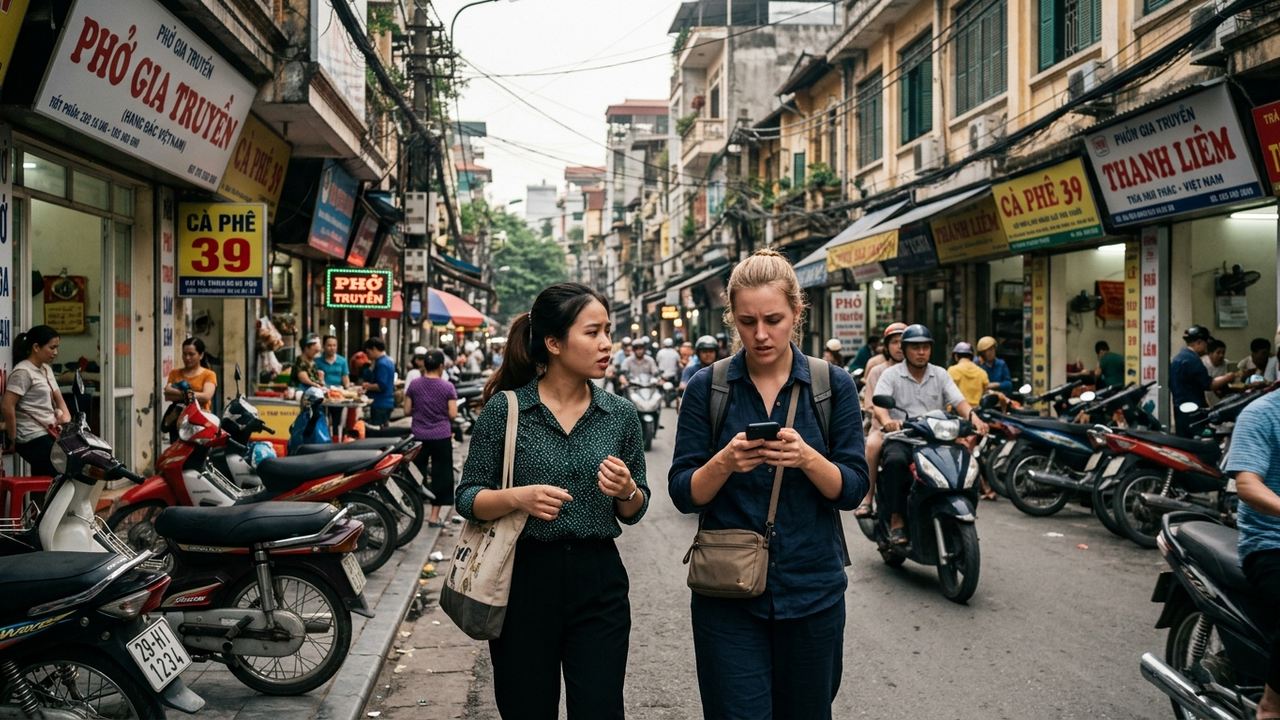
Image generated by AI
Respiratory Health Risks in Vietnam’s Urban Centers
Health authorities in Vietnam have issued a critical alert following a steady increase in serious bacterial infections, specifically those caused by Streptococcus pneumoniae. The trend is most pronounced in pediatric populations, with hospitals in major hubs such as Hà Nội and Ho Chi Minh City reporting a higher volume of severe respiratory and neurological illnesses.
While the most acute cases are concentrated among children, the alert serves as a necessary precaution for all travelers, long-term expatriates, and medical tourists. Data from national health institutions under the Ministry of Health indicates that the bacteria's prevalence in crowded urban environments poses a broader exposure risk to the general public.
The Impact of Streptococcus Pneumoniae on Pediatric Health
Surveillance data reveals that Streptococcus pneumoniae remains a primary driver of invasive bacterial diseases in young children. The speed at which these infections can escalate from mild symptoms to critical conditions is a primary concern for clinicians.
Key clinical observations include:
- Neurological Impact: High incidence of bacterial meningitis in children under the age of five.
- Severe Respiratory Distress: Frequent hospitalizations for bloodstream infections and severe pneumonia.
- Critical Care Demand: A growing number of cases requiring intensive care unit (ICU) support and advanced life-support interventions.
Understanding Exposure Risks for International Visitors
Although children are the most vulnerable, the mechanisms of transmission make the risk relevant to all visitors. The high density of Vietnam's urban centers, combined with regional climate conditions, facilitates the circulation of respiratory bacteria.
Travelers should be particularly mindful of high-traffic areas, including:
- Crowded Hubs: Local markets, public transportation, and popular tourist districts.
- Asymptomatic Spread: The bacteria can be carried by individuals who show no outward signs of illness, making detection difficult.
- High-Risk Demographics: Infants, elderly travelers, and individuals with pre-existing chronic health conditions face a significantly higher risk of complications.
The Challenge of Antimicrobial Resistance
A complicating factor in the current health landscape is the rise of antimicrobial resistance (AMR). Many circulating strains of Streptococcus pneumoniae are becoming resistant to standard antibiotics, which complicates treatment and worsens patient outcomes.
The implications of drug resistance include:
- Reduced Efficacy: Standard first-line antibiotic treatments may fail to resolve the infection.
- Complex Treatment Regimens: Patients may require stronger, more aggressive, or combination therapies.
- Extended Recovery: Increased duration of hospital stays and more resource-intensive care.
Community Transmission and "Silent Carriage"
Health officials have identified "silent carriage" as a major driver of the ongoing outbreak. Many individuals carry the bacteria in their respiratory tract without experiencing symptoms, allowing the pathogen to spread undetected through households and communities. This pattern of transmission is especially prevalent in densely populated residential areas, contributing to the overall infection risk for anyone spending extended time in Vietnamese cities.
Preventive Measures and Vaccination Guidance
To combat the rise in infections, Vietnam has strengthened its national immunization programs. Health experts emphasize that vaccination is the most effective defense against severe pneumococcal disease.
For those planning a trip to Vietnam, the following preventive steps are recommended:
- Vaccination Review: Verify and update pneumococcal and respiratory vaccinations before departure.
- Professional Consultation: Seek a medical travel advisory, especially when traveling with children or elderly family members.
- Hygiene Protocols: Maintain strict hand hygiene and avoid unnecessary prolonged exposure in extremely crowded, poorly ventilated settings.
Implications for Tourism and Medical Travel
This health alert is intended to foster awareness rather than discourage visitation. Vietnam remains a premier destination for global tourism and medical travel; however, the evolving health environment requires a proactive approach. Visitors should be aware that while urban medical facilities are advanced, they may experience increased pressure during infection surges, and antibiotic resistance may complicate the treatment of acquired illnesses.
Data Summary: Pneumococcal Infection Risks
| Risk Factor | Impact/Observation | Affected Population |
|---|---|---|
| Primary Pathogen | Streptococcus pneumoniae | General Population (High risk in children) |
| Severe Conditions | Meningitis, Severe Pneumonia, Bloodstream Infections | Children < 5, Immunocompromised |
| Transmission Driver | Asymptomatic "Silent" Carriage | Urban residents and visitors |
| Treatment Hurdle | Antimicrobial Resistance (AMR) | All infected patients |
| High-Risk Areas | Hà Nội, Ho Chi Minh City, Crowded Markets | All travelers |
Key Takeaways
- Rising Infections: There is a documented increase in Streptococcus pneumoniae cases in Vietnam, particularly in major cities.
- Pediatric Vulnerability: Children under five are at the highest risk for meningitis and severe pneumonia.
- Drug Resistance: Increasing antibiotic resistance is making infections harder to treat and prolonging recovery.
- Silent Spread: Asymptomatic carriers facilitate the spread of bacteria in crowded urban environments.
- Prevention is Key: Vaccination and updated medical travel advisories are strongly recommended for all visitors.
FAQ
Is it safe to travel to Vietnam? Yes, Vietnam remains a safe and popular destination. However, travelers are advised to be aware of current respiratory health risks and ensure their vaccinations are up to date.
Who is most at risk for these infections? The highest risk is found in children under five, the elderly, and individuals with chronic lung, liver, or kidney diseases, as well as those with weakened immune systems.
What should I do to prepare for my trip? Consult a healthcare provider regarding the pneumococcal vaccine and review the latest medical travel advisories for Southeast Asia.
Related Travel Guides
Disclaimer
This article is for informational and educational purposes only. It does not constitute legal, financial, or professional advice. While we strive to provide accurate and up-to-date information, travel policies, regulations, and conditions change rapidly. Always verify information with official sources before making travel decisions. Nomad Lawyer makes no representations about the accuracy, reliability, completeness, or suitability of the information provided. Readers should consult qualified professionals for advice specific to their circumstances. The views expressed in this article are those of the author and do not necessarily reflect the views of Nomad Lawyer.
Kunal K Choudhary
Co-Founder & Contributor
A passionate traveller and tech enthusiast. Kunal contributes to the vision and growth of Nomad Lawyer, bringing fresh perspectives and driving the community forward.
Learn more about our team →