
In a Bizarre Trend, People Are Wearing Winter Coats, Scarves, and Umbrellas as Vietnam Heatwave Pushes Hanoi Past 40 C Turning The City Into a Scorching Battle – New Update You Need to Know
Hanoi temperatures surpass 40°C as Vietnam heatwave 2026 forces residents to wear winter coats and scarves for UV protec

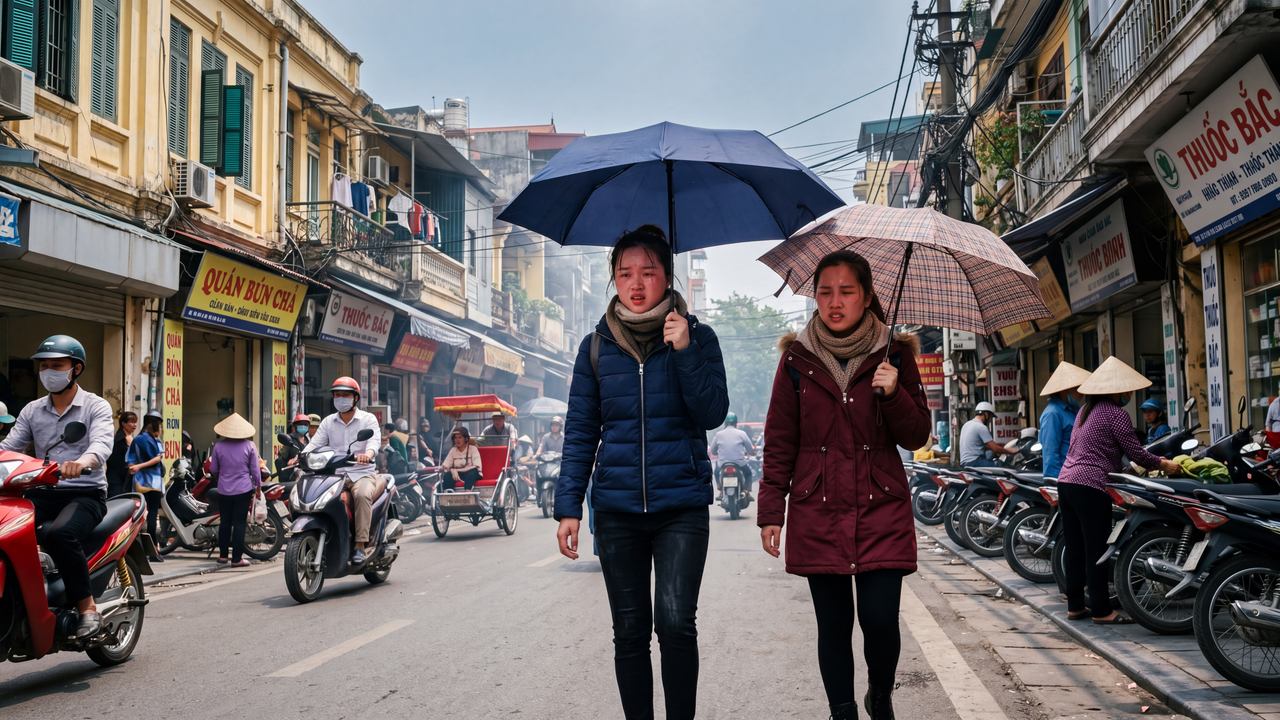
Image generated by AI
[Hanoi, June 28, 2026] — A severe Vietnam heatwave has pushed temperatures in Hanoi beyond 40°C, triggering a surprising shift in local attire as residents adopt heavy clothing and winter gear to shield themselves from extreme UV radiation. This climatic surge is fundamentally altering the daily rhythms of the capital, impacting everything from workforce productivity to the movement of international tourists.
The current weather crisis is not an isolated event but part of a broader Asia heatwave 2026 pattern. As the city grapples with soaring heat, the urban environment—characterized by concrete roads and dense infrastructure—has created a "heat island" effect, making the perceived temperature significantly higher than official readings. This has forced a widespread adaptation in how citizens navigate the city, with a marked increase in the use of protective layering and shade-seeking behaviors.
Urban Adaptation and the Search for Shade in Hanoi
By late morning, the bustling energy of Hanoi typically dips as the sun reaches its peak. Industry observers note that the city's streets become noticeably quieter during these hours, as the heat radiating from the pavement becomes nearly unbearable.
Motorcyclists, the primary mode of transport in the city, are increasingly seen congregating under flyovers, large trees, and any available architectural shade. These brief refuges at traffic intersections have become essential for commuters to recover before continuing their journeys. Similarly, office employees are altering their midday routines, utilizing umbrellas and face coverings to make the short trip between their workplaces and local eateries.
The Logic Behind Summer Winter-Wear
To outside observers, the sight of people wearing thick jackets, scarves, and gloves in 40°C weather appears contradictory. However, reports indicate that this is a calculated strategy for UV protection. Many residents believe that heavy, full-coverage clothing provides a more effective barrier against the harsh sun than lightweight summer fabrics, which may allow UV rays to penetrate.
The current "protective wardrobe" seen across the city typically includes:
| Protective Item | Primary Function |
|---|---|
| Umbrellas | Creating portable shade while walking or idling at lights |
| Face Masks & Scarves | Shielding sensitive facial skin from direct exposure |
| Sunglasses | Reducing glare and protecting eyes from high UV levels |
| Driving Gloves | Preventing sunburn on hands during long commutes |
| Thick Long-Sleeve Jackets | Providing a comprehensive physical barrier against radiation |
| Wide-Brimmed Hats | Offering additional coverage for the head and neck |
High-Risk Exposure for Outdoor Workers
The most severe impact of the Vietnam heatwave is felt by the city's outdoor workforce. Ride-hailing drivers, who spend the majority of their shifts exposed to the elements, have had to innovate to survive the shift. One 29-year-old driver reported that he now keeps a handheld umbrella open even while stopped at red lights to prevent heatstroke.
Similarly, the city's infrastructure is maintained by construction workers and delivery personnel who face constant exposure. Small patches of roadside shade have been transformed into makeshift resting zones, where workers take short, necessary breaks to regulate their body temperature before returning to their tasks.
Shifts in Family and Student Routines
The extreme weather is also influencing the habits of the younger generation and families. University students report that the heat has negatively impacted their appetite and general well-being. To mitigate health risks, many are abandoning walking in favor of taxis and ride-sharing services. When pedestrians are forced to walk, the use of high-SPF sunscreen and frequent hydration breaks has become mandatory.
Parents are exercising extreme caution with infants. It is now common to see babies shielded by lightweight, breathable cloths that block direct sunlight while maintaining enough airflow to prevent overheating, demonstrating a community-wide effort to protect the most vulnerable from the 2026 heat surge.
Impact on Hanoi Tourism and Sightseeing
Despite the oppressive conditions, international tourism in Hanoi continues, though the patterns of exploration have shifted. Around the iconic Hoan Kiem Lake, visitors are still utilizing traditional cyclo rides, though almost all are now accompanied by umbrellas.
Data suggests a significant drop in foot traffic at major intersections and tourist hubs around noon. Visitors and locals alike are opting to remain indoors or in air-conditioned spaces during the peak heat, resuming their activities only after the temperature begins to dip in the late afternoon.
Why This Matters: The Broader Aviation and Travel Perspective
The situation in Hanoi serves as a critical case study for the travel industry regarding the "new normal" of extreme weather in Asia. This is no longer just a matter of seasonal discomfort but a logistical challenge that affects health, safety, and the overall tourist experience.
From an industry perspective, the Asia heatwave 2026 highlights a growing need for "climate-aware" itinerary planning. For travel operators and aviation hubs, this means recognizing that traditional sightseeing windows are shrinking. The shift toward "split-day" tourism—where activities are concentrated in the early morning and late evening—will likely become the standard for destinations facing similar climatic pressures.
Furthermore, the adoption of heavy clothing for UV protection underscores a cultural approach to climate resilience that differs from Western norms. For the travel sector, this suggests that health advisories for visitors should emphasize not just hydration, but physical shielding and the use of UV-protective gear to avoid severe burns and heat-related illnesses.
Related Travel Guides
Disclaimer
This article is for informational and educational purposes only. It does not constitute legal, financial, or professional advice. While we strive to provide accurate and up-to-date information, travel policies, regulations, and conditions change rapidly. Always verify information with official sources before making travel decisions. Nomad Lawyer makes no representations about the accuracy, reliability, completeness, or suitability of the information provided. Readers should consult qualified professionals for advice specific to their circumstances. The views expressed in this article are those of the author and do not necessarily reflect the views of Nomad Lawyer.
Raushan Kumar
Founder & Lead Developer
Full-stack developer with 11+ years of experience and a passionate traveller. Raushan built Nomad Lawyer from the ground up with a vision to create the best travel and law experience on the web.
Learn more about our team →