
Travel Storm Scotland: Flow Country UNESCO Boom Reshapes Remote Peatland
Scotland's Flow Country peatland faces unprecedented tourism surge following 2026 UNESCO World Heritage designation. Conservation authorities balance sustainable travel growth with protecting Europe's most extensive blanket bog ecosystem.

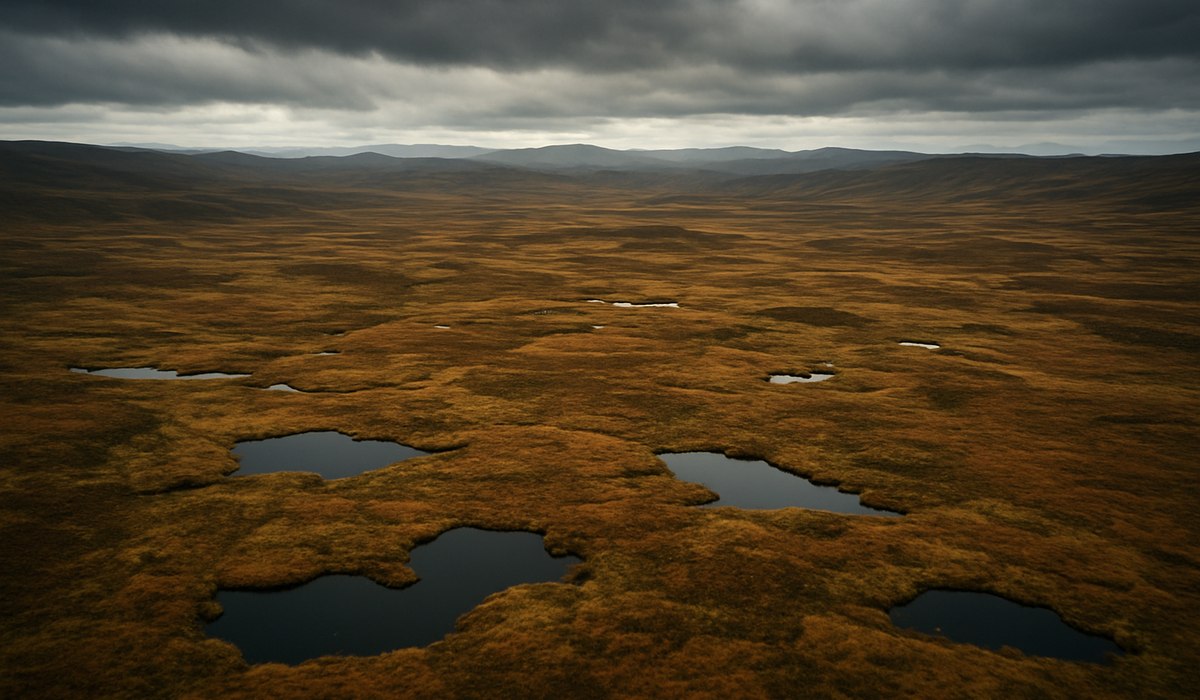
Image generated by AI
UNESCO Recognition Ignites Scottish Peatland Tourism Surge
Scotland's Flow Country is experiencing an unexpected tourism explosion following its 2024 UNESCO World Heritage Site designation, transforming a remote northern wilderness into a global conservation destination. The expansive blanket bog stretching across Caithness and Sutherland now attracts eco-tourists, climate researchers, and sustainability-focused travelers seeking authentic nature experiences. Regional tourism authorities report a measurable uptick in international inquiries about this formerly obscure landscape, challenging local communities and conservation groups to develop sustainable infrastructure while protecting one of Europe's most ecologically fragile environments.
Remote Peatland Thrust Into Global Spotlight
The Flow Country occupies a unique position in Europe's natural heritage. Spanning approximately 400,000 hectares, it represents the continent's most extensive blanket bog and one of the world's largest carbon storage systems. This landscape of rolling peatlands, pristine bog pools, and rare birdlife creates a living record spanning thousands of years of peat accumulation and climate history.
The 2024 UNESCO designation marked a watershed moment. Flow Country became the first peatland landscape recognized as a World Heritage Site, cementing its status as a globally significant nature destination. This recognition has sparked international attention from climate scientists, conservation volunteers, and travelers interested in nature-based climate solutions. Early visitor numbers remain modest compared to Scotland's famous mountain and island destinations, yet tourism boards confirm sustained growth in booking inquiries and media coverage positioning the region as an emerging pilgrimage site for low-carbon nature travel.
Visit the VisitScotland tourism board for official travel planning resources and current conditions.
The UNESCO Effect: From Obscurity to Eco-Tourism Destination
The transformation of travel storm Scotland dynamics reflects broader shifts in global tourism preferences. Visitors increasingly seek destinations offering environmental credentials, small-scale experiences, and opportunities to support conservation efforts directly. The Flow Country embodies these aspirations through guided walks, birdwatching expeditions, dark skies viewing, and restoration volunteering programs.
Forsinard Flows National Nature Reserve has expanded interpretation facilities to accommodate growing visitor interest. Local tourism operators are developing experiences that emphasize education about peatland restoration and climate science. Tourism marketing across the region now positions the Flow Country as a flagship sustainable destination, attracting travelers willing to spend multiple days exploring this distinctive landscape rather than pursuing rapid peak-season visits.
However, this rapid ascent presents a paradox. The very factors making travel storm Scotland peatlands valuable—their pristine isolation and ecological sensitivity—become vulnerable under increased human pressure. Conservation research consistently documents how unmanaged visitor growth fragments habitats, disturbs wildlife populations, and erodes environmental integrity at World Heritage Sites.
Check TripAdvisor reviews for recent visitor experiences and current conditions before planning your journey.
Infrastructure Challenges in a Fragile Landscape
The Flow Country presents extraordinary infrastructure constraints. The region features sparse accommodation, scattered communities, limited road networks, and virtually no heavy tourism infrastructure. This remoteness historically protected the peatland but now complicates tourism development.
Peatland surfaces function as living sponges of waterlogged mosses and vegetation. Even modest impacts—informal pathways, concentrated foot traffic, or vehicle pressure—risk permanent surface erosion and drainage disruption. Planners must therefore carefully control visitor access points, parking locations, and road development to minimize ecological footprints.
Regional authorities are deliberately promoting dispersed, low-density tourism models emphasizing small group experiences, extended stays, and public transportation over private vehicle use. Rail and bus connections to the Flow Country are being expanded to reduce carbon emissions and concentrate visitor flows on managed corridors rather than scattered access points.
Balancing Conservation With Sustainable Travel Growth
Protecting travel storm Scotland destinations requires delicate equilibrium between conservation and economic development. The Flow Country landscape sits amid competing pressures including proposed wind farms, telecommunications infrastructure, and other regional development schemes. Planning authorities are actively steering industrial projects away from the most sensitive peatland areas while attempting to accommodate renewable energy objectives.
Local stakeholders recognize that thoughtfully managed tourism can generate economic benefits supporting conservation funding and community development. However, unconstrained visitor growth would fundamentally compromise the ecosystem values that drive tourism appeal. This tension defines current policy discussions throughout Caithness and Sutherland.
Conservation organizations are collaborating with tourism operators to establish visitor capacity limits, seasonal access restrictions, and infrastructure standards ensuring that tourism growth remains compatible with peatland integrity. These frameworks typically emphasize education, small-group experiences, and direct participation in habitat restoration work, converting visitors into active conservation participants rather than passive consumers.
Best Time to Visit
The Flow Country offers year-round experiences with distinct seasonal advantages. Late spring through early autumn (May-September) provides optimal conditions for walking, birdwatching, and wildlife observation, with extended daylight hours and moderate temperatures. Summer brings migratory bird populations and lush vegetation growth. Winter visits offer dramatic dark skies viewing, though weather becomes more unpredictable and daylight limited.
Shoulder seasons (April-May and September-October) deliver manageable visitor numbers, comfortable walking conditions, and fewer crowds than peak summer months. Many conservation groups recommend these periods as ideal for experiencing the landscape while minimizing ecological pressure.
How to Get There
Reaching the Flow Country requires multi-modal travel reflecting the region's remote character. Most international visitors arrive via Edinburgh or Glasgow airports, then travel northward. The journey typically involves either a five-to-seven-hour driving route via the A9 motorway or a scenic railway journey using the Far North Line from Inverness to Thurso.
From Inverness, the A9 motorway leads directly north toward Caithness. Allow five hours driving time to Thurso or nearby Wick. Car rental provides maximum flexibility for exploring the landscape, though public transportation options are expanding. The ScotRail Far North Line offers daily service from Inverness, with trains connecting to bus networks serving regional attractions including Forsinard Flows.
Once in the area, guided tour operators, local tourism centers, and accommodation providers can arrange access to specific peatland sites. Book accommodations well in advance during peak seasons, as lodging remains limited across the region. The nearest larger towns—Thurso and Wick—offer basic services and information centers.
Key Facts: Flow Country World Heritage Site
| Aspect | Details |
|---|---|
| Total Area | Approximately 400,000 hectares of blanket bog |
| Geographic Location | Caithness and Sutherland, northern Scotland |
| UNESCO Designation Year | 2024 (first peatland World Heritage Site) |
| Carbon Storage Capacity | One of Earth's largest terrestrial carbon stores |
| Primary Habitat Type | Blanket bog with bog pools and rare vegetation |
| Key Visitor Site | Forsinard Flows National Nature Reserve |
| Visitor Season Peak | May-September |
| Main Activities | Guided walks, birdwatching, dark skies viewing, restoration volunteering |
| Regional Tourism Board | VisitScotland Highlands and Islands |
What This Means for Travelers
The Flow Country's UNESCO designation creates genuine opportunities for meaningful nature experiences while introducing important responsibilities:
-
Book guided experiences through established operators to ensure your visit supports conservation efforts and follows sustainable protocols rather than fragmenting habitats through unstructured exploration.
-
Plan extended stays emphasizing quality over quantity—multi-day visits allow deeper immersion in peatland ecology without concentrated pressure on sensitive areas.
-
Use public transportation whenever possible, choosing rail and bus options over private vehicles to minimize carbon footprints and reduce road pressure on the landscape.
-
Participate in active conservation through restoration volunteering programs, converting your visit into direct habitat recovery contribution rather than passive observation.
-
Travel during shoulder seasons
Disclaimer
This article is for informational and educational purposes only. It does not constitute legal, financial, or professional advice. While we strive to provide accurate and up-to-date information, travel policies, regulations, and conditions change rapidly. Always verify information with official sources before making travel decisions. Nomad Lawyer makes no representations about the accuracy, reliability, completeness, or suitability of the information provided. Readers should consult qualified professionals for advice specific to their circumstances. The views expressed in this article are those of the author and do not necessarily reflect the views of Nomad Lawyer.
Preeti Gunjan
Contributor & Community Manager
A passionate traveller and community builder. Preeti helps grow the Nomad Lawyer community, fostering engagement and bringing the reader experience to life.
Learn more about our team →