
Vietnam Tourism Surges as Street Food Culture, Tours, and Culinary Tourism Across Hanoi and Ho Chi Minh City Turn the Country Into Asia’s Most Irresistible Food Travel Destination – All You Need to Know Before Your Trip
Vietnam tourism is surging as culinary travel in Hanoi and Ho Chi Minh City transforms the nation into Asia's top food d

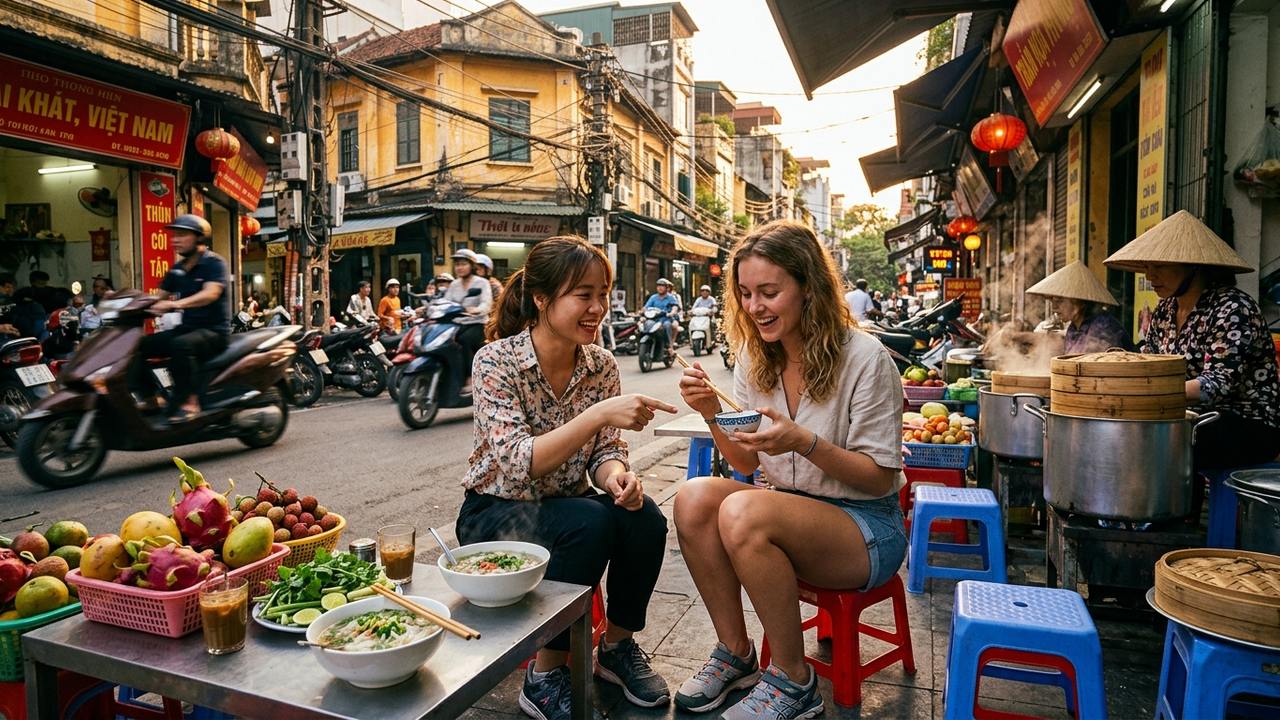
Image generated by AI
[HANOI, June 25, 2026] — Vietnam is experiencing a significant surge in international arrivals as culinary tourism transforms the nation into one of Asia’s most sought-after destinations. Travelers are increasingly bypassing traditional sightseeing in favor of immersive food experiences, focusing their itineraries on the street food cultures of Hanoi and Ho Chi Minh City.
The shift toward gastronomic travel indicates a broader evolution in global tourism, where visitors prioritize authentic, everyday local interactions over curated landmarks. According to industry observers, the act of dining on sidewalks and exploring wet markets has evolved from a secondary activity into the primary driver for trip planning.
Authentic Street Food Culture Drives Visitor Growth
A primary catalyst for the rise in Vietnam tourism is the raw, unpolished nature of its street food scene. Unlike high-end dining experiences, the appeal of Vietnamese street food lies in its accessibility and authenticity. Visitors are increasingly drawn to the experience of eating on plastic stools along busy thoroughfares, where meals are prepared in open-air kitchens in full view of the consumer.
To navigate this complex landscape, there has been a marked increase in the popularity of specialized Vietnam street food tours. These guided excursions allow travelers to penetrate deeper into the city's culinary fabric. Reports indicate that these tours typically focus on:
- Multi-generational, family-run stalls operating in hidden alleys.
- High-energy night markets characterized by aromatic smoke and intense activity.
- Direct interactions with local vendors who provide insight into the origin of the dishes.
- A curated selection of "hidden gems" that remain unnoticed by independent travelers.
Hanoi Food Tourism and the Preservation of Tradition
In the northern capital, the approach to culinary exploration is markedly different, characterized by a slower pace and a deep reverence for heritage. Hanoi food tourism is defined by narrow streets and a quiet, steady rhythm where recipes have remained unchanged for decades.
Industry sources observe that visitors in Hanoi often eschew structured itineraries, preferring to wander through the Old Quarter. The city's culinary identity is anchored in early morning soup stalls and the pervasive scent of steaming broths that fill the sidewalks at dawn. This environment allows travelers to connect with the city's collective memory through its flavors, making the experience feel grounded and historical.
Ho Chi Minh City Culinary Tourism and Modern Energy
Moving south, the culinary landscape shifts toward a more dynamic and experimental atmosphere. Ho Chi Minh City culinary tourism is defined by a faster pace, reflecting the city's status as a modern economic hub. Here, tradition blends with innovation, creating a playful and evolving food scene.
The city becomes a vast open-air dining room after sunset, with streets transforming into social hubs. Common highlights for those exploring the south include:
- Expansive night markets offering an endless variety of snacks and meals.
- The ubiquitous presence of strong, sweetened Vietnamese coffee.
- Modern twists on traditional street foods that cater to a globalized palate.
- A high-energy environment that encourages longer stays and spontaneous exploration.
Regional Flavor Profiles Across Vietnam
A significant draw for repeat visitors is the stark contrast in flavors between the different regions of the country. Rather than a monolithic food identity, Vietnam offers three distinct culinary zones, which often makes a single trip feel like visiting multiple countries.
| Region | Flavor Profile | Key Characteristics |
|---|---|---|
| Northern Vietnam | Subtle & Balanced | Light seasoning, focus on purity and tradition |
| Central Vietnam | Bold & Intense | Heavier use of spices, pungent flavors, high intensity |
| Southern Vietnam | Sweet & Tropical | Use of coconut milk, sugar, and fresh tropical fruits |
Evolution of Guided Gastronomic Experiences
Modern travelers are no longer satisfied with merely tasting food; there is a growing demand for the narrative behind the meal. This has led to the rise of storytelling-based tours. These experiences transition from simple eating trips to educational journeys.
Current trends in these guided experiences include walking tours through "hidden" food corridors, visits to authentic local markets where residents shop, and demonstrations of how home-cooked meals are prepared. By focusing on the cultural background of each ingredient and dish, these tours foster a deeper emotional connection between the traveler and the host community.
Strategic Efforts to Protect Culinary Heritage
As the volume of tourism increases, there is a concerted effort among local authorities and urban planners to ensure that the growth does not erase the authenticity of the food culture. The objective is to balance economic gain with cultural preservation.
Reports indicate that current priorities include providing support to small-scale vendors to ensure traditional recipes are not replaced by commercialized versions. There is also a push toward improving hygiene standards in street food environments without stripping away the "authentic" feel of the sidewalk experience. Furthermore, there is an emphasis on promoting indigenous ingredients over mass-produced imports to maintain the integrity of the local palate.
Why This Matters: The Shift Toward Experiential Tourism
The surge in Vietnam's culinary appeal signals a critical pivot in the travel industry: the transition from "sightseeing" to "lived experience." When travelers prioritize street food over monuments, they are seeking a form of "information gain" that cannot be found in a guidebook.
This trend highlights a growing psychological preference for unfiltered, raw interactions. By sitting on a sidewalk stool, the traveler removes the barrier between the tourist and the local. This democratization of the travel experience—where the "attraction" is simply life happening in real-time—creates a higher level of emotional resonance and loyalty to the destination. For the aviation and hospitality sectors, this suggests a need for more flexible, "slow-travel" packages that allow visitors to linger in urban centers rather than rushing through a checklist of landmarks.
Related Travel Guides
Disclaimer
This article is for informational and educational purposes only. It does not constitute legal, financial, or professional advice. While we strive to provide accurate and up-to-date information, travel policies, regulations, and conditions change rapidly. Always verify information with official sources before making travel decisions. Nomad Lawyer makes no representations about the accuracy, reliability, completeness, or suitability of the information provided. Readers should consult qualified professionals for advice specific to their circumstances. The views expressed in this article are those of the author and do not necessarily reflect the views of Nomad Lawyer.
Raushan Kumar
Founder & Lead Developer
Full-stack developer with 11+ years of experience and a passionate traveller. Raushan built Nomad Lawyer from the ground up with a vision to create the best travel and law experience on the web.
Learn more about our team →