
The Rise of 'Destination Dupes': How Budget-Conscious Travelers Are Replacing Tourist Hotspots with Affordable Alternatives
From the peaks of Georgia to the shores of Albania, a new travel movement is disrupting global tourism as travelers swap

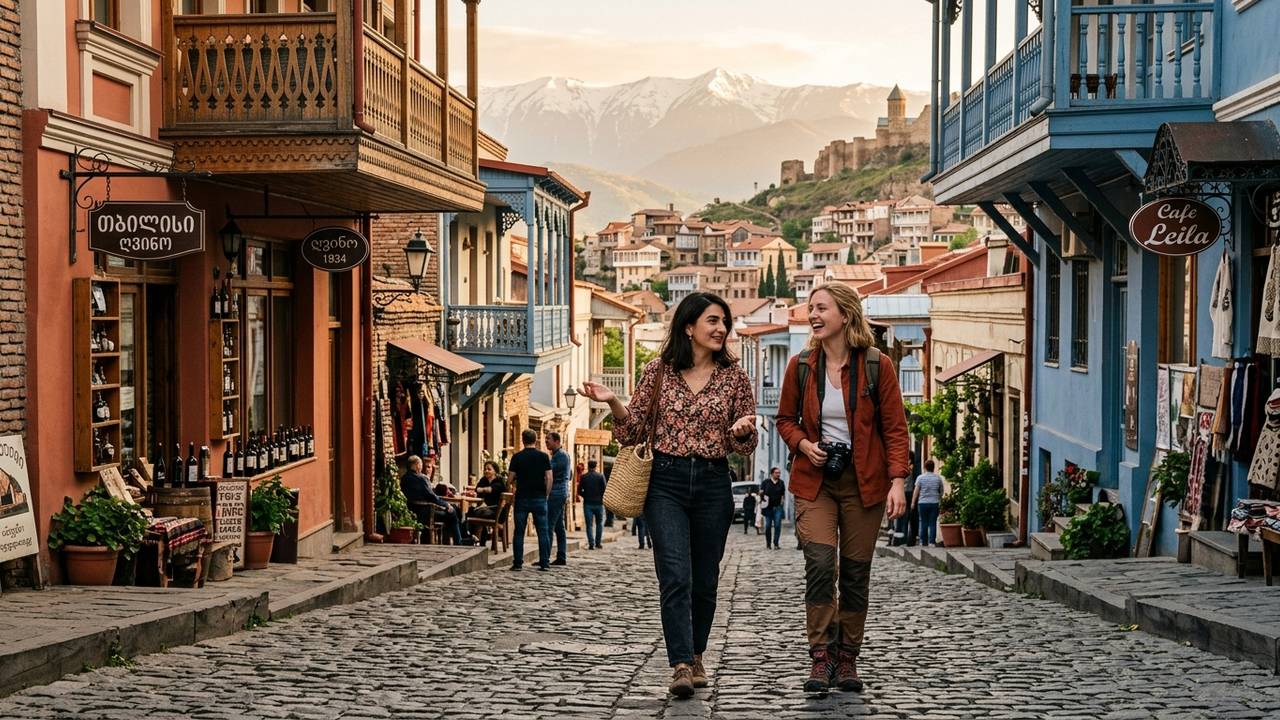
Image generated by AI
The Global Shift Toward Destination Dupes
International tourism is undergoing a significant behavioral shift. Travelers are increasingly abandoning traditional, high-cost hotspots in favor of "destination dupes"—locations that mirror the aesthetic, cultural, or geographical appeal of famous landmarks but offer greater affordability and fewer crowds.
Driven by rising costs and the pressures of overtourism, this trend is redistributing tourist flows away from saturated hubs. Countries like Georgia, Albania, and Vietnam are capitalizing on this movement, positioning themselves as high-value alternatives that provide authentic experiences without the premium price tag or seasonal congestion.
Europe’s New Value Hubs
Across Europe, several nations are emerging as primary substitutes for the continent's most expensive regions.
Georgia: The Alpine Alternative
For those seeking the dramatic vistas of the French or Swiss Alps without the luxury pricing, Georgia has become a top contender. The Caucasus Mountains, particularly regions like Gudauri, provide high-altitude landscapes and snow-covered peaks that rival Central Europe's most famous resorts, while remaining far less commercialized.
Albania and Croatia: The Mediterranean Rivals
The quest for crystal-clear waters is leading travelers away from Greece and Italy. Albania’s southern coastline, specifically Ksamil, is being hailed as a budget-friendly version of the Greek islands. Similarly, Croatia’s Adriatic coast—led by Dubrovnik and Split—offers a compelling alternative to Italy’s coastal towns, featuring medieval walled cities and cleaner, less congested beaches.
Romania and Bulgaria: Urban and Winter Substitutes
Bucharest is increasingly marketed as the "Paris of Eastern Europe," offering grand boulevards and Art Nouveau architecture at a fraction of the cost of a French city break. For winter sports, Bulgaria’s Bansko is emerging as a low-cost substitute for the expensive ski resorts of the Alps.
Global Alternatives: From Asia to the Americas
The "dupe" phenomenon extends far beyond Europe, affecting long-haul travel patterns and tropical luxury markets.
- Canada vs. Australia: The west coast of Canada, specifically Tofino, is attracting surf and wilderness enthusiasts who would otherwise travel to Australia. It offers similar Pacific surf and rugged rainforests with significantly shorter flight times for North American travelers.
- Vietnam vs. Thailand: Vietnam is positioning itself as the primary alternative to Thailand’s saturated beach hubs. Cities like Da Nang and Nha Trang offer similar coastal appeal and rice-terrace landscapes but with more efficient costs and fewer tourist bottlenecks.
- Sri Lanka and Indonesia vs. The Maldives: For those seeking tropical luxury without the ultra-premium price of the Maldives, Sri Lanka and Indonesia (Bali) provide diverse ecosystems, volcanic landscapes, and beachfront luxury at a more accessible price point.
- Mexico vs. The Caribbean: Mexico’s Riviera Maya and Cancún serve as large-scale alternatives to high-cost Caribbean island nations, combining world-class beaches with deep colonial history and robust infrastructure.
Comparative Destination Mapping
| Traditional Hotspot | The "Destination Dupe" | Key Shared Appeal | Primary Advantage |
|---|---|---|---|
| Switzerland / France | Georgia | Alpine peaks & hiking | Lower cost, less commercial |
| French Riviera | Calabria (Italy) | Mediterranean coast | Authentic feel, fewer crowds |
| Greece (Islands) | Albania | Turquoise waters | High affordability |
| Paris, France | Bucharest, Romania | Grand architecture | Budget-friendly city break |
| Australia | Canada (West Coast) | Surf & rugged nature | Shorter travel distance |
| Spain / Italy | Portugal | Golden beaches & history | Reduced congestion |
| Greece / Italy | Türkiye | Aegean/Med coastlines | Value-driven luxury resorts |
| Italy (Coast) | Croatia | Adriatic vistas | Less crowded beaches |
| Thailand | Vietnam | Tropical beaches/mountains | Cost-efficient infrastructure |
| Maldives | Sri Lanka / Indonesia | Island luxury & nature | Accessible pricing |
| Caribbean Islands | Mexico | White sand & turquoise sea | Extensive infrastructure |
| Southern Europe | Morocco | Mediterranean atmosphere | Unique cultural depth |
| Central Europe Alps | Bulgaria / Slovakia | Skiing & mountain hiking | Budget-friendly hospitality |
Key Takeaways
- Economic Driver: Inflation and rising hotel/flight costs are pushing travelers toward high-value alternatives.
- Overtourism Solution: Destination dupes help redistribute tourist traffic, reducing the environmental and social strain on "bucket-list" cities.
- Experience over Brand: Modern travelers are prioritizing authenticity and "crowd-free" experiences over the prestige of famous destination names.
- Global Reach: The trend is not limited to Europe; it is reshaping tourism in Asia, North Africa, and the Americas.
FAQ
What is a "destination dupe"? A destination dupe is a travel location that offers a similar experience, aesthetic, or activity to a more famous, expensive, or crowded destination, but at a lower cost and with fewer tourists.
Why are people choosing destination dupes? The primary drivers are affordability, a desire to avoid "overtourism" (extreme crowds), and a search for more authentic, less commercialized travel experiences.
Which countries are benefiting most from this trend? Countries like Georgia, Albania, Vietnam, and Portugal are seeing significant growth as they provide high-quality alternatives to more traditional Western European and Asian hubs.
Related Travel Guides
Disclaimer
This article is for informational and educational purposes only. It does not constitute legal, financial, or professional advice. While we strive to provide accurate and up-to-date information, travel policies, regulations, and conditions change rapidly. Always verify information with official sources before making travel decisions. Nomad Lawyer makes no representations about the accuracy, reliability, completeness, or suitability of the information provided. Readers should consult qualified professionals for advice specific to their circumstances. The views expressed in this article are those of the author and do not necessarily reflect the views of Nomad Lawyer.
Kunal K Choudhary
Co-Founder & Contributor
A passionate traveller and tech enthusiast. Kunal contributes to the vision and growth of Nomad Lawyer, bringing fresh perspectives and driving the community forward.
Learn more about our team →