
Gujarat Draws 12.4 Crore Tourists as Pilgrimage Tourism Surges
Gujarat recorded 12.4 crore domestic tourist visits in 2026, establishing itself as India's premier pilgrimage destination. Sacred sites and structured spiritual circuits drive over 33% year-on-year growth.

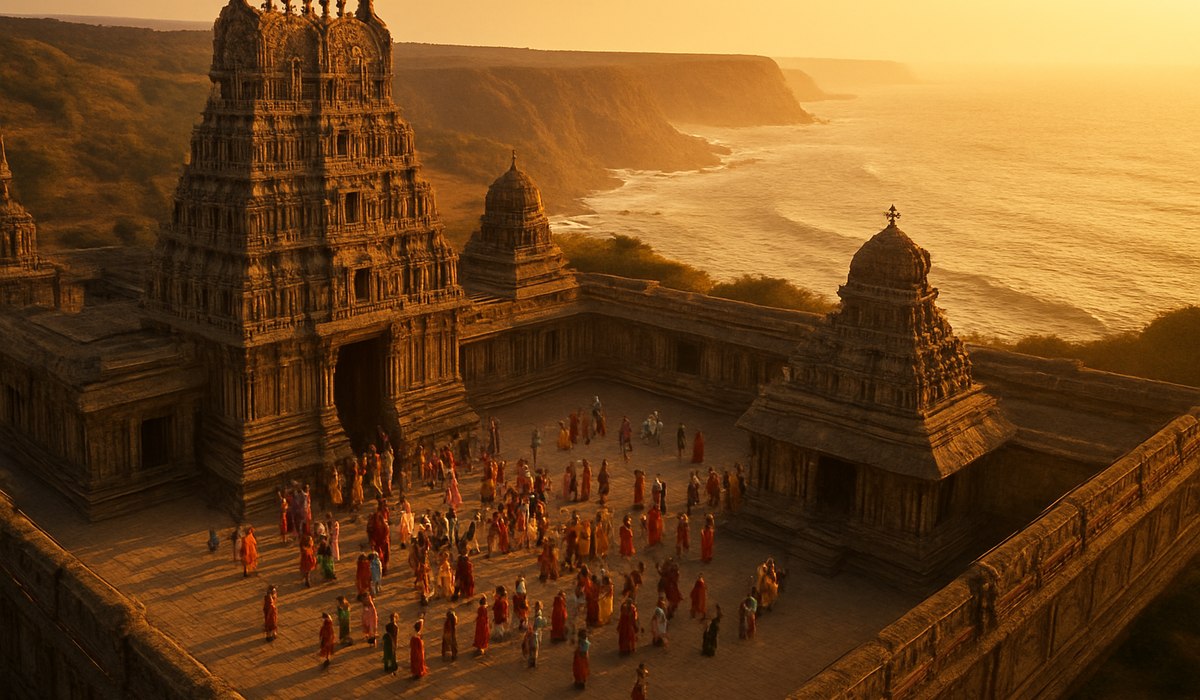
Image generated by AI
Record Pilgrimage Traffic: Gujarat Logs 12.4 Crore Domestic Visitors
Gujarat has emerged as India's undisputed pilgrimage tourism powerhouse, attracting 12.4 crore domestic visitors across its sacred sites and spiritual destinations in 2026. This milestone positions the western state as the nation's fastest-growing religious tourism hub, with visitor numbers surging over 33% compared to the previous year. The surge reflects a structural shift in how Indians approach faith-based travel, moving beyond single-day shrine visits toward multi-day spiritual circuits that combine devotion with cultural immersion.
Union government tourism statistics and state-level data confirm that this impressive footfall represents sustained momentum rather than seasonal peaks. Domestic travelers are discovering that Gujarat draws crore visitors year-round, with particular intensity during Navratri, Diwali, and major temple observances. Tourism analysts attribute this growth to improved accessibility, enhanced infrastructure, and the strategic marketing of pilgrimage routes connecting multiple sacred destinations across the state.
Sacred Sites Driving Growth: From Dwarka to Somnath
The temple circuit spanning Gujarat's coastline and interior regions forms the backbone of this tourism explosion. Dwarkadhish Temple in Dwarka continues as the most visited shrine, welcoming organized tour groups and independent pilgrims seeking the legendary Krishna temple. The Somnath Jyotirlinga on the Saurashtra coast ranks as India's most visited jyotirlinga shrine, attracting both devotional tourists and heritage enthusiasts interested in the temple's centuries-old restoration narrative.
Beyond these marquee destinations, emerging pilgrimage nodes are expanding visitor distribution. Ambaji in Banaskantha draws significant traffic from northwestern states, while Pavagadh's hilltop shrine near Champaner attracts devotees seeking spiritual elevation combined with archaeological exploration. According to India's Ministry of Tourism, these four anchor temples and their surrounding heritage zones account for a substantial portion of the 12.4 crore visits documented across Gujarat's leading destinations.
The architectural significance of these shrines matters equally to modern travelers. Pilgrims increasingly combine devotional activities with photography, documentation, and learning about temple construction techniques and historical restoration efforts, effectively transforming religious sites into comprehensive experiential destinations.
Beyond Festival Season: Year-Round Sustained Tourism Momentum
One distinctive feature of Gujarat's pilgrimage surge is its non-seasonal character. Unlike religious tourism in other regions that spikes sharply during festivals, Gujarat draws crore visitors consistently throughout the calendar year. State tourism data reveals steady domestic traffic across summer months, monsoons, and winter seasons, indicating that improved transportation networks and hotel infrastructure have made pilgrimage journeys viable during traditionally slower tourism periods.
Tourism officials note that temple fairs, monthly observances, and regional celebrations distributed across the year provide regular reasons for domestic travel. Navratri (September-October) and Diwali (October-November) remain peak seasons, but visitor flows during January through March and post-monsoon September have strengthened substantially. This year-round momentum provides economic stability for tour operators, hospitality businesses, and local artisan communities dependent on pilgrimage tourism revenue.
The extension of pilgrimage seasons reflects broader changes in Indian work culture, with remote work options enabling employees to blend leisure time with spiritual travel. Tour operators report growing demand for extended spiritual retreats combining temple visits with yoga, Ayurvedic wellness, and meditation programs, further dispersing visitor arrival patterns across the year.
National Pilgrimage Boom: Gujarat's Strategic Advantage
Within India's broader religious tourism landscape, Gujarat occupies an increasingly central position. National tourism surveys identify pilgrimage and spiritual travel as among the fastest-growing visitor segments, yet few states have capitalized on this trend as effectively as Gujarat. The state's competitive advantages include geographic proximity to major domestic population centers, well-maintained temple infrastructure, established hospitality networks, and proactive destination marketing emphasizing sacred heritage.
Government investment in tourism infrastructure has accelerated this positioning. Recent budget allocations funded heritage restoration projects, coastal development initiatives, and urban beautification schemes targeting pilgrimage gateways. The Statue of Unity in Kevadia, while not a traditional temple site, has become integrated into broader Gujarat itineraries, attracting heritage tourists who extend stays to include spiritual destinations. This diversification strategy—blending pilgrimage with cultural tourism—encourages longer visitor stays and increased per-person spending across host communities.
Tourism economists project that this momentum will sustain for the medium term, particularly as younger domestic travelers increasingly seek authentic spiritual experiences paired with cultural learning and heritage conservation participation. Learn more about India's pilgrimage tourism expansion from official government tourism resources.
| Metric | 2025 Figure | 2026 Figure | Growth Rate | Primary Driver |
|---|---|---|---|---|
| Total Domestic Visitors (Crore) | 9.3 | 12.4 | 33.3% | Pilgrimage circuits |
| Peak Season Footfall | 2.1 crore | 3.4 crore | 61.9% | Navratri festivals |
| Average Stay Duration (Days) | 2.1 | 2.9 | 38.1% | Multi-site circuits |
| Hotel Occupancy Rate | 62% | 78% | 25.8% | Infrastructure growth |
| Temple Visitor Numbers (4 anchor shrines) | 5.8 crore | 7.2 crore | 24.1% | Accessibility improvements |
| Tourism Revenue Contribution to State GDP | 2.3% | 2.8% | 21.7% | Visitor spending increase |
What This Means for Travelers
This pilgrimage tourism surge creates significant opportunities and considerations for domestic visitors planning Gujarat journeys:
-
Book accommodations well in advance, particularly during festival seasons (September-November) and summer vacation months (May-July), as hotel occupancy now regularly exceeds 75% at major pilgrimage destinations.
-
Consider multi-site itineraries combining Dwarka, Somnath, Ambaji, and Pavagadh to maximize your spiritual journey and justify extended stays that reduce daily travel costs while supporting regional economies.
-
Explore temple towns beyond the major four shrines, including Ambaji's mountain setting and Pavagadh's archaeological context, which receive fewer international visitors but offer equally significant devotional experiences.
-
Plan visits during shoulder seasons (January-March, September-October) to experience pilgrimage culture with slightly lighter crowds while supporting off-season tourism revenue for local communities.
-
Utilize improved transportation infrastructure, including enhanced highway connectivity and improved railway stations serving pilgrimage gateways, to design more flexible itineraries with multi-day temple circuits.
-
Engage with local hospitality businesses and artisan communities participating in pilgrimage tourism, ensuring your spending directly benefits temple towns and surrounding villages.
FAQ
Q: Which Gujarat temples attract the most domestic visitors in 2026? A: Dwarkadhish Temple in Dwarka and Somnath Jyotirlinga on the Saurashtra coast lead pilgrimage traffic, each welcoming millions annually. Ambaji in Banaskantha and Pavagadh near Champaner form essential circuit destinations. Together, these four anchor temples drive the majority of the 12.4 crore total visits documented across the state.
Q: Is Gujarat pilgrimage tourism seasonal or year-round? A: Gujarat draws crore visitors year-round rather than concentrating traffic into single festival seasons. While Navratri and Diwali generate peak footfall, improved infrastructure enables consistent pilgrimage traffic across all months. Shoulder seasons increasingly attract visitors seeking less congested experiences.
**Q: How
Disclaimer
This article is for informational and educational purposes only. It does not constitute legal, financial, or professional advice. While we strive to provide accurate and up-to-date information, travel policies, regulations, and conditions change rapidly. Always verify information with official sources before making travel decisions. Nomad Lawyer makes no representations about the accuracy, reliability, completeness, or suitability of the information provided. Readers should consult qualified professionals for advice specific to their circumstances. The views expressed in this article are those of the author and do not necessarily reflect the views of Nomad Lawyer.
Raushan Kumar
Founder & Lead Developer
Full-stack developer with 11+ years of experience and a passionate traveller. Raushan built Nomad Lawyer from the ground up with a vision to create the best travel and law experience on the web.
Learn more about our team →