
Beyond the Metropolises: How Vietnam, Klook, and Regional Creators Are Reshaping Southeast Asian Travel
With Singapore bookings jumping over 60% and regional hubs seeing demand spikes up to 85%, Klook partners with Vinpearl and Sun Hospitality to steer travelers toward Da Nang, Phu Quoc, and Sapa.

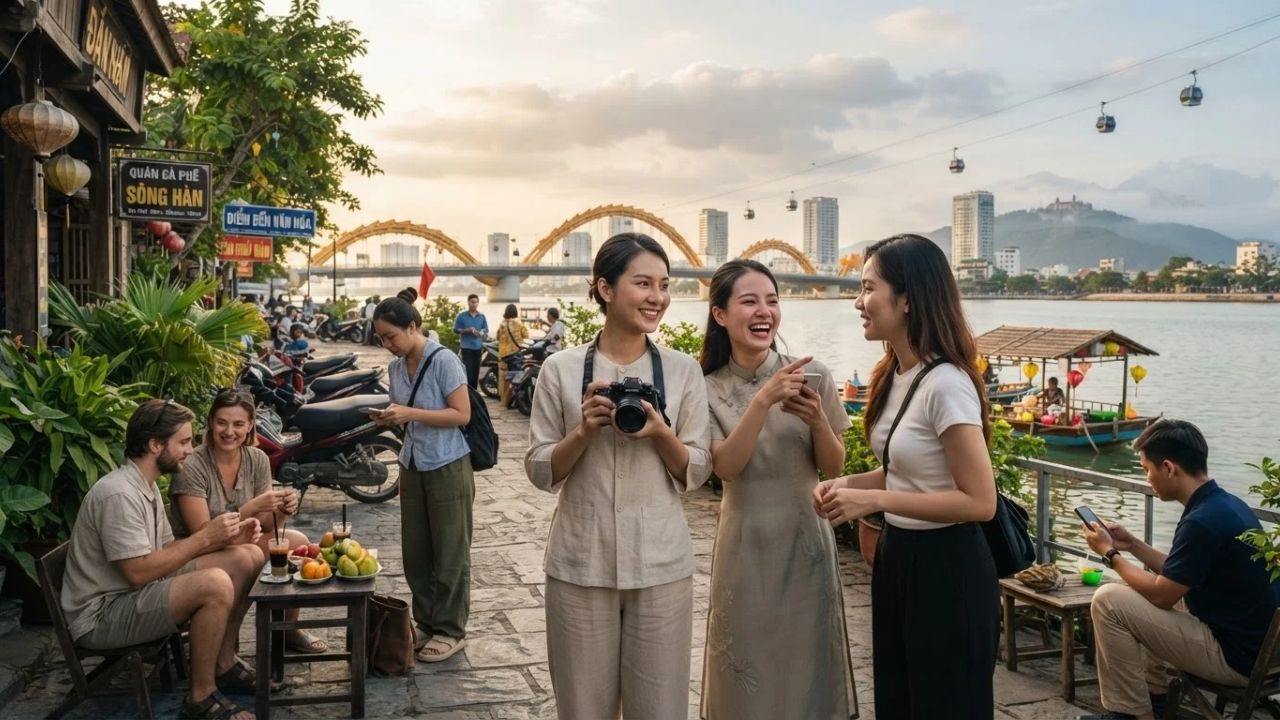
Vietnam's secondary destinations are leading a nationwide shift toward experiential travel
According to newly released travel data, nearly three-quarters—exactly 73%—of modern Asia-Pacific travelers now state they would willingly bypass iconic bucket-list capitals in favor of secondary and regional cities if those destinations offer immersive cultural festivals, outdoor adventures, or distinctive local experiences. This behavioral realignment is driving a monumental shift across Vietnam, where the classic two-city itinerary linking Hanoi and Ho Chi Minh City is giving way to decentralized exploration. As recorded by Singapore-based booking platform Klook, Singapore travelers booking Vietnamese experiences surged by more than 60% year-on-year in 2026. Rather than congregating solely along the French colonial boulevards of the north or the neon-lit skyscrapers of the south, international visitors are spreading into the central coastal gateway of Da Nang, the southern island sanctuary of Phu Quoc, and the mist-shrouded mountain valleys of Sapa, where regional activity demand has spiked between 22% and 85%.
The transformation represents more than simple ticket sales; it marks a strategic evolution in how Southeast Asian destinations build long-term tourism resilience. Through newly inked memoranda of understanding with Vietnam's leading hospitality and leisure conglomerates—Vinpearl and Sun Hospitality and Entertainment—travel tech platforms are moving from passive ticketing engines to active destination co-creators. By leveraging digital insights and mobilizing thousands of regional travel storytellers, the country is proving that the true heart of Vietnamese hospitality beats in its regional valleys, coastal coves, and mountain highlands.
Redefining Discovery: The Rise of the Regional Creator Corridor
For decades, international arrivals to Vietnam followed a well-worn path: an overnight junk cruise in the Gulf of Tonkin, an afternoon strolling Hanoi's Old Quarter, a brief transit through central coast monuments, and an evening in Saigon. Today, consumer psychology has shifted dramatically. The Klook Travel Pulse 2026 study reveals that 42% of Singapore voyagers now start planning their vacations around a specific desired experience—paired with their budget and open dates—before even considering a country or city name. Across the wider Asia-Pacific territory, 23% of travelers similarly identify an activity first, making destination selection secondary to what they will physically do once on the ground.
To harness this shift toward experiential discovery, the platform organized its global creator summit, KREATORVERSE 2026, across Da Nang and Phu Quoc in August. The event convened more than 120 content creators representing 17 international markets alongside regional tourism authorities and local operators. Rather than relying on static television commercials or sponsored magazine spreads, modern travelers look to independent creators who document the precise mechanics of local life: how to order a bowl of morning noodles in a neighborhood alleyway, how to negotiate coastal fishing skiffs, or where to find ethical homestays.
The influence of this creator ecosystem is quantifiable. In 2025, creator-driven travel reservations leaped by 246%, and four out of five surveyed travelers confirmed they had finalized a travel booking directly following a creator recommendation. Significantly, more than one-third of respondents cited micro and niche creators—rather than mass-market celebrity influencers—as the primary inspiration for their travel purchases. With the rollout of dedicated digital storefronts enabling more than 30,000 creators across 88 markets to bundle hand-picked regional hotels, workshops, cable car passes, and food tours, travelers now book complete itineraries directly through trusted regional voices. This model has already proven its strength across East Asia, where a companion creator summit in Beijing and Shanghai helped boost Southeast Asian travel demand into Mainland China by 134% year-on-year, with Singapore bookings climbing 136%.
What Makes Vietnam's Regional Trio Different: Sea, Mountain, and Heritage
Vietnam's secondary destinations offer a level of geographic and cultural diversity that compact city breaks cannot match. In central Vietnam, Da Nang has evolved from a wartime transit port into the country's most dynamic lifestyle hub. Framed by the white sands of My Khe Beach and the jungle-draped cliffs of the Son Tra Peninsula, Da Nang functions as a springboard for exploring ancient civilizations. Just thirty minutes down the coast sits the UNESCO-inscribed town of Hoi An, protected under the UNESCO World Heritage Centre, where hundreds of timber merchant houses, Chinese assembly halls, and Japanese covered bridges glow under silk lanterns along the Thu Bon River. Above the city, the engineering wonder of the Golden Bridge in the Ba Na Hills draws global architecture enthusiasts into cool mountain air.
In stark contrast, Sapa, perched high in the Tonkinese Alps of northwestern Vietnam, is an alpine sanctuary defined by steep terraced rice paddies that plunge into the Muong Hoa Valley beneath the 3,143-metre summit of Mount Fansipan. Here, life follows agricultural cycles rather than clock time. The valley is home to distinct ethnic minority communities, including the Black Hmong, Red Dao, and Tay peoples, whose ancestral villages preserve hand-dyed indigo textile production, medicinal herbal bath traditions, and terraced farming techniques honed over centuries.
At the country's southern tip, Phu Quoc Island anchors an entirely different coastal reality. Floating in the Gulf of Thailand, the island combines ultra-modern marine entertainment infrastructure—such as the world's longest over-sea cable car connecting to the An Thoi archipelago—with deep-rooted maritime heritage. Beyond the resort strips, Phu Quoc remains famous for artisanal black pepper plantations, dense primary rainforest in its northern national park, and centuries-old wooden fish sauce (nuoc mam) barrel houses, where anchovies ferment in massive timber vats to produce the culinary gold standard of Southeast Asian kitchens.
Visitor Insider Tips: Exploring Da Nang, Sapa, and Phu Quoc
- Avoid Midday Heat and Crowds in Central Vietnam: When visiting the Marble Mountains or Hoi An from Da Nang, set out between 6:00 AM and 8:30 AM. In Hoi An, daytime temperatures and tour group crowds peak between 11:00 AM and 4:00 PM; early morning visits allow you to watch local fishermen unloading their nets along the Bach Dang wharf and wander empty cobbled alleys before shops raise their wooden shutters.
- Trek with Certified Local Hmong and Dao Guides in Sapa: Rather than booking large bus tours through generic agencies, hire village-based female guides through community collectives in Cat Cat, Lao Chai, or Ta Van. They know unmapped single-track trails that weave through bamboo forests and mountain ridges, bypassing concrete access roads. For homestays, head to Ta Phin village, where you can soak in traditional wooden tubs filled with steaming Dao medicinal herbs harvested directly from mountain forests.
- Master Regional Street Food Specialties: Expand your palate beyond standard northern pho. In Da Nang, seek out street stalls serving Mi Quang—turmeric-tinted rice noodles tossed with pork belly, river shrimp, quail eggs, and crispy sesame rice crackers bathed in a rich, shallow broth seasoned with crushed peanuts. In Phu Quoc, visit the harbor street stalls for Bun Quay (stirred noodles), where diners grind their own dipping paste of calamansi, bird's eye chilies, salt, and sugar before fresh seafood patties are flash-cooked in steaming noodle broth.
- Time Your Journey Around Monsoon Patterns: Vietnam's complex elongated geography means seasons vary radically by latitude. The ideal window for Sapa is September through October (when terraced rice paddies turn brilliant golden before harvest) or March through May (for clear skies and spring blossoms). For Phu Quoc, travel between November and April during the dry northeast monsoon when waters in the An Thoi archipelago are crystal-clear for snorkeling. Check seasonal travel advisories on the official portal of the Vietnam National Authority of Tourism before coordinating multi-region domestic flights.
- Transport Hacks for Multi-City Routing: Utilize the scenic daytime railway link aboard the Reunification Express between Hue and Da Nang, where trains hug the cliffs of the Hai Van Pass overlooking deserted coastal bays. In Phu Quoc, rent a lightweight scooter only if you possess a valid International Driving Permit and motorcycle endorsement; otherwise, rely on dependable ride-hailing apps or pre-arranged electric taxis, which operate widely across island beach districts.
Cultural and Environmental Context: Balancing Boom and Heritage
The rapid decentralization of tourism into Vietnam's sensitive highlands and island ecosystems introduces critical conservation responsibilities alongside economic opportunity. In northern mountain provinces like Lao Cai, tourism provides essential non-agricultural household income for ethnic minority families. However, rapid commercialization risks turning living ancestral rituals into staged tourist performances. Forward-thinking community tourism initiatives in Sapa prioritize fair-wage guide employment, support bilingual literacy programs, and encourage travelers to purchase authentic hand-stitched hemp textiles directly from female cooperative workshops rather than imported factory imitations.
Along the coast and southern islands, environmental challenges center on marine preservation and waste management. Phu Quoc's coastal reefs face growing pressure from boat anchors, plastic runoff, and intensive coastal construction. The collaborative efforts between conservation authorities and hospitality operators like Vinpearl and Sun Group focus on designating marine sanctuary boundaries in the An Thoi islands, deploying artificial reef structures, and transitioning resort vehicle fleets to electric shuttles.
By distributing visitor footfall across secondary provinces, data-driven platforms help alleviate overtourism pressures in historical centers like Hanoi's French Quarter and ancient temple complexes. When international travelers choose to spend their tourism dollars on family-run homestays in mountain valleys, artisanal noodle stands in coastal quarters, and community-guided marine excursions, tourism becomes a vehicle for cultural preservation and sustainable provincial livelihood.
FAQ: Visiting Regional Vietnam 2026
What is the best way to travel between Da Nang, Sapa, and Phu Quoc? Domestic airlines operate frequent non-stop flights connecting Da Nang and Phu Quoc. To reach Sapa, take an overnight sleeper train or luxury express limousine bus from Hanoi to Lao Cai, followed by a scenic one-hour mountain transfer.
How many days should I allocate for visiting secondary destinations in Vietnam? Plan for at least three to four nights in Da Nang (including day trips to Hoi An and Ba Na Hills), three nights for trekking and village homestays in Sapa, and three to four nights for coastal activities in Phu Quoc.
Do international tourists need an advance visa for regional Vietnam? Most international travelers can easily obtain an official 90-day multi-entry e-visa online prior to departure. Additionally, foreign travelers flying directly into Phu Quoc International Airport enjoy a 30-day visa exemption, provided they remain on the island.
Is English widely spoken outside major metropolitan centers? English is widely understood across major hotels, activity centers, and restaurants in Da Nang, Phu Quoc, and central Sapa. When trekking in remote mountain villages, hiring a bilingual local guide ensures smooth cultural communication.
From the mist-draped terraced ridges of the northern frontier to the lantern-lit riverside lanes of the central coast, Vietnam's true magic unfolds the moment you step beyond the beaten city track.
Related Travel Guides
- Beyond the Grand Tour: How Cape Town, Marrakech, and Africa’s Luxury Capitals Are Rewriting High-End Travel
- The Living Soul of the Continent: How Zanzibar, Ethiopia, and Africa’s Heritage Cities Are Redefining Cultural Travel
- Vietnam Beyond the Metropolises: The Complete 10-Day Da Nang, Sapa, and Phu Quoc Itinerary
Disclaimer
This article is for informational and educational purposes only. It does not constitute legal, financial, or professional advice. While we strive to provide accurate and up-to-date information, travel policies, regulations, and conditions change rapidly. Always verify information with official sources before making travel decisions. Nomad Lawyer makes no representations about the accuracy, reliability, completeness, or suitability of the information provided. Readers should consult qualified professionals for advice specific to their circumstances. The views expressed in this article are those of the author and do not necessarily reflect the views of Nomad Lawyer.
Raushan Kumar
Founder & Lead Developer
Full-stack developer with 11+ years of experience and a passionate traveller. Raushan built Nomad Lawyer from the ground up with a vision to create the best travel and law experience on the web.
Learn more about our team →