
Vietnam Indian Tourism Surge: Inbound Arrivals Rise 45.6% in 2026
Indian tourist arrivals to Vietnam surge by 45.6% in the first six months of 2026, driven by new aviation connections and cost advantages.

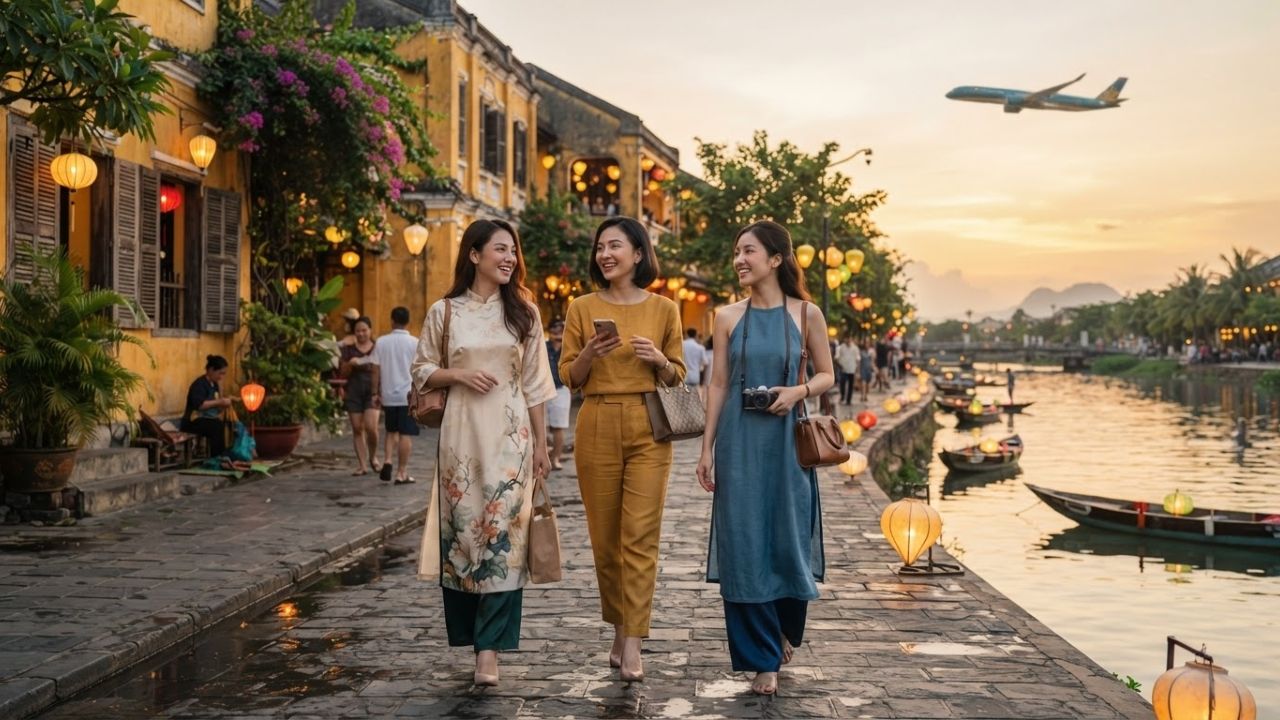
Image generated by AI
Indian tourist arrivals to Vietnam have surged by 45.6% year-on-year in the first six months of 2026, positioning the country as a preferred Southeast Asian destination over traditional hubs like Thailand and Bali.
On August 7, 2026, regional destination planners reviewed the updated inbound passenger registers. The sharp rise in visitor arrivals reflects a broader structural change in vacation choice dynamics across South Asia. To accommodate this demand, national transport carriers and resort developers are expanding direct aviation routes, establishing bilateral exchange programs, and tailoring ground services to meet the specific cultural requirements of the Indian market.
The Core Transit Update
The expansion of direct, non-stop flight paths has eliminated historical transit layovers connecting Indian cities to major Vietnamese hubs.
According to the Vietnam National Authority of Tourism (VNAT) and the Ministry of Transport of Vietnam, direct air links are now active between primary Indian departure hubs—including New Delhi, Mumbai, Bengaluru, and Kolkata—and key Vietnamese entry ports, such as Hanoi, Ho Chi Minh City, Da Nang, and Phu Quoc. This aviation growth is supported by a long-term bilateral Cultural Exchange Programme running through 2030, designed to streamline administrative travel procedures, lower visa barriers, and coordinate cross-border tourism promotion.
This inbound travel growth aligns with budget-friendly island developments detailed in Phu Quoc Emerges as Value Hotspot Attracting Indian Tourists in 2026 and green initiatives outlined in Vietnam Implements Circular Tourism Strategy Across Ha Long Bay and Phu Quoc to Promote Sustainable Travel and Waste Reduction.
India-to-Vietnam Aviation Connectivity & Logistics
The following table summarizes the active non-stop flight routes, flight frequencies, and entry visa requirements managed by the Civil Aviation Authority of Vietnam (CAAV).
| Aviation Departure Hub (India) | Primary Vietnamese Arrival Port | Flight Frequency (Weekly) | Visa Transit Regulations | Primary Target Travel Segment |
|---|---|---|---|---|
| New Delhi (DEL) | Hanoi (HAN) / Ho Chi Minh (SGN) | 14 Flights | E-visa required (processed in 3 days) | Corporate MICE & business groups |
| Mumbai (BOM) | Da Nang (DAD) | 7 Flights | E-visa required (processed in 3 days) | Destination wedding parties |
| Bengaluru (BLR) | Phu Quoc (PQC) | 5 Flights | Direct entry / regional waivers | Leisure family travelers & couples |
| Kolkata (CCU) | Hanoi (HAN) | 4 Flights | E-visa required (processed in 3 days) | Cultural & historical tours |
Frequencies and entry protocols are monitored in coordination with local civil aviation boards.
Traveler Logistics Guide
From a ground-level perspective, the best way to navigate this is to secure your e-visa at least 7 to 10 days before departure to prevent administrative delays at boarding gates.
- Aviation Connections: Book direct flights to Da Nang or Phu Quoc to avoid layovers at secondary airports. If flying into Ho Chi Minh City, allow at least 2.5 hours to clear immigration and transfer to domestic terminals for connecting regional flights.
- Customs and Entry Vetting: Keep printed copies of your return flight ticket, hotel bookings, and approved e-visa document. Officers at arrival booths inspect these documents before granting entry stamps.
- Ground Logistics & Dining: For large groups or family trips, pre-book with tour agencies that provide certified vegetarian or Jain dining plans, as local restaurants outside central cities have limited options.
- Guide Services: Due to a regional shortage of Hindi-speaking guides, secure booking confirmations for translators or bilingual guides at least 4 weeks before your trip begins.
Infrastructure Impact Assessment
The rapid rise in passenger traffic has driven significant private and public investment into resort upgrades, high-speed regional rail plans, and coastal transport networks. By actively courting the high-value Indian wedding and MICE sectors, coastal provinces increase off-peak hotel occupancy rates and generate steady revenue for regional suppliers. Reinvesting aviation fees directly into local recycling programs and community homestays ensures that high-volume arrivals do not lead to environmental degradation along fragile shorelines.
Related Travel Guides
Phu Quoc Emerges as Value Hotspot Attracting Indian Tourists in 2026
The 10 Best Things to Know About Vietnam E-Visa Application, According To Reddit
Disclaimer
This article is for informational and educational purposes only. It does not constitute legal, financial, or professional advice. While we strive to provide accurate and up-to-date information, travel policies, regulations, and conditions change rapidly. Always verify information with official sources before making travel decisions. Nomad Lawyer makes no representations about the accuracy, reliability, completeness, or suitability of the information provided. Readers should consult qualified professionals for advice specific to their circumstances. The views expressed in this article are those of the author and do not necessarily reflect the views of Nomad Lawyer.
Kunal K Choudhary
Co-Founder & Contributor
A passionate traveller and tech enthusiast. Kunal contributes to the vision and growth of Nomad Lawyer, bringing fresh perspectives and driving the community forward.
Learn more about our team →