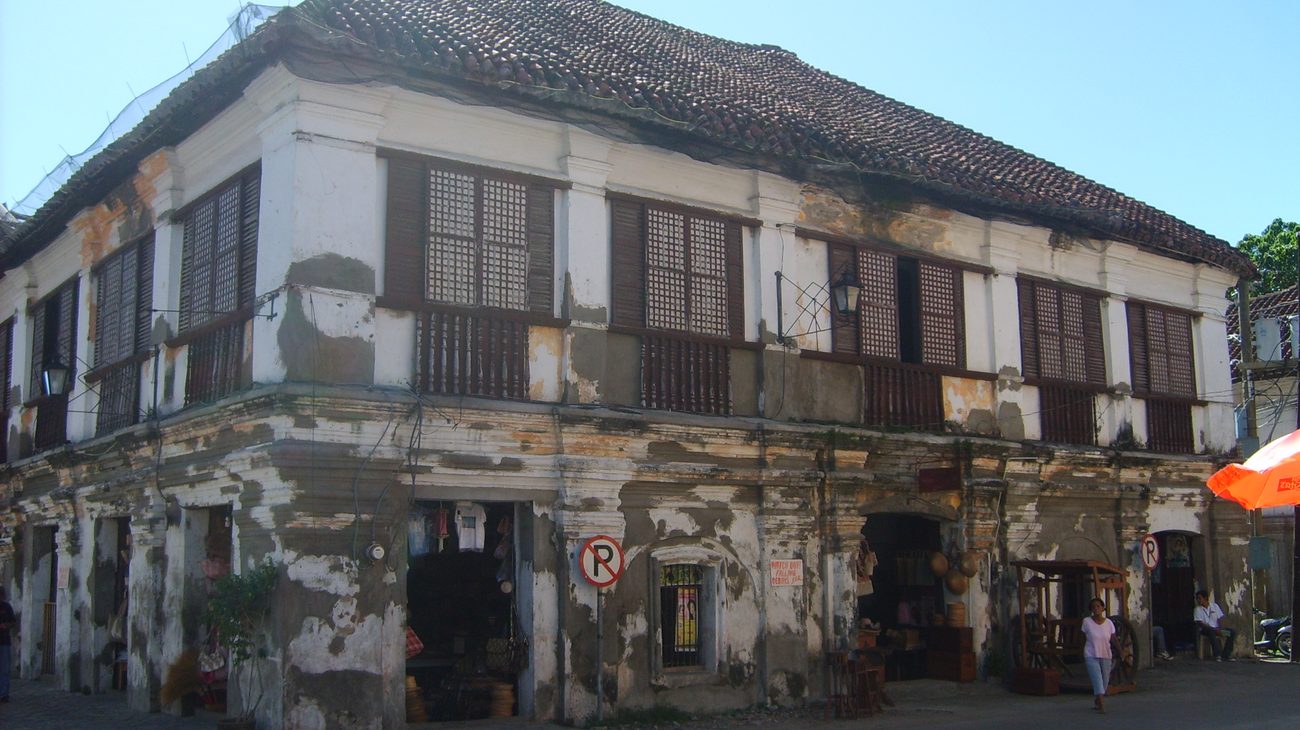
Vietnam India Tourism Expansion 2026: New Aviation Pact and Regional Travel Guide

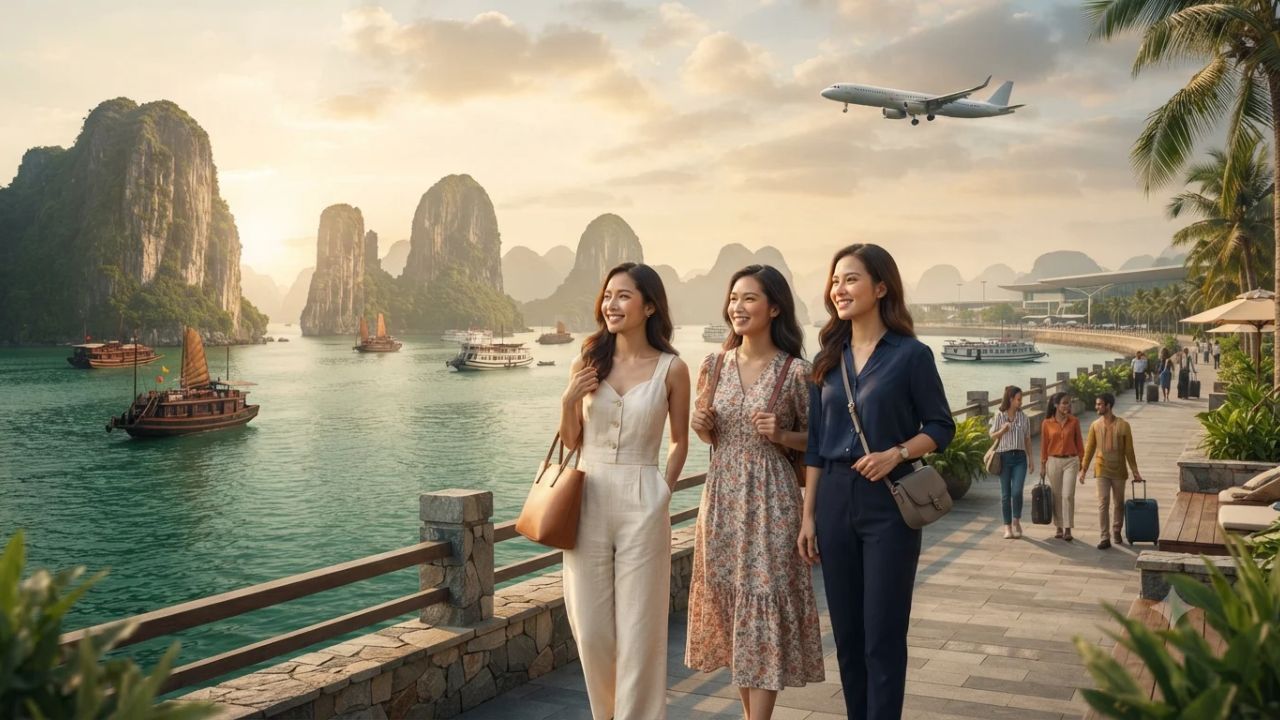
More than eighty-four percent of the record 21.2 million international travelers who entered Vietnam in 2025 arrived by air—generating an unprecedented $15.22 billion in tourism service exports. As direct flight demand between South Asia and Southeast Asia accelerates, high-level bilateral negotiations concluded on 17 and 18 September 2026 between the Ministry of Civil Aviation of India and Vietnamese aviation authorities have modernized the bilateral Air Services Agreement. By converting restrictive flight-frequency caps into flexible seat-based allocations for designated airlines, the two nations are paving the way for larger aircraft deployments, optimized departure schedules, and expanded point-to-point connections across major metropolitan and coastal gateways.
The Seat-Based Aviation Revolution Linking New Delhi and Hanoi
For decades, international aviation between India and Southeast Asia was governed by rigid frequency agreements that limited how many individual flights a carrier could operate each week. Under the new seat-based framework, airlines gain the commercial flexibility to deploy high-capacity widebody aircraft or distribute seats across multiple daily services depending on seasonal holiday peaks, corporate demand, and destination wedding schedules.
This regulatory modernization coincides with Vietnam's historic tourism expansion. Official data released by Vietnam's National Statistics Office shows that international visitor numbers climbed by 20.4 percent in 2025 to reach nearly 21.2 million arrivals, with air travel accounting for more than 17.8 million entries (84.3 percent of the total). Tourism-service exports expanded by 24.4 percent, while accommodation and food-service revenue grew by 10.02 percent, and transport operations expanded by 10.99 percent. Destination resources from the Vietnam National Authority of Tourism highlight that streamlining air access allows international travelers to move easily between northern cultural capitals, central coastal resorts, and southern tropical islands.
What Sets Vietnam's Regional Tourism Corridors Apart
The influx of direct air connectivity is redistributing travelers far beyond the primary transit hubs of Hanoi (Noi Bai International Airport) and Ho Chi Minh City (Tan Son Nhat International Airport). Travelers are establishing multi-city itineraries that connect ancient heritage centers with world-class beach enclaves.
Central Vietnam anchors a rich concentration of cultural history, where the marble cliffs of Da Nang lead into the lantern-lit wooden merchant houses of Hoi An and the imperial tombs of Hue. To the north, emerald limestone karsts rise out of the sea at UNESCO World Heritage Ha Long Bay, while southern itineraries feature the white-sand beaches of Phu Quoc island and the coastal marine reserves of Nha Trang.
| Vietnamese Destination | Primary Geographic & Cultural Core | Signature Visitor Activities | Key Connecting Airport |
|---|---|---|---|
| Hanoi & Red River Delta | 1,000-year-old French colonial & dynastic capital | Old Quarter street food walks, water puppet theater, Hoan Kiem Lake | Noi Bai International (HAN) |
| Da Nang & Hoi An | Central coast & Cham architectural heritage | Ba Na Hills Golden Bridge, Hoi An ancient town, My Son sanctuary | Da Nang International (DAD) |
| Ha Long Bay & Cat Ba | UNESCO-listed sunken limestone karst seascape | Overnight junk boat cruises, sea kayaking, Sung Sot cave treks | Van Don (VDO) / Cat Bi (HPH) |
| Ho Chi Minh City | Southern commercial & culinary powerhouse | Ben Thanh Market, Cu Chi tunnels, Saigon Notre-Dame Basilica | Tan Son Nhat (SGN) |
| Phu Quoc Island | Gulf of Thailand tropical archipelago | Sunset Town cable car, coral reef snorkeling, night squid fishing | Phu Quoc International (PQC) |
This diverse geographic variety enables independent holidaymakers and large family groups to combine urban food discoveries with tranquil coastal relaxation on a single seamless vacation.
Visitor Insider Tips for Traveling Between India and Vietnam
- Apply for the Official 90-Day Multiple-Entry E-Visa Early: Vietnam offers a 90-day electronic visa (e-visa) to citizens of all nationalities, including Indian passport holders. Apply exclusively through the official national government immigration portal, verifying that every passport number, full name spelling, and designated arrival port matches your travel documents exactly.
- Explore Vegetarian and Pure Jain Dining Options: Vietnam's rich Buddhist culinary heritage (Ăn Chay) means plant-based food is widely available. In major tourist corridors like Da Nang, Hanoi, and Ho Chi Minh City, an increasing number of certified Indian restaurants and local vegetarian cafes cater specifically to pure vegetarian and Jain dietary preferences.
- Use App-Based Transport to Avoid Unregulated Airport Taxis: Upon landing at international airports, avoid unsolicited private taxi drivers outside the terminal. Use verified ride-hailing applications like Grab or pre-book official airport counter transfers to ensure transparent, metered fares into city centers.
- Acquire a Local eSIM for Effortless Navigation: Purchase a high-speed local data eSIM online before landing. Reliable mobile data allows you to utilize translation tools, digital maps, and train schedules while exploring historic street quarters and rural craft villages.
- Verify Weather Windows for Marine Cruises: Tropical weather patterns vary significantly between northern and southern Vietnam. Check seasonal marine forecasts before booking Ha Long Bay cruises or Phu Quoc boat excursions, particularly during the late-summer monsoon season.
Cultural Connections, Heritage Preservation, and Sustainable Infrastructure
The relationship between India and Vietnam is anchored by deep historical ties that span more than two millennia. The ancient Hindu Kingdom of Champa, which flourished along Vietnam's central coastline from the 2nd to the 19th century, left behind magnificent red-brick sanctuary towers at My Son, which are preserved today through collaborative conservation projects between the Archaeological Survey of India and Vietnamese heritage authorities.
As visitor numbers expand, national tourism authorities are prioritizing sustainable visitor management to protect sensitive ecological and cultural sites. Managing carrying capacity at fragile marine parks, training multi-lingual certified tour guides, and upgrading terminal baggage handling systems ensure that tourism growth enhances community livelihoods without compromising environmental integrity.
By choosing licensed tour operators, respecting sacred temple etiquette, and patronizing independent family-run eateries, travelers support a sustainable tourism model that enriches both host communities and international guests.
FAQ: Traveling Between India and Vietnam 2026
What are the requirements for Indian citizens applying for a Vietnam e-visa?
Indian passport holders can apply online for a 30-day or 90-day single or multiple-entry e-visa with at least six months of passport validity and a digital passport photo.
How does the new seat-based aviation pact benefit travelers?
Converting flight entitlements into seat-based allocations allows airlines to fly larger aircraft and operate flexible flight schedules, increasing seat availability and route choices.
Which Vietnamese cities have direct flights to India?
Direct air corridors connect major Indian cities like New Delhi and Mumbai with Hanoi, Ho Chi Minh City, and Da Nang, with additional charter and seasonal services expanding.
Is vegetarian food easy to find across Vietnam?
Yes. In addition to widespread Indian restaurants in major tourist hubs, traditional Vietnamese Buddhist vegetarian restaurants (Quán Chay) are found throughout every city and town.
Bridging ancient spiritual roots with modern air routes, the journey between India and Vietnam unveils a shared mosaic of cultural wonder across the Southeast Asian horizon.
Related Travel Guides
This article is for informational purposes. Flight routes, passenger regulations, visa rules, and transit advisories are subject to change by airlines and aviation authorities. Readers are advised to verify schedules and travel documentation with relevant carriers and border agencies before departure.
Related Stories
Uniworld Unveils Mekong Mystique for 2028: New Luxury Vessel Redefines Cambodia and Vietnam River Cruises
12 Beautiful Cities in Germany That Reddit Travelers Prefer Over the Most Famous Tourist Stops