
Vietnam Expands Community and Agricultural Tourism Initiatives
Vietnam shifts its travel strategy toward community-based and agricultural tourism, showcasing rural development models at the ITE HCMC 2026.

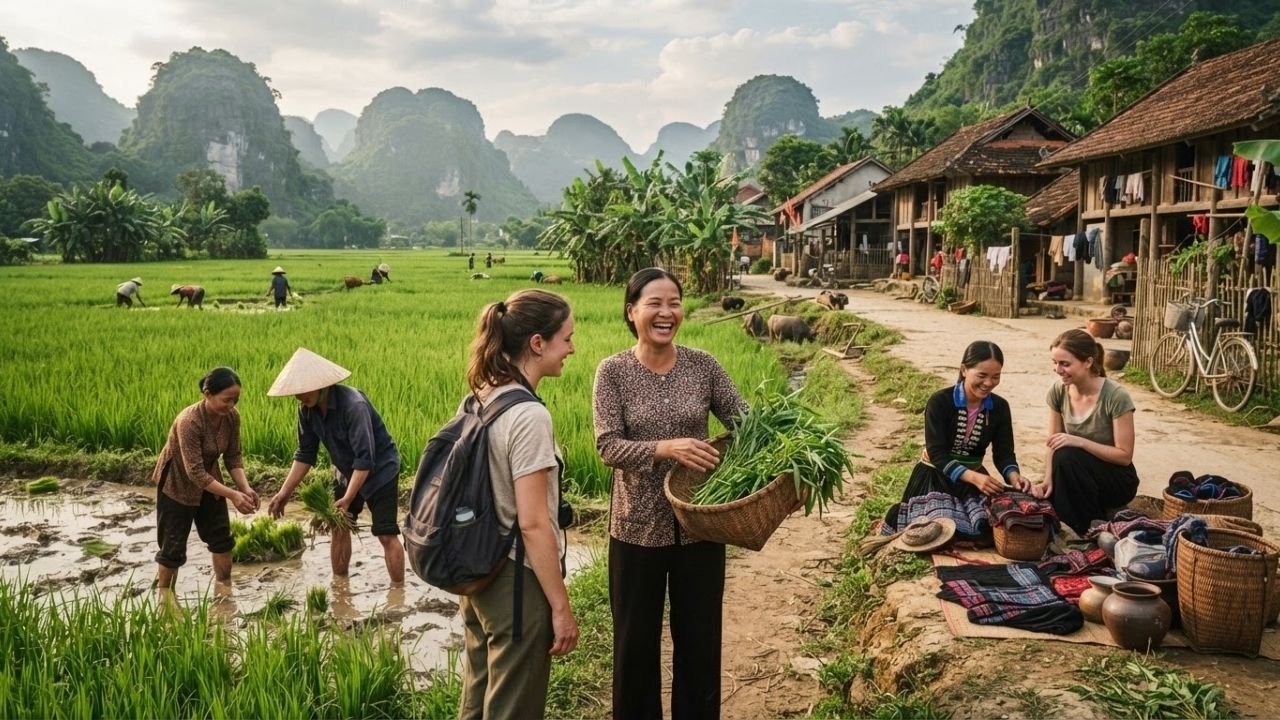
Image generated by AI
Vietnam is transitioning from traditional sightseeing excursions to experience-based community and agricultural tourism, leveraging its rural villages to create sustainable income streams for local communities.
The Local Trend: Rise of Experiential Community-Based Tourism
Vietnam's tourism market is shifting as international travelers increasingly seek authentic experiences over conventional tour packages. In response, the country is expanding its Community-Based Tourism (CBT) model, which allows visitors to participate directly in local life through village homestays, traditional dining, craft workshops, and farming activities.
This strategy aims to disperse visitor traffic outside established cities and coastal hotspots (such as Ho Chi Minh City, Hanoi, Da Nang, and Nha Trang), reducing environmental pressure while channeling tourism revenues directly into regional and ethnic minority villages. By positioning local communities as active managers rather than passive beneficiaries, the model helps preserve regional heritage while generating sustainable income streams.
Agricultural Tourism and Rural Economy Support
Agricultural tourism has become an important pillar of Vietnam's sustainable development strategy. Traditional farming methods, regional food production, and rural lifestyles are being structured into tourism experiences, offering visitors farm visits, harvesting demonstrations, and traditional craft tours.
For rural communities, this model creates employment opportunities beyond traditional agriculture, encouraging younger generations to remain in rural areas. Farmers, artisans, and small business owners participate in the visitor economy as homestay hosts, local cooks, and guides, ensuring that economic gains are shared directly at the grassroots level.
Vietnam Community-Based and Agricultural Tourism Development Profile
| Tourism Parameter / Metric | Development Strategy / Details | Strategic Local Economic & Cultural Objective |
|---|---|---|
| Showcase Travel Trade Event | 20th ITE HCMC (August 27–29, 2026) | Connects local suppliers with international buyers |
| Primary Tourism Model | Community-Based Tourism (CBT) | Transfers asset ownership directly to village hosts |
| Agricultural Integration | Farm visits, traditional harvest, local food | Creates secondary income streams for rural households |
| Global Standards Target | UN Tourism "Best Tourism Villages" | Aligns local homestays with global quality codes |
| Environmental Objective | Eco-friendly, low-carbon green travel | Minimizes physical strain on sensitive forest reserves |
| Primary Target Audiences | Ecotourists, slow travelers, cultural groups | Encourages longer stays in secondary destinations |
Green Growth Highlights at ITE HCMC 2026
The focus on community-based travel was highlighted during the 20th Ho Chi Minh City International Travel Expo (ITE HCMC 2026), held from August 27 to 29, 2026. The travel trade event brought together businesses, regional destinations, and international buyers to explore new opportunities in sustainable tourism.
During the expo, industry discussions centered on developing rural destinations aligned with the "Best Tourism Villages" standards recognized by UN Tourism. The event reflected Vietnam's broader shift toward green, smart, and responsible travel, focusing on long-term partnerships that support community development.
Destination Specialist Local Insider Tips
To help travelers plan their community-based trips, local travel specialists recommend the following insider tips:
- Choose Homestays Certified by Local Authorities: To ensure your booking supports the community, select homestays certified under regional tourism development programs.
- Respect Local Ethnic Customs: When staying in northern highlands or southern delta villages, ask your host about local etiquettes regarding photography and traditional home layouts.
- Participate in Seasonal Agricultural Harvests: Coordinate your trip during the rice harvest season (typically September to October in Sapa) to experience traditional harvesting processes first-hand.
- Purchase Crafts Directly from Artisan Guilds: Buy traditional brocade weaving or pottery directly from village workshops, ensuring fair compensation for the artisans.
- Pack Eco-Friendly Toiletries: Since waste management in remote villages is limited, bring biodegradable soaps and shampoos to minimize environmental impact on local waterways.
Future Outlook
By coordinating agricultural activities with cultural heritage homestays, Vietnam aims to establish a competitive advantage in the responsible travel sector. This community-led approach supports rural conservation while providing meaningful, unscripted experiences for travelers, serving as a key template for inclusive tourism growth in Southeast Asia.
Related Travel Guides
Disclaimer
This article is for informational and educational purposes only. It does not constitute legal, financial, or professional advice. While we strive to provide accurate and up-to-date information, travel policies, regulations, and conditions change rapidly. Always verify information with official sources before making travel decisions. Nomad Lawyer makes no representations about the accuracy, reliability, completeness, or suitability of the information provided. Readers should consult qualified professionals for advice specific to their circumstances. The views expressed in this article are those of the author and do not necessarily reflect the views of Nomad Lawyer.
Preeti Gunjan
Contributor & Community Manager
A passionate traveller and community builder. Preeti helps grow the Nomad Lawyer community, fostering engagement and bringing the reader experience to life.
Learn more about our team →