
VietJet Slashes 20% Capacity Across Southeast Asia: Seoul, Tokyo, Osaka Routes Cut in Half
Vietnam's VietJet Air cuts 20% capacity on key Asia-Pacific routes. Hanoi-Seoul drops from 14 to 7 weekly flights. Fuel costs force budget airline to slash international service.

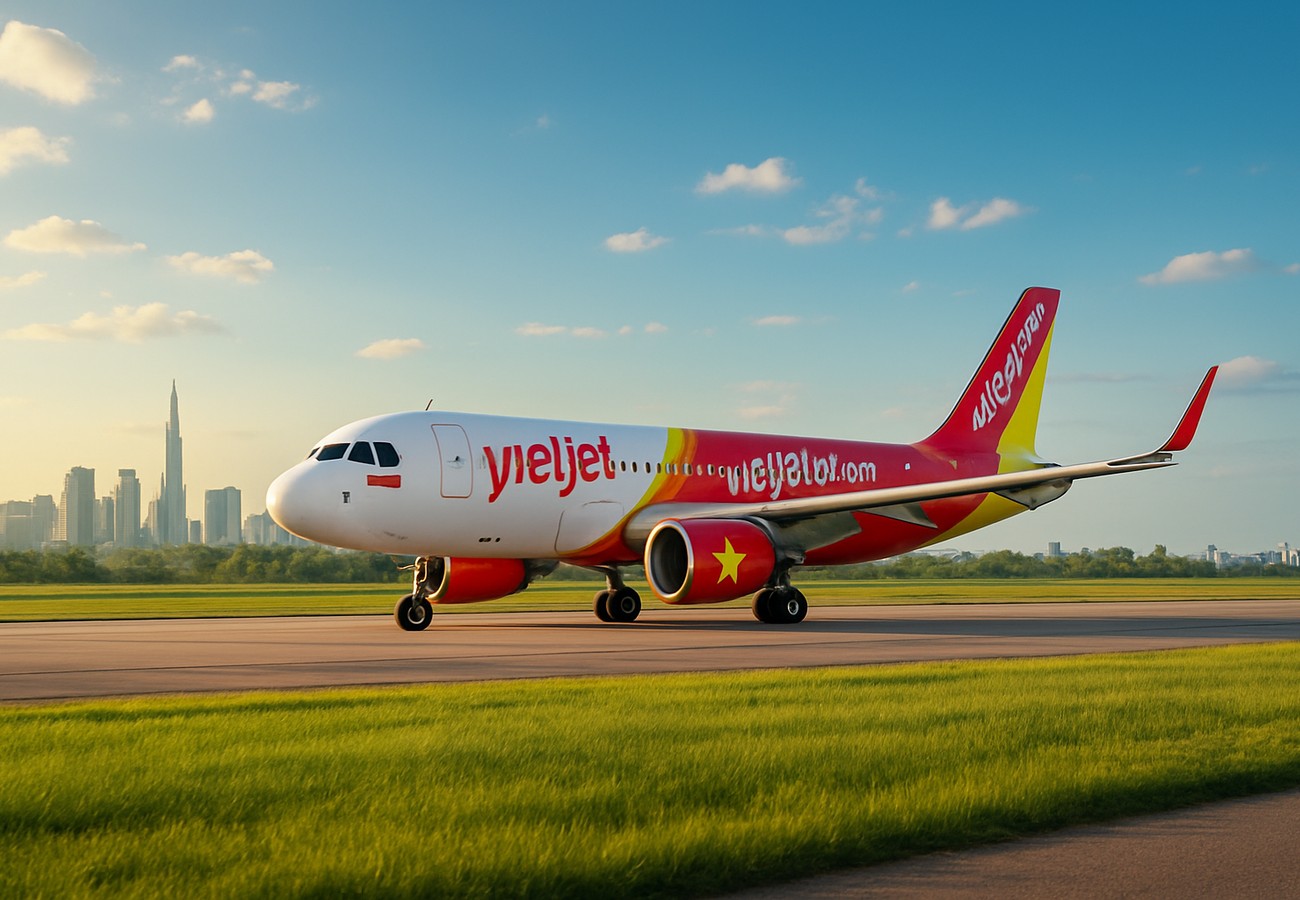
Image generated by AI
VietJet Air, Vietnam's leading low-cost carrier, is slashing approximately 20% of its flight capacity across domestic and international routes, sending shockwaves through Southeast Asia's most critical travel corridors. The cuts, driven by surging fuel and energy costs, are forcing millions of business and leisure travelers to scramble for alternative flights on routes connecting South Korea, Japan, Singapore, Thailand, China, Indonesia, and Malaysia.
What Triggered the Change
Rising fuel prices have squeezed budget carriers harder than full-service airlines, forcing VietJet to make painful choices between profitability and frequency. The airline's operational costs have climbed to unsustainable levels, particularly on long-haul international routes where fuel represents 30-40% of total expenses. According to the International Air Transport Association (IATA), global jet fuel prices remain volatile, with no relief expected in the near term.
This capacity reduction marks a critical inflection point for Southeast Asia's aviation sector. Budget airlines like VietJet have historically driven down fares and expanded connectivity across the region, but rising energy costs are forcing a strategic retreat that will reshape travel patterns for years to come.
Routes and Regions in Focus
The cuts are concentrated on VietJet's most profitable international corridors, with the deepest reductions hitting routes to South Korea and Japan. Here's the precise breakdown of affected services:
| Route | Previous Weekly Flights | New Weekly Flights | Reduction |
|---|---|---|---|
| Hanoi ↔ Seoul | 14 | 7 | 50% |
| Ho Chi Minh City ↔ Busan | 7 | 4 | 43% |
| Ho Chi Minh City ↔ Tokyo | 7 | 4 | 43% |
| Hanoi ↔ Osaka | 7 | 4 | 43% |
South Korea faces the most severe disruption, with the Hanoi-Seoul route cut from 14 weekly flights to 7—a 50% reduction that eliminates mid-week options for business travelers. The Ho Chi Minh City-Busan route drops from 7 to 4 weekly flights, forcing passengers onto competing carriers or longer connection times.
Japan is equally impacted. The Ho Chi Minh City-Tokyo route falls from 7 to 4 weekly flights, while the Hanoi-Osaka service mirrors this reduction, dropping from 7 to 4 weekly flights. These cuts eliminate budget-friendly options during peak travel seasons and force travelers onto premium carriers or indirect routes.
Singapore, Thailand, China, Indonesia, and Malaysia face smaller but still significant reductions. Ho Chi Minh City-Singapore drops from 18 to 13 weekly flights (28% cut), while Ho Chi Minh City-Bangkok falls from 28 to 18 weekly flights (36% cut). Routes to Shanghai, Guangzhou, Jakarta, Denpasar (Bali), and Kuala Lumpur all see 25-43% capacity reductions.
What Travelers Get
- Fewer departure options: Peak-hour flights eliminated on major routes; travelers must book earlier or accept inconvenient times.
- Higher fares: Reduced capacity drives up ticket prices as remaining seats fill faster; expect 15-25% fare increases on affected routes.
- Longer wait times: Rebooking on alternative flights may require 2-7 day delays; connecting flights add 4-8 hours to journey times.
- Limited seat availability: Business and economy cabins fill 85%+ capacity; last-minute bookings nearly impossible during holidays.
- No refund guarantees: VietJet offers rebooking on later flights or partner airlines, but cash refunds are restricted to specific cancellation policies.
What This Means for Travelers
Book flights 6-8 weeks in advance on affected routes—Hanoi-Seoul, Ho Chi Minh City-Tokyo, and Hanoi-Osaka are now operating at half their previous capacity. Consider flying mid-week (Tuesday-Thursday) when fares are lower and seats more available. If flexibility is possible, shift travel dates away from school holidays and peak seasons (April, July-August, December). Monitor VietJet's official website for schedule updates, as further cuts may be announced. Compare fares on competing carriers like Bamboo Airways, AirAsia, and Thai AirAsia—they may offer better availability despite slightly higher base fares. Finally, purchase travel insurance that covers airline disruptions, as rebooking delays could cascade into hotel and connection cancellations.
FAQ: VietJet Flight Cancellations Southeast Asia 2026
Q: Will VietJet restore these flights once fuel prices drop? A: Unlikely in 2026. Budget airlines typically maintain capacity cuts even after fuel prices stabilize, as they've already shifted passengers to competitors. Restoration depends on sustained fuel price declines below $80/barrel.
Q: Can I get a refund if my flight is cancelled? A: VietJet offers rebooking on later flights or partner airlines free of charge. Cash refunds are available only if you booked a refundable fare; most budget tickets are non-refundable.
Q: Which routes are least affected by these cuts? A: Domestic Vietnam routes and short-haul flights to Singapore, Bangkok, and Kuala Lumpur see smaller reductions (25-30%). Long-haul routes to South Korea and Japan are hit hardest (43-50% cuts).
Related Travel Guides
Disclaimer
This article is for informational and educational purposes only. It does not constitute legal, financial, or professional advice. While we strive to provide accurate and up-to-date information, travel policies, regulations, and conditions change rapidly. Always verify information with official sources before making travel decisions. Nomad Lawyer makes no representations about the accuracy, reliability, completeness, or suitability of the information provided. Readers should consult qualified professionals for advice specific to their circumstances. The views expressed in this article are those of the author and do not necessarily reflect the views of Nomad Lawyer.
Kunal K Choudhary
Co-Founder & Contributor
A passionate traveller and tech enthusiast. Kunal contributes to the vision and growth of Nomad Lawyer, bringing fresh perspectives and driving the community forward.
Learn more about our team →