
Houston Bush Intercontinental Paralyzed: 77 Flight Delays, 6 Cancellations Hit United, Spirit, Lufthansa Across US Hub
Major disruptions at Houston IAH as 77 flights delayed, 6 canceled. United Airlines, Spirit, Lufthansa affected. Thousands stranded; tourism and business travel impacted.

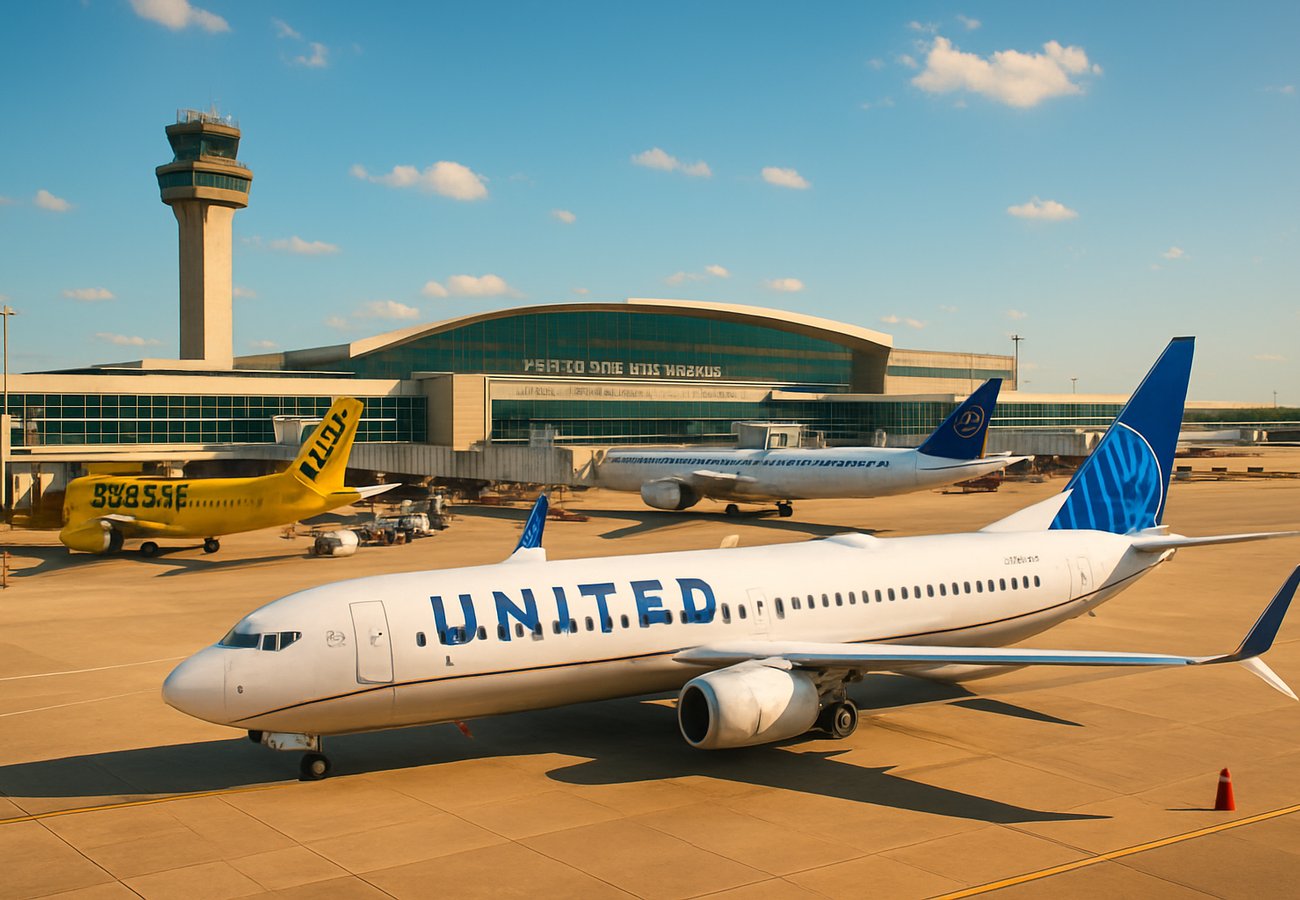
Image generated by AI
A major operational crisis has unfolded at Houston Bush Intercontinental Airport (IAH) on April 14, 2026, leaving thousands of passengers stranded and disrupting both domestic and international travel across the United States. The airport, one of America's busiest aviation hubs, is grappling with 77 flight delays and 6 cancellations involving major carriers including United Airlines, Spirit Airlines, Lufthansa, and regional operators Mesa Air, Republic Airways, and Envoy Air. The cascading disruptions underscore mounting challenges within global aviation infrastructure and highlight how airline operational failures ripple through the broader travel ecosystem.
United Airlines has borne the brunt of today's chaos, with 19 flights delayed and 3 cancellations at IAH alone. The carrier's regional partner Mesa Air reported 14 additional delays, compounding connectivity issues for passengers relying on feeder routes into the Houston hub. Spirit Airlines has also experienced significant disruption, with approximately 3% of its flight operations affected. International carriers including Lufthansa, British Airways, Air New Zealand, and KLM are similarly reporting delays, indicating the disruption extends far beyond domestic operations. According to real-time flight tracking data from FlightAware, the cascading effect has created a domino pattern of delays extending into neighboring airports serving New York, Chicago, and other major U.S. cities.
The root causes of today's disruptions remain under investigation, though industry analysts point to a combination of factors increasingly common in modern aviation: staffing shortages, ground handling delays, and the compounding effect of tight scheduling margins that leave little buffer for operational hiccups. The situation reflects broader challenges facing the airline industry as carriers navigate post-pandemic capacity constraints, elevated fuel prices impacting airlines' operational budgets, and aging airport infrastructure struggling to handle peak-hour traffic volumes. Houston Bush Intercontinental, serving as a critical connection point for both United Airlines and Southwest Airlines, amplifies the impact when disruptions occur, as thousands of connecting passengers face cascading delays across their entire itineraries.
For stranded passengers, the immediate challenge involves navigating rebooking options and securing compensation. United Airlines has activated its customer service protocols, offering meal vouchers and hotel accommodations for passengers facing extended delays exceeding 3 hours. Spirit Airlines and Lufthansa have similarly begun rebooking affected travelers on alternate flights, though limited seat availability across the network has created bottlenecks. Passengers are advised to monitor flight status continuously through airline websites, the FAA's flight delay information system, or airport information boards. Those with flexible itineraries should consider rerouting through alternative hubs such as Dallas/Fort Worth International (DFW) or Austin-Bergstrom International (AUS), though these airports are also experiencing elevated traffic volumes due to diversions from IAH.
The economic implications extend well beyond individual passenger inconvenience. Houston's tourism sector, which generated over **$10 billion in annual visitor spending pre-pandemic, faces significant headwinds as international arrivals face unexpected delays. Visitors booked for the Houston Livestock Show and Rodeo, international business conferences, and the Offshore Technology Conference may experience disrupted travel plans, potentially affecting hotel occupancy, restaurant revenue, and attraction attendance. European travelers arriving via Lufthansa and British Airways represent a substantial portion of Houston's international visitor base, and extended delays risk damaging the city's reputation as a reliable travel destination. The disruption also impacts business travelers attending critical meetings and conventions, with potential consequences for corporate decision-making and deal closures that depend on timely arrival.
What This Means for Travelers
Passengers currently at Houston Bush Intercontinental or planning imminent travel should take immediate action: verify flight status before departing for the airport, contact your airline's customer service for rebooking options if delays exceed 2 hours, and document all expenses related to the disruption for potential compensation claims. Under U.S. Department of Transportation regulations, airlines must provide compensation ranging from $250 to $1,350 depending on flight length and delay duration for cancellations within their control. Request written confirmation of rebooking arrangements and compensation eligibility. Consider purchasing travel insurance for future bookings to protect against similar disruptions, and monitor airline fee structures, as carriers often waive change fees during operational disruptions but may impose them once normal operations resume.
Industry insight: Operational resilience at major hubs like Houston IAH requires redundancy in staffing, ground equipment, and scheduling flexibility—investments many carriers have deferred to maintain profitability amid volatile fuel prices and labor cost pressures.
As evening operations commence at Houston Bush Intercontinental, airport authorities and airline leadership are implementing contingency protocols to prevent further deterioration. The situation underscores a critical vulnerability in North American aviation: the concentration of traffic at mega-hubs creates systemic risk when disruptions occur. With global aviation demand projected to increase 4-5% annually through 2030 according to IATA forecasts, infrastructure investment and operational redundancy must become industry priorities. Travelers should expect continued volatility at major hubs during peak seasons and build flexibility into booking strategies accordingly.
Related Travel Guides
- Swim Dolphins Florida Discount: Discovery Cove Slashes Rates 15% in 2026
- Travel Chaos Unfolds: Over 500 Flights Stranded Across New York, London, and Tokyo; Thousands of Passengers Face Delays and Cancellations
- Singapore Tourism Indonesia: Malaysia Records 42M+ Visitors as Asian Airlines Surge Routes
Disclaimer
This article is for informational and educational purposes only. It does not constitute legal, financial, or professional advice. While we strive to provide accurate and up-to-date information, travel policies, regulations, and conditions change rapidly. Always verify information with official sources before making travel decisions. Nomad Lawyer makes no representations about the accuracy, reliability, completeness, or suitability of the information provided. Readers should consult qualified professionals for advice specific to their circumstances. The views expressed in this article are those of the author and do not necessarily reflect the views of Nomad Lawyer.
Kunal K Choudhary
Co-Founder & Contributor
A passionate traveller and tech enthusiast. Kunal contributes to the vision and growth of Nomad Lawyer, bringing fresh perspectives and driving the community forward.
Learn more about our team →