
Italy, France, Spain Join Digital Travel Authorization Revolution: Biometric Schengen Entry System Launches 2026
Eight European nations launch biometric digital travel authorization systems for non-EU visitors, replacing passport stamps with facial recognition and fingerprint scanning linked to EU Entry/Exit System.

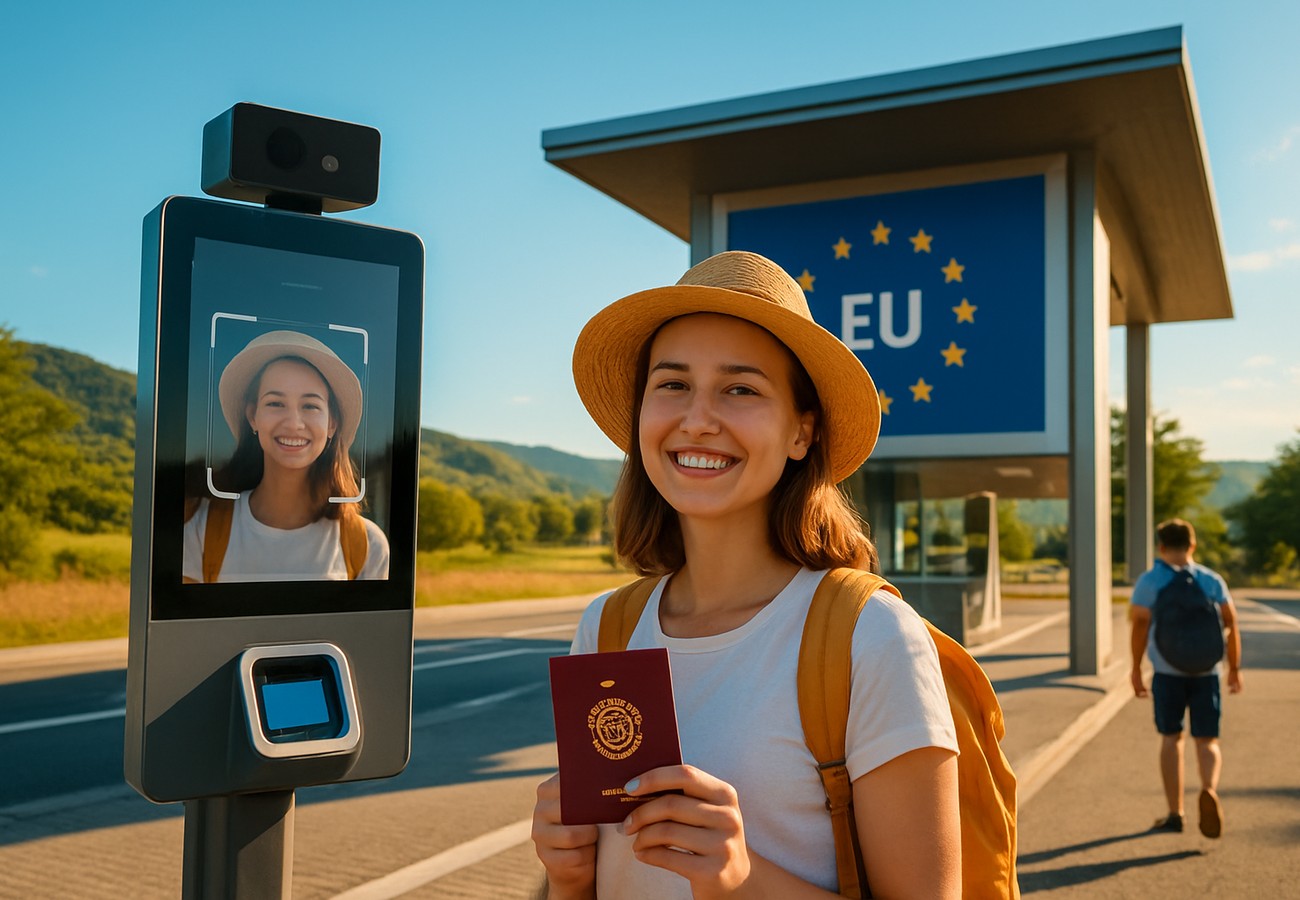
Image generated by AI
Italy, France, Spain, Romania, Hungary, Denmark, and Poland are launching groundbreaking digital travel authorization systems for non-EU visitors, replacing traditional passport stamps with biometric facial recognition and fingerprint scanning. This transformative shift integrates with the EU Entry/Exit System (EES) to record all Schengen Area entries and exits, fundamentally reshaping how international travelers navigate European borders.
What Sparked This Move
Europe's border security infrastructure is undergoing its most significant modernization in decades. These eight nations are adopting advanced biometric technology—including facial recognition and fingerprint scanning—to create faster, more secure entry processes while maintaining rigorous immigration controls. The initiative aims to enhance safety, streamline procedures, and reduce wait times at borders, making travel across the Schengen Area smoother while strengthening security monitoring.
The digital systems directly link to the EU Entry/Exit System (EES), which records when travelers enter and leave the Schengen Area. This technology helps monitor short stays more efficiently, reducing illegal overstays and improving border management across the continent. Non-EU visitors will no longer receive traditional passport stamps; instead, their biometric data will be electronically linked to their passport for seamless border crossing.
Destinations in the Spotlight
| Country | Key Airports | System Launch | Biometric Features |
|---|---|---|---|
| Italy | Rome Fiumicino, Milan Malpensa | 2026 | Facial recognition, fingerprint scanning |
| France | Paris Charles de Gaulle, Nice Côte d'Azur | 2026 | Biometric data collection, SIS integration |
| Spain | Madrid-Barajas, Barcelona-El Prat | 2026 | Digital authorization linked to passport |
| Romania | Henri Coandă (Bucharest) | 2026 | Automated gates, biometric verification |
| Hungary | Budapest Ferenc Liszt | 2026 | Fingerprint, facial recognition via Schengen Entry/Exit System |
| Denmark | Copenhagen Airport | 2026 | Biometric testing underway, full rollout planned |
| Poland | Warsaw Chopin, Kraków John Paul II | 2026 | Digital travel authorization system |
What Travelers Get
- Pre-travel online application required: Non-EU visitors must complete digital authorization before departure, submitting passport information and biometric data for security clearance.
- Biometric data collection: Facial recognition and fingerprint scanning replace manual passport checks, with data securely linked to the Schengen Information System (SIS).
- Automated border gates: Once approved, travelers use electronic gates at major airports like Paris Charles de Gaulle, Rome Fiumicino, and Barcelona-El Prat for faster processing.
- No traditional passport stamps: Digital authorization eliminates stamping, with all entry/exit records stored in the EU Entry/Exit System (EES).
- Faster emergency processing: The system allows quicker handling of urgent travel situations and reduces congestion at busy border checkpoints.
What This Means for Travelers
Non-EU visitors planning trips to Italy, France, Spain, Romania, Hungary, Denmark, or Poland must apply for digital travel authorization online before departure—this is not optional. The application process requires basic travel details, passport information, and biometric data submission. Once approved, your authorization links electronically to your passport, enabling seamless passage through automated gates at border control. Expect significantly faster processing times compared to traditional stamping, but plan ahead: submit your application at least 72 hours before travel to avoid delays. Verify all requirements directly with official EU border management resources before booking your trip, as implementation timelines may vary by country.
FAQ: European Digital Travel Authorization 2026
Q: Do I need to apply for digital travel authorization if I'm a non-EU citizen visiting Italy or France? A: Yes. All non-EU visitors must complete an online pre-travel application before departure, providing passport information and biometric data. This replaces traditional visa stamping for Schengen Area entry.
Q: What biometric data will be collected? A: The system collects facial recognition scans and fingerprint data, which are securely linked to your passport and stored in the EU Entry/Exit System (EES) for border control verification.
Q: How long does the digital authorization process take? A: Most applications are processed within 72 hours. Submit your application well before your travel date to ensure approval and avoid border delays.
Related Travel Guides
- France, Spain, U.S., and China Lead Global Travel Tech Revolution: AI Biometrics and Smart Hospitality Transform 350+ Million Annual Visitors
- Volotea Opens Strasbourg–Copenhagen PSO Route in April and Granada–Porto Link in November 2026
- Georgia Emerging Global Aviation Powerhouse: Breaking Infrastructure Surge
Disclaimer
This article is for informational and educational purposes only. It does not constitute legal, financial, or professional advice. While we strive to provide accurate and up-to-date information, travel policies, regulations, and conditions change rapidly. Always verify information with official sources before making travel decisions. Nomad Lawyer makes no representations about the accuracy, reliability, completeness, or suitability of the information provided. Readers should consult qualified professionals for advice specific to their circumstances. The views expressed in this article are those of the author and do not necessarily reflect the views of Nomad Lawyer.
Kunal K Choudhary
Co-Founder & Contributor
A passionate traveller and tech enthusiast. Kunal contributes to the vision and growth of Nomad Lawyer, bringing fresh perspectives and driving the community forward.
Learn more about our team →