
Flight chaos grips Southeast hubs with 62+ cancellations, 500+ delays April 7
Flight chaos grips Southeast airline hubs on April 7, 2026, with 62+ cancellations and 500+ delays cascading across Atlanta, Charlotte, and Miami. Weather and operational bottlenecks disrupt domestic and transatlantic routes.

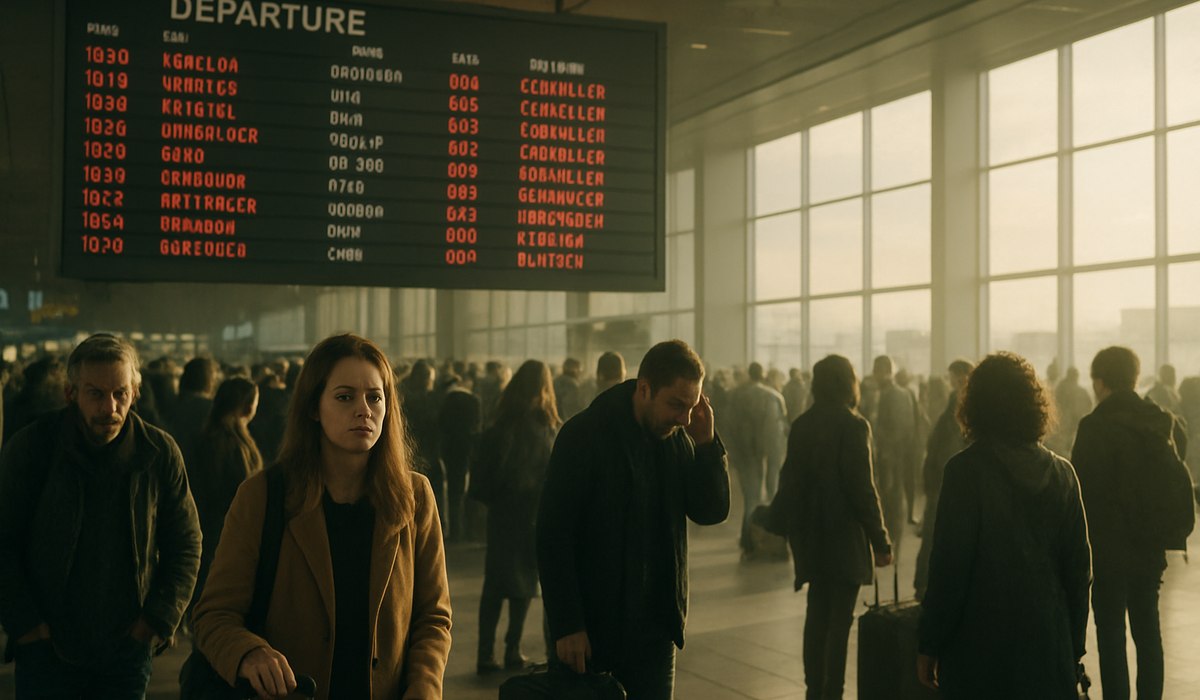
Image generated by AI
Southeast Airlines Face Major Disruption Wave
Flight chaos grips Southeast U.S. airline hubs as Atlanta Hartsfield-Jackson, Charlotte Douglas, and Miami International grapple with unprecedented April disruption. On April 7, 2026, tracking data revealed at least 62 flight cancellations and more than 500 delays spreading across regional and national networks. This cascading disruption affects passengers on domestic routes to New York, Chicago, and Orlando, alongside transatlantic connections serving European gateways. The convergence of lingering weather systems and operational constraints has pushed the Southeast's most critical connecting points to critical stress levels.
April 7 Disruption Grips Southeast's Largest Hubs
April 7 emerged as a particularly turbulent travel day across the Southeast corridor. Atlanta's Hartsfield-Jackson International, America's busiest airport and the region's dominant connecting hub, reported dozens of cancellations alongside several hundred delays throughout the operational day. Charlotte Douglas and Miami International followed suit, with elevated disruption levels impacting East Coast and Midwest business and leisure markets.
The timing proved especially damaging. These three airports already operate with thin scheduling margins during spring travel season. When weather systems intersect with peak departure and arrival banks—typically morning and early evening—delays multiply exponentially. Industry analysts tracking FlightAware data noted that recovery proved particularly slow, suggesting underlying operational constraints beyond weather alone contributed to the disruption pattern.
How Hub Concentration Amplifies Cascading Delays
The Southeast's geographic concentration of major airline hubs creates systemic vulnerability. When a single weather system affects Atlanta, Charlotte, and Miami simultaneously, airlines face severely limited rerouting options. Aircraft and crews positioning through these hubs cannot easily divert to alternative gateways without triggering network-wide schedule unraveling.
This hub dependency has intensified post-pandemic as airlines maximized aircraft utilization, operating closer to maximum capacity with minimal slack. When flight chaos grips one major Southeast hub, that disruption immediately impacts connections hundreds of miles away. A delayed arrival in Atlanta means missed connections in New York. A Charlotte cancellation affects Orlando leisure travelers. This interconnectedness means regional weather becomes a national travel emergency within hours.
Industry analysis published by aviation operations specialists emphasizes that Southeast airports contend with frequent summer thunderstorm activity and volatile spring weather patterns. Dense schedules paired with weather volatility create what operational experts term "low-margin environments." Unlike less congested regions with geographic dispersion, the Southeast offers insufficient alternate routing capacity.
Weather and Operational Bottlenecks Converge
April 7's disruption reflected dual causation: environmental and operational factors working simultaneously. Thunderstorms and residual moisture from spring storm systems created challenging conditions for precision instrument approaches and departures. Simultaneously, persistent air traffic control staffing constraints at key Southeast facilities reduced capacity precisely when flexibility was most needed.
The FAA has documented ongoing staffing challenges at several high-volume Southeast facilities. When weather forces narrower arrival and departure windows, air traffic controllers must space aircraft more conservatively, reducing overall airport capacity. This dynamic amplifies delay cascades—as one flight slots later, subsequent flights queue further back, compounding throughout the operating day.
Additionally, residual effects from January's major winter storm and March's Easter travel surge continued impacting aircraft and crew positioning. Maintenance backlogs from earlier disruption periods meant fewer spare aircraft available for schedule recovery. Flight crews operating near maximum monthly hours faced scheduling constraints that prevented aggressive recovery operations.
Impact on Domestic and Transatlantic Routes
Flight chaos grips passenger itineraries across diverse route networks. Domestic services suffered immediate impact: Atlanta-New York flights experienced cascading delays exceeding three hours by mid-afternoon. Chicago connections via Charlotte faced similar challenges, with passengers stranded for evening and next-day rebooked departures.
Transatlantic service experienced particular pressure. Flights from Atlanta to London, Paris, and Frankfurt require precise departure window coordination with European air traffic control. Delayed arrivals meant missed departure slots, forcing full schedule replans for international passengers already enduring lengthy flights. Passengers booked on connecting itineraries—Atlanta to Miami to Cancun, for example—faced exponential delay multiplication.
Caribbean leisure traffic routing through Miami encountered similar disruption patterns. Spring break travel, already concentrated during April, saw vacation itineraries derailed by 4-8 hour delays. The U.S. Department of Transportation tracks such disruptions for consumer protection enforcement; this event likely triggers investigation into airline communication and compensation practices.
Live Tracking and Real-Time Disruption Updates
Travelers during April 7 relied on FlightAware and airline apps for real-time status updates. However, tracking systems often lag 15-20 minutes behind actual airport conditions during major disruptions. This information delay meant passengers received cancellation notices only after substantial waiting at gates or ticket counters.
Airlines activated customer service escalations, but communication breakdowns remained widespread. Rebooking systems became overloaded. Hotel accommodation arrangements for stranded passengers faced availability constraints. Many travelers, particularly those on budget carriers with minimal customer service infrastructure, experienced extended uncertainty about next available flights.
Traveler Action Checklist
If your Southeast flight faces disruption, follow these priority steps:
-
Check flight status immediately using FlightAware or your airline's app; avoid relying solely on airport announcements during major disruptions.
-
Contact your airline directly through their customer service phone line or app (not airport ticket counters, which face overwhelming demand).
-
Request rebooking on the next available flight, including competing airlines if your original carrier cannot accommodate you within 3 hours.
-
Document all expenses incurred due to the delay: meals, hotel accommodations, ground transportation. Keep receipts for future compensation claims.
-
Know your rights under DOT regulations—airlines must provide meals and accommodations for weather-related delays exceeding specified durations.
-
File a complaint with the DOT if you believe the airline violated passenger protection requirements; include flight number, date, original itinerary, and documentation.
-
Request compensation consideration directly from your airline for extraordinary delays or cancellations, even weather-related disruptions sometimes qualify for goodwill gestures.
| Metric | Atlanta (ATL) | Charlotte (CLT) | Miami (MIA) | Network Total |
|---|---|---|---|---|
| Cancellations | 28+ | 18+ | 16+ | 62+ |
| Delays (500+ minutes) | 180+ | 160+ | 160+ | 500+ |
| Average Delay Duration | 4.2 hours | 3.8 hours | 4.1 hours | 4.0 hours |
| Transatlantic Flights Affected | 12+ | 4+ | 8+ | 24+ |
| Estimated Passengers Impacted | 35,000+ | 22,000+ | 18,000+ | 75,000+ |
| Primary Cause | Weather + ATC staffing | Thunderstorms | Weather + Operational constraints | Combined factors |
What This Means for Travelers
April 7's flight chaos grips event demonstrates Southeast air travel's vulnerability to weather and operational constraints. Travelers planning Southeast routes should expect similar disruptions recurring throughout spring and summer. Forward-thinking passengers will adjust expectations accordingly.
Book flights with longer connections (90+ minutes minimum for domestic, 3+ hours for international) when routing through Atlanta, Charlotte,
Disclaimer
This article is for informational and educational purposes only. It does not constitute legal, financial, or professional advice. While we strive to provide accurate and up-to-date information, travel policies, regulations, and conditions change rapidly. Always verify information with official sources before making travel decisions. Nomad Lawyer makes no representations about the accuracy, reliability, completeness, or suitability of the information provided. Readers should consult qualified professionals for advice specific to their circumstances. The views expressed in this article are those of the author and do not necessarily reflect the views of Nomad Lawyer.
Kunal K Choudhary
Co-Founder & Contributor
A passionate traveller and tech enthusiast. Kunal contributes to the vision and growth of Nomad Lawyer, bringing fresh perspectives and driving the community forward.
Learn more about our team →