
Vietjet Launches Direct Ho Chi Minh City to Cebu Flights in 2026 to Boost Vietnam-Philippines Tourism
Vietjet is bypassing Manila with new direct flights between Ho Chi Minh City and Cebu starting November 10, 2026, streamlining regional travel for leisure and business.

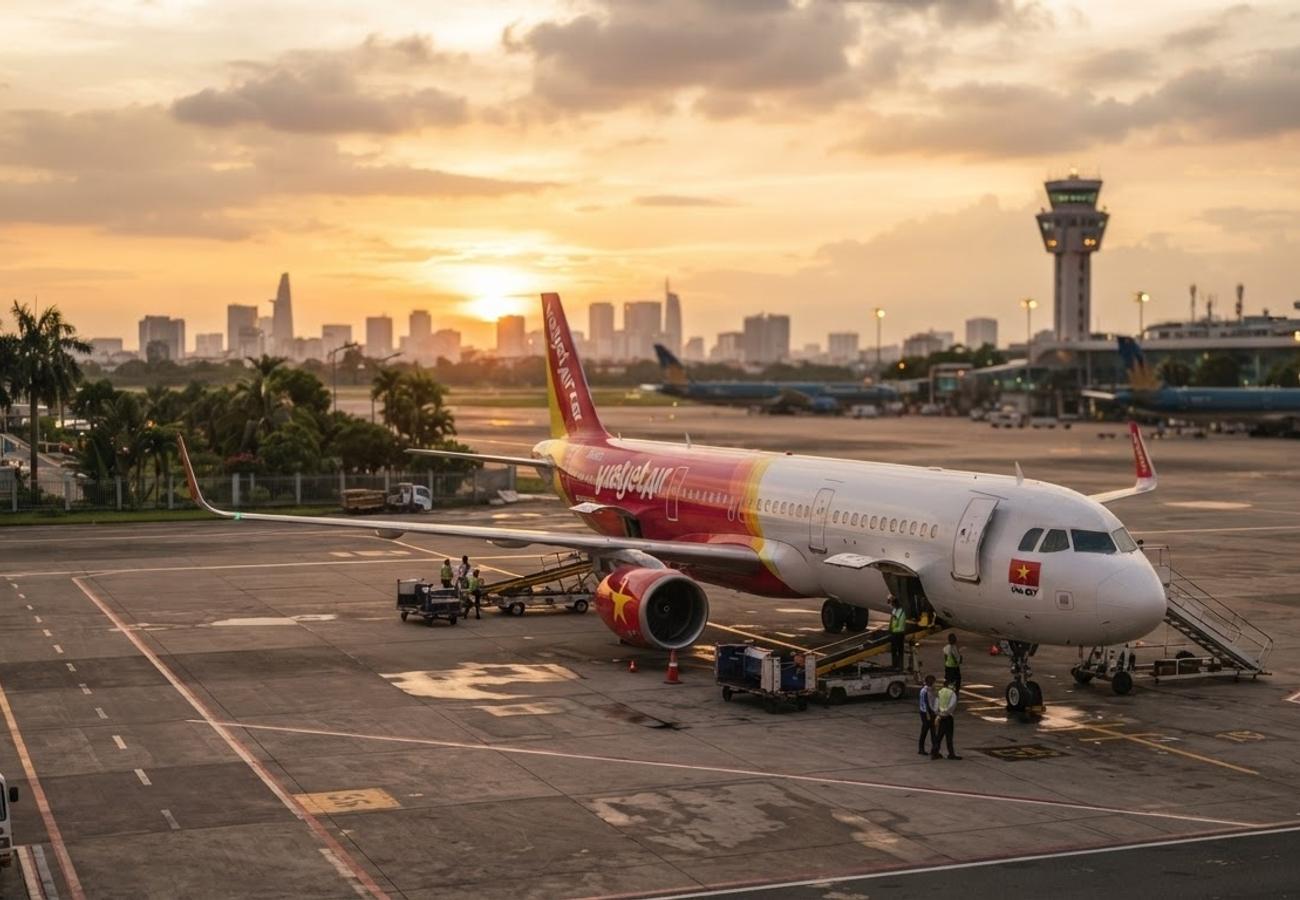
Image generated by AI
Starting November 10, 2026, Vietjet will eliminate the need for Manila layovers with new direct flights between Ho Chi Minh City and Cebu, operating three times weekly.
The aviation map of Southeast Asia is shifting toward point-to-point connectivity. By linking Vietnam’s largest economic hub directly with the heart of the Visayas region, Vietjet is targeting a growing demographic of travelers who prioritize time-efficiency over traditional hub-and-spoke routing. This move transforms Cebu from a regional destination into a primary international gateway, reducing travel friction for both Filipino and Vietnamese nationals.
The New Flight Schedule
The service is designed to balance weekend leisure travel with mid-week business needs. The flight rotations are structured as follows:
| Route | Departure Days |
|---|---|
| Ho Chi Minh City $\rightarrow$ Cebu | Tuesdays, Thursdays, Saturdays |
| Cebu $\rightarrow$ Ho Chi Minh City | Wednesdays, Fridays, Sundays |
Regional Integration and Economic Impact
This route is not an isolated expansion but a strategic pillar of the Philippines–Vietnam Tourism Cooperation Program for 2026 to 2029. This official bilateral agreement focuses on joint promotional activities and the creation of combined tourism packages that encourage visitors to explore both nations in a single itinerary.
For the visitor, the real impact is the removal of the "Manila bottleneck." Previously, travelers from the Visayas were forced into the congested Ninoy Aquino International Airport (NAIA) to reach Vietnam. Direct access to Ho Chi Minh City opens a faster corridor to the Mekong Delta and the southern highlands, while Vietnamese tourists gain an immediate entry point to Cebu’s diving spots and luxury resorts without navigating the capital's traffic.
Expanding the Philippine Footprint
Vietjet is aggressively diversifying its presence in the Philippines. While the Ho Chi Minh City–Manila route remains a staple, the airline is planning further strategic links, including:
- Hanoi to Cebu
- Ho Chi Minh City to Clark
This expansion complements existing services provided by Vietnam Airlines, which already connects Hanoi and Cebu, ensuring that the Visayas region becomes a competitive alternative to Manila for international arrivals.
Visitor Insider Tips
For the Cebu Traveler in Ho Chi Minh City:
- Off-Peak Window: Visit between May and September to avoid the peak winter crowds, though be prepared for the rainy season.
- Local Specialty: Skip the tourist cafes and head to District 4 for authentic Cơm Tấm (broken rice) at street-side stalls.
- Cultural Etiquette: When visiting the War Remnants Museum or Notre Dame Cathedral, dress modestly (shoulders and knees covered) to respect local customs.
For the Vietnamese Traveler in Cebu:
- Hidden Spot: Beyond the malls, take a boat to Olango Island Wildlife Sanctuary for a quieter, eco-centric experience away from the city center.
- Dining Tip: Try Lechon Cebu from local markets rather than hotel buffets for the most authentic flavor profile.
- Transport: Use the Grab app for reliable city transport to avoid the complexities of negotiating jeepney routes.
Tourism Outlook
The long-term trajectory for this route suggests a shift toward "secondary city" tourism. As Cebu strengthens its position as an international aviation center, the local economy—specifically boutique hotels and regional tour operators—stands to gain from a steady stream of high-spending Vietnamese visitors. By bypassing the capital, both cities are fostering a direct cultural and economic exchange that reduces dependency on national hubs and promotes more sustainable, distributed tourism growth across the region.
A new era of seamless connectivity is arriving in the Visayas.
Related Travel Guides
Disclaimer
This article is for informational and educational purposes only. It does not constitute legal, financial, or professional advice. While we strive to provide accurate and up-to-date information, travel policies, regulations, and conditions change rapidly. Always verify information with official sources before making travel decisions. Nomad Lawyer makes no representations about the accuracy, reliability, completeness, or suitability of the information provided. Readers should consult qualified professionals for advice specific to their circumstances. The views expressed in this article are those of the author and do not necessarily reflect the views of Nomad Lawyer.
Preeti Gunjan
Contributor & Community Manager
A passionate traveller and community builder. Preeti helps grow the Nomad Lawyer community, fostering engagement and bringing the reader experience to life.
Learn more about our team →