Vermont, Virginia, Utah, and Texas Tourism Comparison: 2026 Nature and Heritage Travel Guide

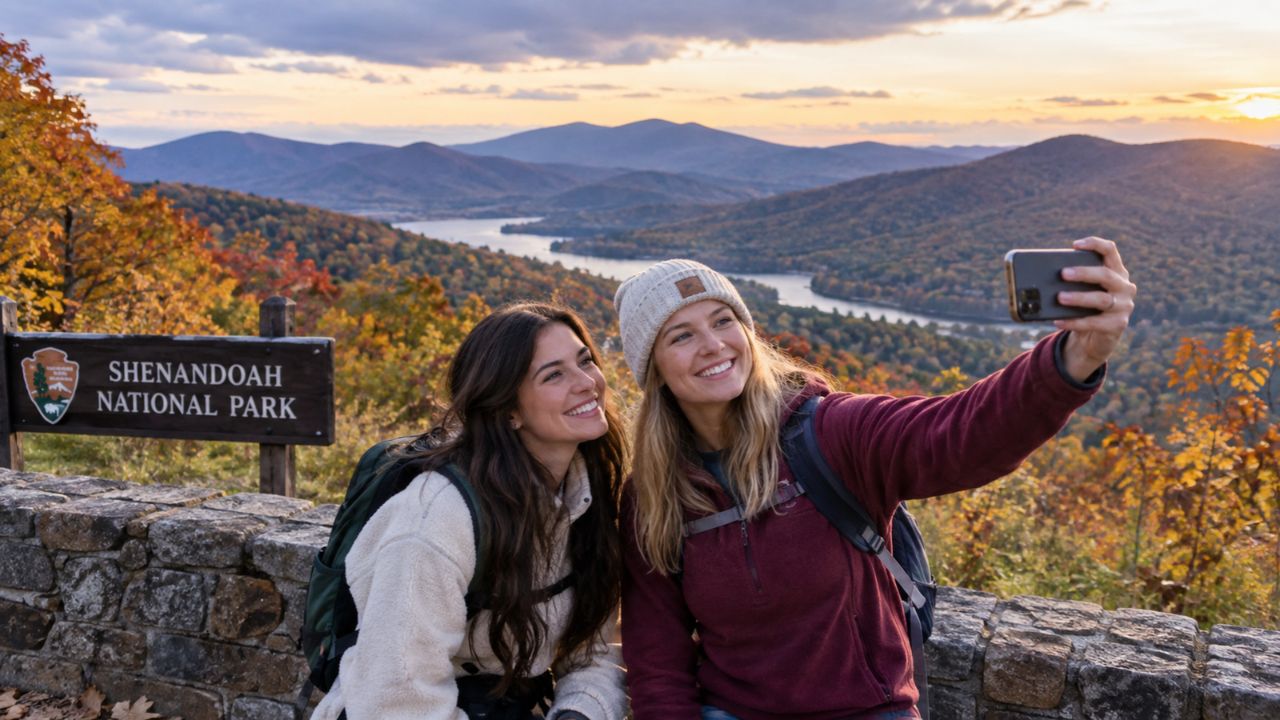
While Texas commands a staggering $98.7 billion in annual traveler spending through urban mega-hubs and sporting events, Vermont and Virginia prove that slow-paced heritage corridors, mountain valleys, and seasonal nature tourism generate America's highest quality visitor loyalty. Fresh 2025–2026 economic evaluations across four distinct geographic models reveal how domestic leisure travelers are reshaping American travel patterns, choosing value-rich driving escapes, farm-to-table culinary retreats, and iconic mountain getaways over high-cost international itineraries.
As travel dynamics evolve across North America, destination choices increasingly reflect personalized travel philosophies. From the quiet maple groves of the Green Mountains and the colonial wine country of the Shenandoah Valley to the red-rock canyons of Utah and the sprawling rodeo arenas of Texas, understanding these distinct regional models helps travelers plan authentic, rewarding journeys tailored to specific seasons.
Comparing Four American Tourism Powerhouses: 2025–2026 Data
The economic performance across these four states underscores distinct visitor motivations, spending profiles, and seasonal traffic concentrations:
- Texas (The High-Volume Powerhouse): Generating $98.7 billion in visitor spending in 2025 following a record 62 million travelers in 2024, Texas anchors its travel economy in metropolitan culture, live music in Austin, convention travel in Houston (which hosted 730,000 citywide meeting delegates in 2025), and heritage at the Alamo and Fort Worth Stockyards. The 2026 World Cup brought 16 matches to Houston and Dallas-Arlington, creating an estimated $3.5 billion economic impact, while outdoor visits to Big Bend National Park rose 1.2% to exceed 568,000 travelers.
- Virginia (The Balanced Heritage Leader): Achieved a record $36.2 billion in visitor spending in 2025—marking four consecutive years of sustained growth—and welcomed 46.6 million overnight visitors. Leisure travel constituted 90% of all overnight trips. Hotel demand in Central Virginia, the Shenandoah Valley, and the Blue Ridge Mountains climbed 3.1% through mid-2026, outpacing the national average of 1.8%, even as international arrivals contracted 11.1%.
- Utah (The Outdoor Adventure Specialist): Reached a record $13.7 billion in visitor spending in 2025 (up 0.6% after inflation), with leisure representing over 92% of all outlays. Non-resident visitors outspent locals by more than four to one. Zion National Park welcomed over 4.9 million travelers, although broader national park visits softened by 4.5% and state park attendance dipped 5.8% amid unseasonably light western snowfall.
- Vermont (The Seasonal and Sustainable Haven): Recorded 16 million visitors spending $4.2 billion in full-year benchmarking (accounting for 9% of state GDP). Despite a 31% drop in Canadian border crossers that lowered northern county hockey bookings by 25%, Vermont's ski resorts achieved 4.36 million skier visits during the 2025–26 season—its strongest performance since 2014–15, up 4.7% year-over-year.
By referencing guides from Vermont Vacation Official Portal and Virginia Tourism Official Portal, travelers can navigate seasonal foliage windows, historic country inns, and coastal scenic routes.
What Makes Each Regional Travel Identity Different
Each of these four states delivers an experiential environment shaped by geography, community scale, and local culture:
- Vermont's Intimate Village Scale: Vermont avoids commercial billboards along highways, preserving uninterrupted vistas of rolling hills, red barns, and white-steepled village greens. The state excels in artisanal cheese trails, maple syrup sugarhouses, covered wooden bridges, and premier ski hubs like Stowe, Killington, Sugarbush, and Jay Peak.
- Virginia's Layered Historical Continuity: Virginia blends 400 years of American history with protected wilderness. Travelers can explore 18th-century living history at Colonial Williamsburg, visit Thomas Jefferson's Monticello in Charlottesville, sample Cabernet Franc along the Monticello Wine Trail, and drive along the crest of National Park Service Shenandoah on Skyline Drive.
- Utah's Monumental Desert Wilderness: Utah offers concentrated geological wonders across the "Mighty 5" (Zion, Bryce Canyon, Capitol Reef, Arches, and Canyonlands), allowing travelers to traverse red sandstone hoodoos and alpine ski basins within a single week.
- Texas's Vast Multi-Cultural Energy: Texas combines Gulf Coast maritime culture in Galveston with authentic pit-smoked barbecue in Lockhart and high-tech space exploration at NASA Johnson Space Center in Houston.
Visitor Insider Tips
Tactical planning ensures seamless transitions through high-demand seasonal destinations.
- Navigating Vermont's Autumn Traffic Controls: Popular foliage hubs like Woodstock, Pomfret (Sleepy Hollow Farm), and Stowe enforce strict parking and local-access traffic restrictions during peak leaf-peeping from late September through mid-October. Use designated park-and-walk shuttle lots or explore secondary foliage routes along Route 100 and Route 108 early on weekday mornings.
- Shenandoah Skyline Drive Fog Tactics in Virginia: When driving Skyline Drive in Virginia between May and October, check morning cloud forecasts. Dense valley fog often obscures ridge overlooks before 9:30 AM; schedule early mornings for valley winery visits and ascend to mountain trailheads like Old Rag or Dark Hollow Falls by early afternoon.
- Securing Permits in Utah's Mighty Five: Angel's Landing in Zion and Fiery Furnace in Arches require advance digital lottery permits months ahead. If permits sell out, explore less-congested alternatives like the East Rim Trail in Zion or scenic drives through Capitol Reef National Park.
- Culinary Road-Tripping in Texas: To experience authentic Central Texas barbecue without three-hour morning queues in Austin, take a 35-minute drive south to Lockhart or Luling, where historic market pits serve post-oak smoked brisket and jalapeño sausage straight onto butcher paper.
- Choosing Base Camps in Vermont and Virginia: In Vermont, base yourself in Waterbury or Manchester to balance farm-to-table dining with quick trailhead access. In Virginia, lodging in Staunton or Charlottesville provides easy access to both Blue Ridge trailheads and Central Virginia wine country.
Cultural and Environmental Context
The evolution of regional tourism reflects changing community priorities and environmental stewardship across the United States. In Vermont, strict land-use conservation laws and agricultural trusts ensure that small dairy farms and sugarbush forests remain protected from commercial suburban sprawl.
In Virginia, preservation foundations and state agencies work to present comprehensive historical narratives, ensuring that African American, Indigenous Powhatan, and colonial stories receive equal historical interpretation at sites like Richmond's Monument Avenue and the historic triangle of Jamestown, Williamsburg, and Yorktown.
In the arid western expanses of Utah and West Texas, dark-sky preservation initiatives have turned national monuments into certified International Dark Sky Parks, providing travelers with pristine astrophotography conditions while minimizing light pollution for nocturnal wildlife.
FAQ: Touring Vermont, Virginia, Utah, and Texas 2026
What is the peak timing for autumn foliage in Vermont?
Foliage color generally peaks in the northern Green Mountains during the final week of September and crests across southern valleys through mid-October.
How do I avoid crowds along Virginia's Shenandoah Valley?
Visit mid-week between Tuesday and Thursday, explore southern access gates near Waynesboro, and pair mountain hikes with visits to independent wineries in Augusta County.
Do I need advance reservations for Utah's national parks in 2026?
Yes. Popular trails like Angels Landing in Zion and vehicle entry during peak hours at Arches require advance digital reservation permits.
What makes Virginia an ideal destination for family heritage travel?
Virginia combines accessible ocean beaches at Virginia Beach with interactive living history museums at Colonial Williamsburg and accessible mountain hikes along the Blue Ridge Parkway.
From the mist-shrouded hollows of the Blue Ridge to the fiery red maples of Vermont, America's true character unfolds along quiet backroads and heritage trails.
Related Travel Guides
This article is for informational purposes. Flight routes, passenger regulations, visa rules, and transit advisories are subject to change by airlines and aviation authorities. Readers are advised to verify schedules and travel documentation with relevant carriers and border agencies before departure.
Related Stories

Austin to Northwest Arkansas Nonstop Flights: Delta Connects Texas Tech with Ozarks Culture and Outdoor Trails 2027

Delta Launches Daily Austin to Northwest Arkansas Nonstop Flights: Ozarks Art and Texas Travel Guide 2027