
Venezuela Tourism Growth: 3.4 Million Visitor Arrivals in 2025
Venezuela tourism activity surged by 44.56% in 2025, welcoming 3.4 million international visitors and validating 1,250 new travel routes.
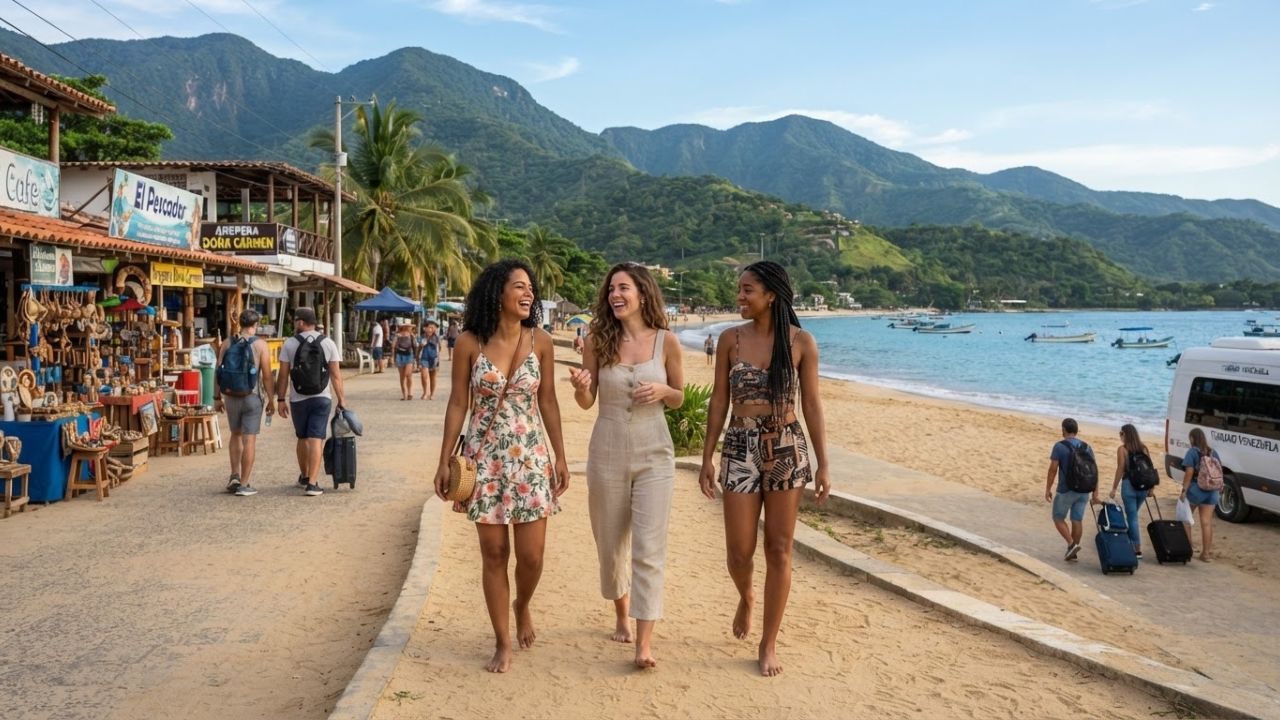
Image generated by AI
Venezuela recorded a significant 44.56 percent increase in tourism activity in 2025 compared to the previous year, welcoming 3,443,966 international visitors by the end of the year. This growth highlights the country's expanding visitor economy, supported by a broader national strategy to diversify regional travel markets.
The Local Trend Revealed
According to data announced during the Christmas Fair of the 14 Productive Engines in Caracas, domestic and regional travel reached new heights, recording 12.2 million tourism movements during peak seasons.
To manage this demand and distribute visitors geographically, the country has validated 1,250 tourism routes. This initiative aims to direct travel interest away from a small number of traditional hotspots, connecting visitors with a wider network of rural and cultural experiences across various states.
This expansion is paired with aggressive international promotion, with the country presenting its tourism products at 17 international fairs to rebuild global visibility.
Cultural & Environmental Value
For the traveler, the real impact of these validated routes is the direct support of local communities and preservation efforts. By traveling along these defined corridors, visitors directly contribute to the livelihood of family-run guest houses (posadas) and independent tour operators in remote regions like the Gran Sabana.
The validation of 1,250 tourism routes, overseen by the Ministry of Tourism of Venezuela (Mintur), helps prevent overtourism at fragile destinations such as Canaima National Park and Angel Falls. The National Institute of Parks (Inparques) manages these conservation corridors to ensure that visitor activity aligns with environmental carrying capacities, protecting watersheds and regional biodiversity.
Visitor Insider Tips for Traveling in Venezuela
Local specialists suggest the following tips for travelers visiting Venezuela:
- Observe the Off-Peak Window: The ideal time to visit is during the dry season from November to April. This window offers comfortable temperatures and clear weather, which is the best time for trekking in the Andes or visiting beaches in Choroní.
- Observe Cash Etiquette: US dollars are widely accepted for transactions, but bills must be clean, crisp, and completely free of tears, markings, or heavy creases. Local merchants and banks will routinely reject imperfect bills.
- Sample Local Culinary Specialties: Try traditional Arepas stuffed with local cheese, black beans, or shredded beef. For a sweet treat, sample dark chocolate made from world-renowned Chuao cacao beans, grown on historic coastal plantations.
- Explore Under-the-Radar Spots: Visit the historic colonial town of Choroní and its secluded Playa Grande beach, or travel to the Catatumbo River to witness the unique atmospheric lightning phenomenon that flashes thousands of times per night.
- Respect Local Regulations: When traveling within national parks, always hire certified community-based guides to ensure safety and comply with regional preservation guidelines.
FAQ: Venezuela Tourism Growth
How many international visitors did Venezuela receive in 2025? Venezuela welcomed 3,443,966 international visitors by the end of 2025, representing a 44.56 percent increase compared to 2024.
What is the significance of the 1,250 validated tourism routes? These routes help distribute travel demand geographically, connecting visitors with a wider variety of regional destinations and reducing environmental pressure on popular hotspots.
What is the best off-peak season to visit Venezuela? The best time to visit is during the dry season from November to April, which offers ideal weather for outdoor recreation and coastal travel.
How does traveling in Venezuela support local economies? Travelers directly support regional families by staying at locally owned posadas, dining at neighborhood restaurants, and hiring independent community guides.
Related Travel Guides
Disclaimer
This article is for informational and educational purposes only. It does not constitute legal, financial, or professional advice. While we strive to provide accurate and up-to-date information, travel policies, regulations, and conditions change rapidly. Always verify information with official sources before making travel decisions. Nomad Lawyer makes no representations about the accuracy, reliability, completeness, or suitability of the information provided. Readers should consult qualified professionals for advice specific to their circumstances. The views expressed in this article are those of the author and do not necessarily reflect the views of Nomad Lawyer.