
Venezuela and Caracas Reconnect as Simón Bolívar Airport Restores Domestic and International Flights
Venezuela and Caracas Reconnect as Simón Bolívar Airport Restores Domestic and International Flights

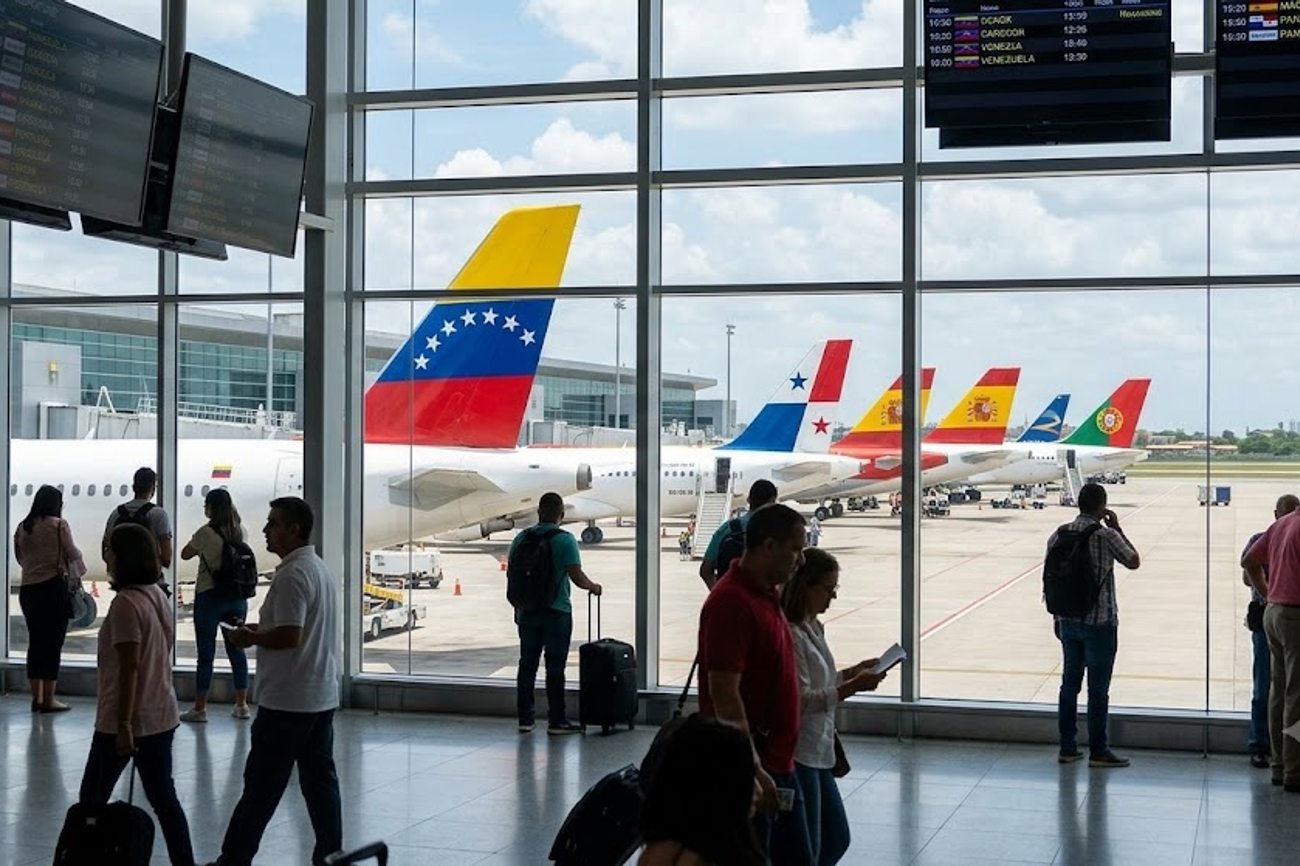
Image generated by AI
7.2 and 7.5 magnitude earthquakes on 24 June 2026 paralyzed Venezuela's primary aviation artery, forcing a total suspension of commercial operations at Simón Bolívar International Airport for nearly ten weeks. The resumption of flights on 1 September marks a precarious return to connectivity, though the facility is currently operating as a makeshift hub rather than a fully restored international gateway. For the global travel community and the business interests tied to Caracas, the reopening is less a return to normalcy and more a strategic exercise in crisis management through modular infrastructure.
The Maiquetía Infrastructure Collapse
The seismic events of late June did more than shake the ground in La Guaira state; they compromised the structural integrity of the most critical aviation asset in northern Venezuela. The double-hit earthquakes caused extensive damage to the runways and the permanent passenger terminals, rendering the facility unsafe for the high-volume throughput required for international and domestic transit. Because Simón Bolívar International Airport serves as the primary lifeline for the Caracas metropolitan area, its closure created a systemic vacuum in the region's logistics.
To bypass the ruined permanent structures, authorities implemented a rapid-deployment strategy, erecting modular passenger-processing facilities in the vicinity of the airport parking area. This temporary complex, spanning approximately 10,000 square metres, now functions as the sole point of entry and exit for the capital. The shift from a fixed terminal to a modular system necessitates a total change in passenger flow; travelers no longer walk from gates to aircraft but are instead shuttled via buses between the temporary processing zones and the tarmac.
Operational Capacity and Recovery Metrics
The current operational state of the airport is a fraction of its pre-disaster utility. While the modular facilities are a feat of rapid engineering, they impose a hard ceiling on the number of passengers the airport can process. The temporary infrastructure is engineered to handle a maximum of 2,168 passengers per day, a figure that pales in comparison to the airport's historical peak loads.
The recovery has been phased, with a clear trajectory from total shutdown to partial functionality. Upon the 1 September reopening, the airport was operating at roughly 25% of its pre-earthquake activity levels. While recent reports suggest the facility has now surpassed 50% of its previous capacity, the gap remains significant.
| Recovery Metric | Data Point |
|---|---|
| Seismic Events | Magnitude 7.2 & 7.5 (24 June 2026) |
| Downtime Duration | Approx. 10 Weeks |
| Reopening Date | 1 September 2026 |
| Temporary Facility Size | 10,000 Square Metres |
| Daily Passenger Ceiling | 2,168 Passengers |
| Initial Recovery Capacity | 25% of pre-quake levels |
| Current Recovery Status | >50% of pre-quake levels |
Expert Analysis: The Logistics of a Fractured Hub
For travelers and logistics managers, the current state of Simón Bolívar International Airport represents a "bottleneck economy." The reliance on a 10,000 square metre modular facility means that any surge in passenger volume—whether from a holiday peak or a diplomatic event—will likely result in severe congestion. The transition to bus-based boarding adds a layer of operational friction that increases turnaround times for airlines and elevates the risk of delays.
The pricing pressure created by this capacity constraint cannot be ignored. With a daily cap of 2,168 passengers, seat inventory is strictly limited. When supply is capped by physical infrastructure rather than market demand, ticket prices typically spike. Travelers booking routes into Caracas should expect higher fares and lower availability until the permanent terminals are restored.
Furthermore, the diversion of flights to secondary airports in Carabobo and Anzoátegui during the closure highlighted the fragility of Venezuela's aviation network. While the return of carriers like Copa Airlines, Iberia, and LATAM Airlines signals international confidence, the operational reality remains precarious. The use of temporary terminals is a stopgap that allows for the flow of essential business and tourism, but it does not support the scalable growth required for a full tourism rebound. For the International Air Transport Association (IATA), this serves as a case study in the necessity of modular redundancy in disaster-prone aviation hubs.
Key Takeaways
- Capacity Constraints: The airport is currently capped at 2,168 passengers per day, meaning flight availability is significantly lower than pre-June 2026 levels.
- Logistical Shifts: Passengers must use bus transfers between the 10,000 square metre modular terminal and the aircraft; traditional jet-bridge boarding is unavailable.
- Phased Recovery: While the airport has moved beyond 50% of its former operational capacity, it is not yet a full return to standard schedules.
- Carrier Status: Major operators including Conviasa, Laser Airlines, Avianca, GOL, and Plus Ultra are resuming services, but schedules remain volatile.
- Economic Ripple Effect: The reopening is vital for the La Guaira economy and the broader tourism sector, which relies on Caracas as the primary gateway to the Caribbean coast and interior rainforests.
FAQ: Caracas Aviation Recovery 2026
Is Simón Bolívar International Airport fully open for travel? No. While commercial flights resumed on 1 September, the airport is operating through temporary modular terminals. Permanent infrastructure is still under reconstruction, and the airport is currently functioning at over 50%—but not 100%—of its previous capacity.
How do I get from the terminal to my plane at Maiquetía? Because the permanent terminal buildings are damaged, passengers are processed in a temporary 10,000 square metre facility near the parking area and then transported to their aircraft via shuttle buses.
Which airlines are currently flying into Caracas? Resuming or planning services include Conviasa, Laser Airlines, Copa Airlines, Air Europa, Iberia, Avianca, LATAM Airlines, GOL, and Plus Ultra. Travelers should verify specific flight status directly with the airline.
Will the earthquake damage affect my transit time? Yes. The shift to modular processing and bus transfers, combined with a lower daily passenger ceiling (2,168 people), means travelers should allow extra time for check-in, security, and boarding.
The transition from rubble to modular terminals is a victory for resilience, but the road to full operational capacity remains a long-haul flight.
#SimónBolívarAirport #CaracasAviation2026 #MaiquetíaRecovery #VenezuelaTravelLogistics #LaGuairaSeismicRecovery #LatinAmericaAirTransit
Related Travel Guides
- Dominican Republic Partners With Somalia to Unlock New Tourism Trade and Investment Opportunities Through Diplomatic Ties
- Vietnam Travel Goes Fully Digital: Vietnam Airlines Discontinues Plastic Cards and Expands AI Loyalty in 2026
- Europe's Best Airport Lounges 2026: Vienna, Rome, Heathrow, and Munich Redefine Premium Transit
Disclaimer
This article is for informational and educational purposes only. It does not constitute legal, financial, or professional advice. While we strive to provide accurate and up-to-date information, travel policies, regulations, and conditions change rapidly. Always verify information with official sources before making travel decisions. Nomad Lawyer makes no representations about the accuracy, reliability, completeness, or suitability of the information provided. Readers should consult qualified professionals for advice specific to their circumstances. The views expressed in this article are those of the author and do not necessarily reflect the views of Nomad Lawyer.
Kunal K Choudhary
Co-Founder & Contributor
A passionate traveller and tech enthusiast. Kunal contributes to the vision and growth of Nomad Lawyer, bringing fresh perspectives and driving the community forward.
Learn more about our team →