
Indigenous Tourism on Vancouver Island Generates C$1.1 Billion Driven by Wildlife and Heritage Safaris
Vancouver Island First Nations operators drive C$1.1B in annual economic impact across wildlife safaris, heritage resorts, and shoulder-season travel.

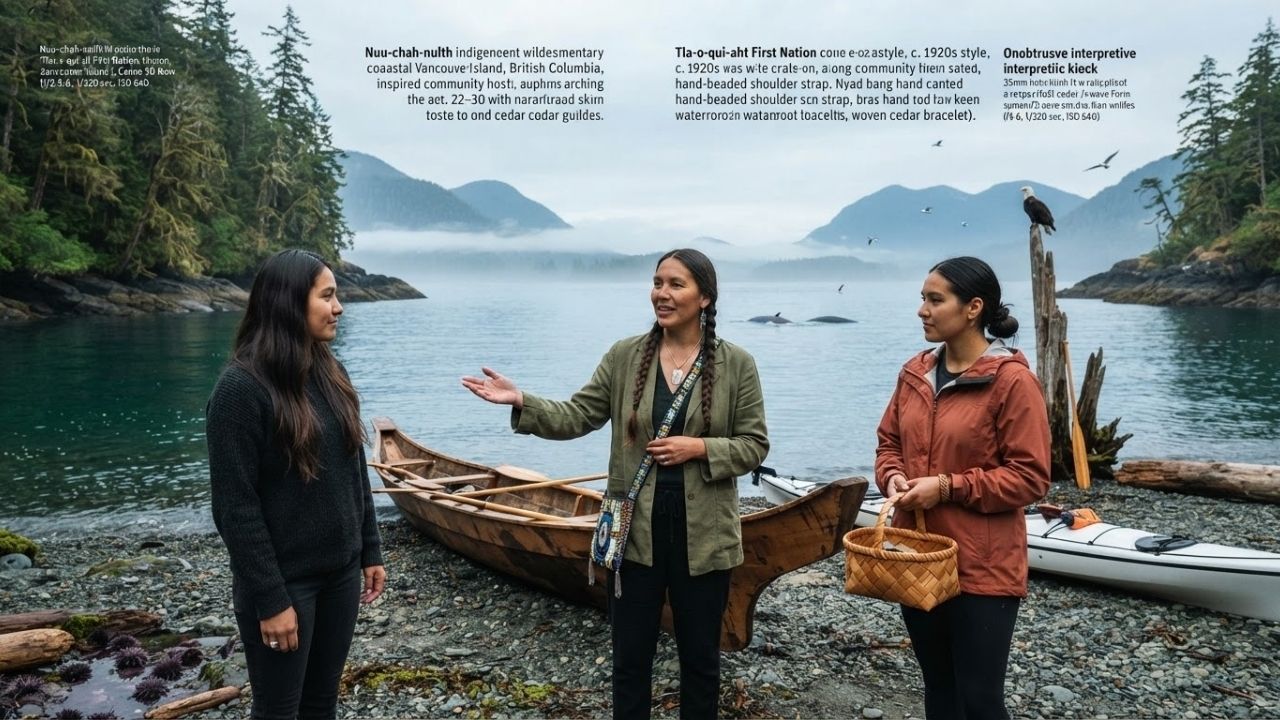
Image generated by AI
Indigenous-led travel across Vancouver Island has evolved into a C$1.1 billion annual economic driver for British Columbia, supporting over 400 First Nations businesses and 10,000 jobs. Official provincial data indicates one in four visitors now seeks authentic First Nations cultural experiences, with eco-tours in Tofino and grizzly-bear safaris in Port McNeill expanding year-round traveler demand.
[VICTORIA, British Columbia, Sept. 2, 2026] — Market research published by Indigenous Tourism BC and Destination British Columbia demonstrates rapid commercial growth across Vancouver Island's First Nations hospitality sector. The island—home to the Coast Salish, Nuu-chah-nulth, and Kwakwaka’wakw peoples—holds 16% of British Columbia's total tourism businesses, marking the province's largest regional operator concentration outside the Greater Vancouver metropolitan area.
Provincial figures indicate that one in four visitors (25%) actively seeks authentic Indigenous travel experiences during their trip to British Columbia. Statewide, Indigenous tourism contributes C$1.1 billion annually to provincial GDP, supporting more than 400 Indigenous-owned enterprises and 10,000 jobs, representing a substantial expansion from post-pandemic recovery baselines.
Indigenous Operators Drive Vancouver Island's Regional Tourism Boom
The growth of Vancouver Island’s Indigenous tourism portfolio spans wildlife viewing, wilderness lodging, ocean kayaking, cultural storytelling, and farm-to-table culinary offerings:
- Grizzly Bear & Wilderness Safaris: Sea Wolf Adventures in Port McNeill offers wildlife viewing in the Broughton Archipelago and Great Bear Rainforest, combining marine transport with Kwakwaka’wakw cultural interpretation.
- Eco-Tours & Marine Expeditions: Ahous Adventures in Tofino provides Ahousaht-owned whale watching, bear viewing, and excursions to Hot Springs Cove.
- First Nations Hospitality & Lodging: The Best Western Plus Tin Wis Resort in Tofino is owned and operated by the Tla-o-qui-aht First Nation, while the 4-star Kwa’lilas Hotel in Port Hardy showcases local indigenous woodcarvings and artwork. Wahous Wilderness Lodge near Tofino offers forest immersion and locally sourced culinary programming.
Wildlife Safaris and Heritage Resorts Lead Coastal Experiential Travel
To help travelers verify authentic Indigenous operations, Indigenous Tourism BC launched the Authentic Indigenous designation program. Six new enterprises earned certification in late 2025, with the program landing page becoming the organization's most visited consumer portal for five consecutive months.
The verification framework ensures that accredited businesses are majority Indigenous-owned, respect community cultural protocols, and directly benefit local First Nations economies.
Five-Year Economic Benchmarks: B.C. Indigenous Tourism Growth (2021–2025)
| Industry Benchmark / Economic Indicator | Earlier Recovery Baseline | Latest Official Figure (2024–2026) | Overall Growth & Significance |
|---|---|---|---|
| B.C. Indigenous Tourism Businesses | 300+ businesses (2021-22) | 400+ active businesses | Sector footprint expanded across 6 regions |
| Annual Economic Contribution | Recovery phase | C$1.1 billion annually | Major provincial GDP driver |
| Indigenous Sector Employment | ~1,200 recovery jobs maintained | Approximately 10,000 jobs | Massive labor market expansion |
| Total B.C. Tourism Revenue | C$18 billion (2022) | C$23 billion (2024) | +27.8% growth (+4.2% YoY) |
| Provincial Tourism GDP Contribution | C$7.2 billion (2022) | Nearly C$8 billion (2024) | Sustained economic recovery |
| Vancouver Island Share of B.C. Tourism | 16% regional share | 16% regional share (16,925 B.C. total) | Highest concentration outside Vancouver |
| Training Initiative Participants | Capacity-building phase | 1,000+ trained participants | Broad workforce skill development |
Seasonality Analysis: Winter and Shoulder-Season Growth Opportunities
Resident perception surveys conducted by Destination BC highlight significant seasonal imbalances across Vancouver Island. While 40% of residents view summer visitor volume as "too high," 42% believe winter tourism is "too low."
Indigenous cultural experiences—including indoor storytelling, museum exhibits, culinary workshops, and storm-watching retreats—offer an ideal vehicle for expanding shoulder-season and winter travel (October through April).
| Travel Season | Resident Survey: "Too Many Tourists" | Resident Survey: "Right Amount" | Resident Survey: "Too Few Tourists" |
|---|---|---|---|
| Winter | 4% | 53% | 42% (High growth potential) |
| Spring | 9% | 74% | 17% |
| Summer | 40% (Peak congestion) | 51% | 8% |
| Fall | 7% | 68% | 25% (Shoulder-season target) |
International Case Studies: Benchmarking Global Indigenous Tourism Models
International data from Destination Canada confirms that global travelers increasingly prioritize authentic cultural immersion. Comparing Vancouver Island with leading global markets underscores the potential for growth:
| Destination / Market | Primary Visitor Metric | Indigenous / Cultural Performance Indicator | Key Strategic Takeaway |
|---|---|---|---|
| Vancouver Island / B.C. | C$23B overall tourism revenue | C$1.1B impact / 400+ Indigenous businesses | Strong growth in wilderness & wildlife safaris |
| Australia (National) | 3.0M First Nations-related trips | 1.1M international trips (37% share) | High international appetite for First Nations art & lore |
| New South Wales (Australia) | 796,600 overnight Aboriginal visitors | 497,100 international (+10% YoY, A$2.6B spend) | Cultural travel drives high daily visitor spending |
| New Zealand | 3.31M international arrivals | 24.2% visited a Māori site (89.7% satisfaction) | Māori culture serves as a core national travel brand |
| Sámi Lapland (Finland) | 82,000+ Siida Museum visitors | +20% YoY increase (14,000 peak July visitors) | Connects arctic wilderness with Indigenous history |
| Hawaiʻi (USA) | 9.70M annual visitors | US$20.72B spending (US$243 daily spend) | Integrates native Hawaiian culture into mass tourism |
Community Benefit and Authentic Certification Expansion
The shift toward Indigenous-led tourism represents a fundamental change in destination management. By placing land stewardship and heritage interpretation directly in the hands of First Nations communities, Vancouver Island protects sensitive ecosystems while ensuring economic returns remain local.
Furthermore, training programs—such as the Indigenous Tourism Training Initiative—have upskilled over 1,000 participants across British Columbia, equipping youth and community members with hospitality management credentials.
Industry Impact Analysis: Elevating First Nations Leadership in Sustainable Tourism
Hospitality analysts note that Vancouver Island’s model demonstrates how high-yield eco-tourism can coexist with cultural conservation. By combining bear-watching and marine conservation with traditional Kwakwaka’wakw and Nuu-chah-nulth ecological knowledge, operators deliver a richer product than standard sightseeing tours.
This integration strengthens community resilience, diversifies rural island economies beyond forestry and commercial fishing, and creates year-round employment in remote coastal villages.
Why This Matters: Essential Takeaways for Travelers Visiting Vancouver Island
For international visitors planning trips to Vancouver Island in 2026, incorporating Indigenous experiences elevates the journey:
- Look for the "Authentic Indigenous" Seal: Select certified operators to guarantee direct First Nations ownership and authentic cultural protocols.
- Book Grizzly Bear Safaris Early: Reserve spring and autumn bear-watching tours in Port McNeill and Tofino several months in advance due to strict daily visitor caps.
- Plan Shoulder-Season Visits: Travel during October, November, or April to enjoy mild weather, storm watching, and cultural experiences without summer crowds.
- Stay in First Nations-Owned Accommodations: Support local economies by booking stays at Tin Wis Resort in Tofino or Kwa’lilas Hotel in Port Hardy.
Frequently Asked Questions
What is the economic impact of Indigenous tourism in British Columbia?
Indigenous tourism contributes C$1.1 billion annually to British Columbia’s economy, supporting over 400 businesses and 10,000 jobs.
What percentage of visitors to British Columbia seek Indigenous experiences?
Official provincial statistics show that one in four visitors (25%) seeks authentic Indigenous cultural experiences while traveling in B.C.
Where can travelers experience Indigenous bear-watching tours on Vancouver Island?
Major Indigenous wildlife operators include Sea Wolf Adventures in Port McNeill (Broughton Archipelago) and Ahous Adventures in Tofino.
What is the Authentic Indigenous designation?
It is a certification program managed by Indigenous Tourism BC that verifies businesses are majority Indigenous-owned and adhere to authentic cultural protocols.
Related Travel Guides
Disclaimer
This article is for informational and educational purposes only. It does not constitute legal, financial, or professional advice. While we strive to provide accurate and up-to-date information, travel policies, regulations, and conditions change rapidly. Always verify information with official sources before making travel decisions. Nomad Lawyer makes no representations about the accuracy, reliability, completeness, or suitability of the information provided. Readers should consult qualified professionals for advice specific to their circumstances. The views expressed in this article are those of the author and do not necessarily reflect the views of Nomad Lawyer.
Raushan Kumar
Founder & Lead Developer
Full-stack developer with 11+ years of experience and a passionate traveller. Raushan built Nomad Lawyer from the ground up with a vision to create the best travel and law experience on the web.
Learn more about our team →