
Baja California Emerges as Mexico's Premier Eco-Tourism and Culinary Destination
Baja California expands its luxury eco-tourism and culinary profile with Pacific surfing, Ensenada wine routes, and Sea of Cortez marine safaris.

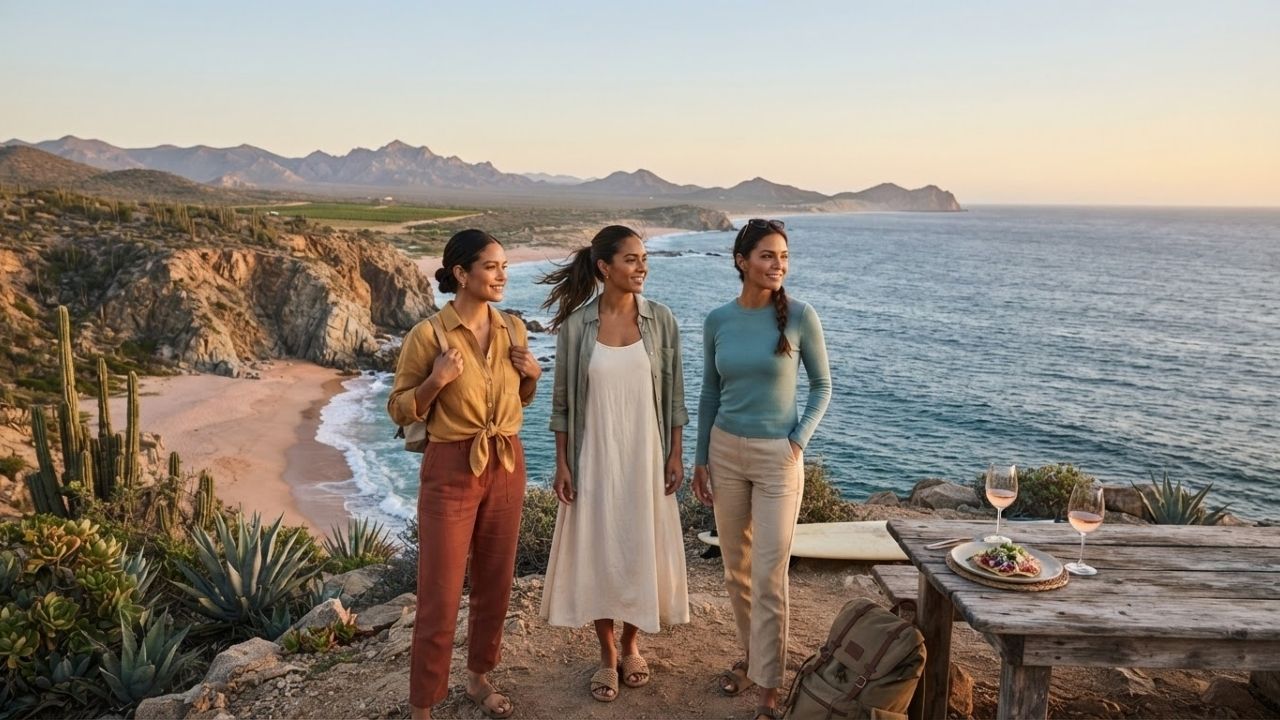
Image generated by AI
Baja California is consolidating its position as Mexico’s leading eco-tourism and culinary frontier, driven by expanding wine routes around Ensenada, Pacific coastal surfing, and marine biodiversity in the Sea of Cortez. Regional travel operators report surging international demand for farm-to-table gastronomy, desert adventure expeditions, and seasonal whale-watching safaris across the peninsula.
[MEXICALI, Mexico, Sept. 2, 2026] — Destination analytics and travel trends released by the Baja California Secretariat of Tourism demonstrate rapid growth across the state's outdoor adventure and gastronomic sectors. Flanked by the Pacific Ocean to the west and the tranquil waters of the Sea of Cortez to the east, the northern peninsula state offers a contrasting landscape of desert mountain ranges, volcanic formations, and pristine coastal bays.
As international vacationers seek active, authentic travel experiences over traditional resort stays, Baja California has emerged as a key beneficiary. Increased flight connectivity into Tijuana and Loreto, combined with expanded highway infrastructure, allows visitors to seamlessly pair coastal ocean sports with vineyard tours in Valle de Guadalupe and eco-expeditions in protected marine parks.
Contrast of Ecosystems: Pacific Ocean Coastlines and the Sea of Cortez
Baja California’s geographic profile is defined by its dramatic marine and terrestrial contrasts. The Pacific coast features steep sea cliffs, cold ocean swells, and isolated bays that attract professional surfers and coastal road-trippers year-round.
In contrast, the eastern coastline along the Sea of Cortez—famously designated a "World Aquarium" by marine biologists and recognized under UNESCO World Heritage protection—offers calm, warm waters rich in marine biodiversity. Guided expeditions provide close encounters with grey whales, humpback whales, blue whales, whale sharks, sea lions, and hundreds of endemic reef fish species.
Ensenada Wine Routes and Coastal Gastronomy Drive Global Culinary Attention
Beyond its physical landscape, Baja California has established itself as Mexico’s premier epicurean destination. The state’s culinary movement combines fresh Pacific seafood, organic regional agriculture, and innovative winemaking techniques.
The fertile micro-climates of Valle de Guadalupe, San Vicente, and Santo Tomás around Ensenada produce over 80% of Mexico’s domestic wine. Local winemakers and renowned chefs have created a flourishing farm-to-table dining ecosystem, blending traditional Mexican flavors with Mediterranean culinary influences. Street-food culture also thrives, with local fish tacos and ceviche stands attracting food critics worldwide.
Outdoor Expeditions: Surfing, Kayaking, and Desert Mountain Biking
For adventure enthusiasts, Baja California provides high-adrenaline activities across varied terrain:
- Pacific Coastal Surfing: Renowned break points in San Miguel, K-38, and Punta Abreojos deliver consistent swells for beginner and veteran surfers alike.
- Sea of Cortez Sea Kayaking & Paddleboarding: Calm, crystal-clear inlets surrounding Bahia de los Angeles and Loreto offer ideal conditions for multi-day kayak camping.
- Desert Mountain Biking & Trail Running: Rugged trails winding through Sierra de Juárez and Sierra de San Pedro Mártir provide challenging high-altitude desert routes.
- Wilderness Camping & Stargazing: Low light pollution across central desert reserves makes dark-sky camping a major draw for astronomy enthusiasts.
Regional Infrastructure and Adventure Travel Highlights in Baja California
| Region / Destination Hub | Core Attraction & Activities | Strategic Travel Profile |
|---|---|---|
| Ensenada & Valle de Guadalupe | Wine tasting, farm-to-table dining, artisanal cheese & seafood | Mexico's primary wine country & gourmet culinary epicenter |
| Sea of Cortez Marine Parks | Whale watching, sea lion diving, whale shark snorkeling | UNESCO marine biosphere featuring high marine biodiversity |
| Pacific Coast (Tijuana to San Quintín) | Big-wave surfing, coastal road trips, sea-cliff hiking | Cold-water ocean adventures & accessible coastal access |
| Sierra de San Pedro Mártir | National observatory, high-altitude trekking, pine-forest trails | High-elevation alpine wilderness & dark-sky stargazing |
| Cataviña & Central Desert Reserve | Giant cardón cacti fields, boulder climbing, cave paintings | Prehistoric desert landscapes & eco-expeditions |
Indigenous Traditions and Heritage Communities Enrich Peninsula Culture
While coastal scenery drives initial visitor interest, Baja California’s cultural heritage provides historical depth. Local communities maintain traditions shaped by Indigenous Kumeyaay, Paipai, Kiliwa, and Cochimí ancestral roots, combined with Spanish mission-era architecture and agricultural heritage.
Historic mission sites—such as San Fernando Velicatá and San Vicente Ferrer—offer insight into early peninsula settlement. Artisan markets across Tecate and Ensenada showcase handcrafted ceramics, traditional basketry, regional folk music, and indigenous herbal culinary traditions.
Environmental Conservation along Marine Refuges and Protected Biospheres
State tourism directives coordinated alongside Visit Mexico prioritize low-impact, sustainable tourism models. Marine protected areas enforce strict visitor caps for boat tours, mandatory distance rules for whale watching, and eco-friendly waste management protocols for coastal operators.
These conservation frameworks preserve fragile desert flora—such as endemic cardón cacti and cirio trees—and protect endangered marine mammals, establishing Baja California as a leading model for eco-conscious tourism development in Latin America.
Industry Impact Analysis: Capitalizing on Experiential Travel and Sustainable Tourism
Tourism analysts emphasize that Baja California’s rising profile reflects a broader global realignment toward experiential, nature-based travel. Rather than competing with high-density resort cities in Southern Mexico, Baja California appeals directly to active, environmentally conscious travelers seeking outdoor sports, boutique lodging, and authentic local food culture.
Strategic investments in boutique eco-resorts, solar-powered glamping sites, and sustainable vineyard irrigation ensure that the state expands its hospitality capacity while safeguarding its natural environments.
Why This Matters: Essential Takeaways for Travelers Exploring Baja California
For international vacationers planning a trip to Baja California in 2026, understanding regional logistics guarantees a smooth journey:
- Combine Coast and Wine Country: Pair a 3-day wine-tasting itinerary in Valle de Guadalupe with coastal surfing and seafood dining in Ensenada.
- Schedule Whale Watching by Season: Plan trips between December and April to catch peak grey whale migration in Ojo de Liebre and San Ignacio lagoons.
- Rent an All-Terrain Vehicle for Desert Routes: Use a high-clearance 4WD vehicle when exploring backcountry trails, mission ruins, and desert camping sites in Cataviña.
- Book Boutique Vineyard Stays Early: Reserve eco-lodges and vineyard villas in Valle de Guadalupe several months in advance during the autumn harvest season (Vendimia).
Frequently Asked Questions
What is the best time of year to visit Baja California for whale watching?
The peak whale-watching season in Baja California runs from December through April, when grey whales and humpbacks migrate to warm coastal lagoons.
Where is Mexico's primary wine region located?
Mexico's main wine region is Valle de Guadalupe, located just inland from Ensenada in Baja California, producing over 80% of the country's wine.
What sports are popular along Baja California's Pacific coast?
The Pacific coast is world-famous for surfing, coastal sea kayaking, sport fishing, and scenic cliff-top hiking.
How accessible is Baja California for international travelers?
The region is easily accessible via international airports in Tijuana, Mexicali, and nearby San Diego/Loreto, as well as via the Federal Highway 1 road network.
Related Travel Guides
Disclaimer
This article is for informational and educational purposes only. It does not constitute legal, financial, or professional advice. While we strive to provide accurate and up-to-date information, travel policies, regulations, and conditions change rapidly. Always verify information with official sources before making travel decisions. Nomad Lawyer makes no representations about the accuracy, reliability, completeness, or suitability of the information provided. Readers should consult qualified professionals for advice specific to their circumstances. The views expressed in this article are those of the author and do not necessarily reflect the views of Nomad Lawyer.
Raushan Kumar
Founder & Lead Developer
Full-stack developer with 11+ years of experience and a passionate traveller. Raushan built Nomad Lawyer from the ground up with a vision to create the best travel and law experience on the web.
Learn more about our team →