Uzbekistan Embarks on an Ambitious Tourism Revolution with 31 Mega-Projects by 2027


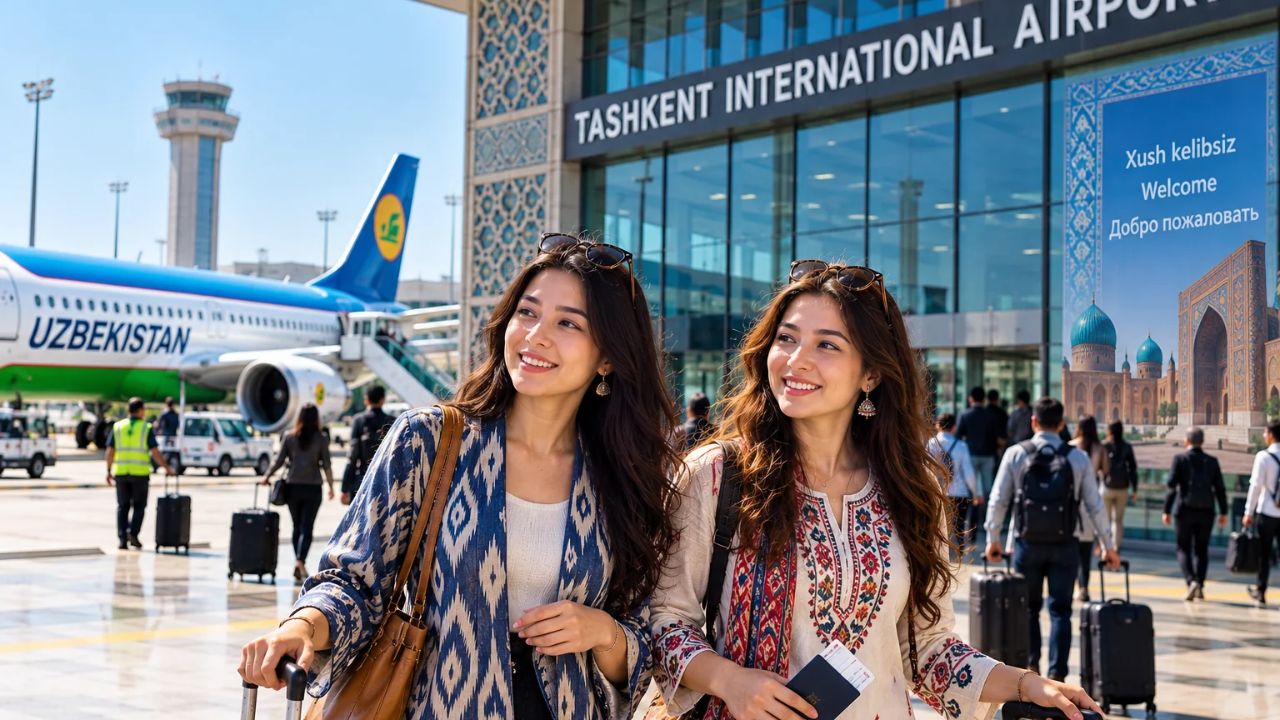
Image generated by AI
Uzbekistan is aggressively positioning itself as the undisputed premier travel destination in Central Asia. The government has unveiled an unprecedented, highly structured tourism development plan aiming for completion by 2027. This ambitious strategy involves the rollout of 31 high-impact mega-projects, a comprehensive infrastructure overhaul, and the creation of 40,000 new jobs, signaling a genuine revolution in how the country manages and markets its profound Silk Road heritage.
31 High-Impact Mega-Projects
At the core of the 2026-2027 strategy is a shift toward a modernized, project-based management approach. Rather than piecemeal development, the government has identified 31 specific initiatives designed to rapidly scale the country's tourism capacity.
These projects include:
- Restoration of Silk Road Heritage: Meticulous, large-scale rehabilitations of historic trading domes, madrasas, and minarets across the ancient cities of Samarkand, Bukhara, and Khiva.
- New Tourist Hubs: Development of modern, integrated resort complexes outside major cities, offering luxury amenities while providing easy access to historic sites.
- Transport Modernization: Upgrading the high-speed Afrosiyob rail network to seamlessly connect the capital, Tashkent, with the primary tourist centers in the west, drastically reducing travel friction for international visitors.
Massive Hospitality Expansion
To accommodate the projected surge in international arrivals, Uzbekistan is executing an aggressive hospitality expansion.
By 2027, the country aims to add:
- 8,250 new hospitality properties
- 95,000 new hotel rooms
- 1,380 newly constructed hotels, ranging from high-end international luxury brands in Tashkent to boutique, culturally immersive guesthouses in the Fergana Valley.
This massive influx of inventory is designed to ensure that the country can handle large-scale tour groups and independent luxury travelers without the price-gouging that often accompanies supply shortages in emerging markets.
Empowering the Private Sector
The government recognizes that a thriving tourism ecosystem cannot be entirely state-run. A major pillar of the 2026 strategy involves aggressively incentivizing the private sector and international tour operators.
Financial Incentives (Effective Late 2026):
- Foreign Tour Operators: Will receive partial financial reimbursements for bringing large tourist groups into the country, effectively subsidizing travel costs to make Uzbekistan highly competitive against Middle Eastern or Southeast Asian destinations.
- Marketing Compensation: International marketing campaigns promoting Uzbekistan can receive up to 25% compensation (capped at UZS 500 million) from the state.
- Event Funding: Private entrepreneurs organizing cultural festivals, music events, and art exhibitions will receive partial state funding to ensure a vibrant, year-round calendar of events to attract tourists.
A New Era for Central Asian Travel
Through these bold, heavily funded initiatives, Uzbekistan is transforming its tourism sector from a niche destination for adventurous backpackers into a mainstream, high-quality global tourism powerhouse. By blending its authentic, thousands-year-old architectural majesty with modern, reliable infrastructure, Uzbekistan is offering travelers a glimpse into the future of Central Asian tourism.
Related Travel Guides
This article is for informational purposes. Flight routes, passenger regulations, visa rules, and transit advisories are subject to change by airlines and aviation authorities. Readers are advised to verify schedules and travel documentation with relevant carriers and border agencies before departure.
Related Stories
Uzbekistan Tourism 2026: Tashkent Airport Passenger Surge Outpaces European Hubs Along the Modern Silk Road

Warm US Winter Travel Guide 2026–2027: Nine Sunshine Escapes from the Florida Keys to Hawaii