
Uzbekistan Develops 162 Natural Sites for Adventure Tourism Boom
Uzbekistan pivots towards adventure travel, upgrading infrastructure at 162 natural sites to attract active travelers to its mountains and canyons.
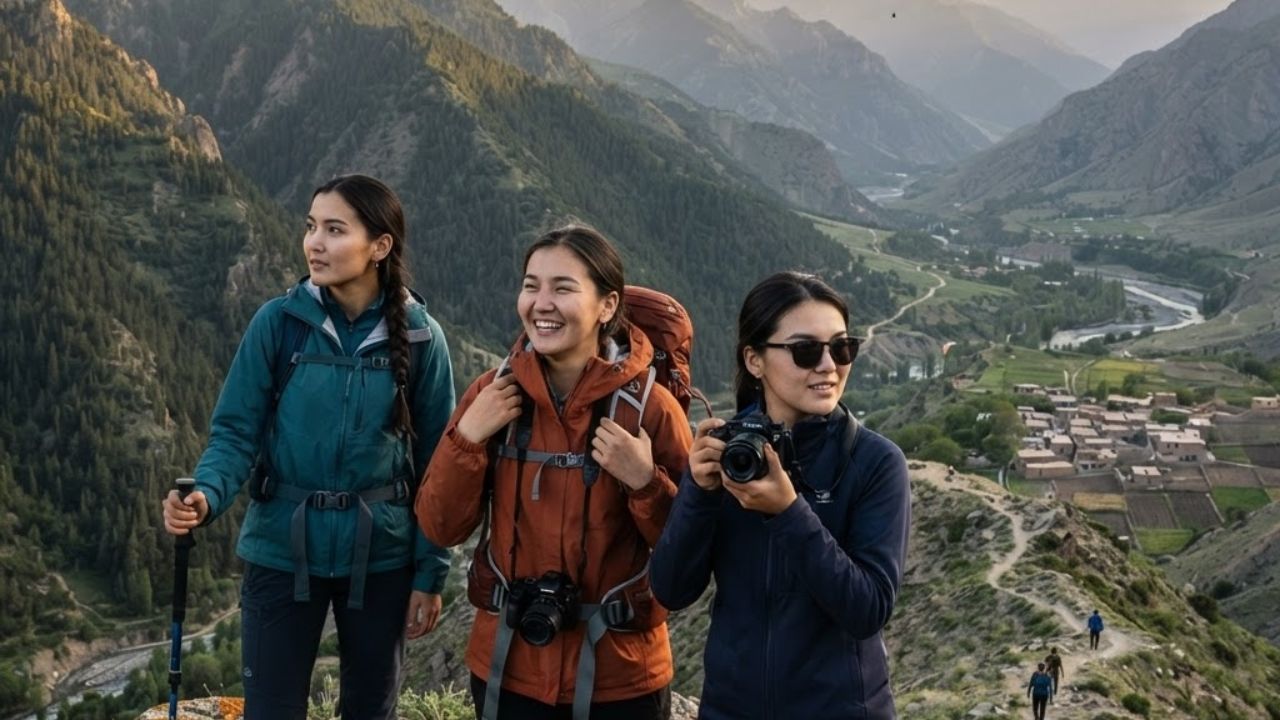
Image generated by AI
Targeting 162 natural sites across the country for modern infrastructure upgrades, Uzbekistan is pivoting towards high-adrenaline adventure travel to attract a new generation of active international visitors.
The strategic policy shift, directed by the Tourism Committee under the Ministry of Ecology, Environmental Protection and Climate Change of the Republic of Uzbekistan, focuses on establishing safety protocols and certifying professional mountain guides. By diversifying from traditional Silk Road cities like Samarkand and Bukhara, the government is opening up rugged alpine regions and deep canyons to trekking, paragliding, and winter sports. The development of small aviation networks and eco-friendly guesthouses is designed to improve accessibility to remote provincial valleys.
The Local Trend Revealed: High-Altitude and Winter Sports Expansion
The development of Uzbekistan's adventure sector is structured around its diverse topography. While the historic blue-domed architecture draws sightseers, the new strategy targets outdoor enthusiasts seeking physical challenges. According to updates from the State Committee for Ecology and Environmental Protection of Uzbekistan and the Uzbekistan Mountaineering Federation, the 162 selected sites will feature standardized safety anchor systems, clearly marked trail maps, and emergency medical response facilities.
To support this expansion, policymakers are encouraging investments in regional transportation and high-altitude communications. Light aircraft services and regional airstrips will allow visitors to move quickly between separate geographical regions, reducing the travel time associated with overland mountain travel.
The following table details the key geographical destinations and active recreation targets across the country:
| Province / Destination | Primary Geographical Feature | Targeted Active Tourism Focus | Local Economy Infrastructure |
|---|---|---|---|
| Tashkent Mountains | High-altitude alpine peaks | Trekking, rock climbing, paragliding, skiing | High-altitude communications & rescue centers |
| Zaamin | Dense pine forests & meadows | Eco-lodging, nature hiking, health retreats | Solar-powered wellness resorts & trailheads |
| Surkhandarya | Rugged canyons & dry terrain | 4x4 off-road driving, wilderness camping | Equipment rental depots & ranger stations |
| Kashkadarya | Valleys & mountain streams | Mountain biking, river trekking | Community-owned guesthouses & guide networks |
| Nuratau Mountains | Tranquil ranges & springs | Nature walks, bird watching, village stays | Heritage craft workshops & home-stays |
Regional Development and Rural Market Upliftment
The geographical dispersal of travelers is a core objective of the national tourism strategy. By guiding visitors away from the high-density historic centers of Tashkent and Samarkand, the policy aims to generate income channels for rural communities. In provinces like Surkhandarya and Kashkadarya, the establishment of guided trekking routes and mountain bike trails directly supports the local economy.
Rather than concentrating wealth in major urban hotels, the nature-focused model relies on community-based tourism. Rural families are receiving assistance to build eco-friendly guesthouses (ev-qonaq) and supply local guiding services. This integration of local services ensures that tourism spend directly benefits family economies while funding infrastructure improvements, such as rural road paving and cellular connectivity upgrades, which benefit resident communities.
Cultural and Environmental Value: Empowering Community-Based Tourism
For the visitor, the real impact is the opportunity to participate in community-led conservation that protects fragile alpine environments. In the Nuratau Mountains, community-based tourism programs support local families in preserving traditional agricultural practices and ancient water management systems (karez).
By staying in home-stays in villages like Sentob, travelers help prevent rural depopulation and fund conservation projects. The Tourism Committee enforces strict environmental guidelines for trail maintenance and waste disposal in protected areas, ensuring that high-adrenaline sports do not degrade the local scenery. This balance allows adventure tourism to thrive while preserving the natural heritage of Central Asia.
Global Adventure Tourism and Market Dynamics
The pivot towards nature-based and active travel is reshuffling the destination choice landscape. International travelers, especially younger demographics, increasingly prefer experiential journeys that offer physical activity, natural scenery, and environmental awareness over passive urban sightseeing. By establishing standard guidelines and training modules for mountain guides, the country is positioning its mountainous territories as highly competitive alternatives to established alpine hubs.
This strategy helps isolate the regional tourism sector from market shifts. While historic cities may experience visitor saturation during spring and autumn peaks, nature-focused destinations like the Nuratau and Tashkent mountains can absorb visitors during the summer shoulder seasons. The collaboration between the Ministry of Ecology and local travel operators ensures that environmental parameters are met, preserving fragile ecological zones while providing world-class infrastructure for global outdoor enthusiasts.
Supporting Heritage Craft Communities and Local Preservation
Beyond outdoor sports, the adventure tourism push integrates with the preservation of cultural heritage in mountain villages. Visitors taking trekking trips in Kashkadarya and the Nuratau range are encouraged to purchase traditional handicrafts directly from local workshops. In these remote areas, families have preserved techniques for weaving wool carpets, forging iron tools, and pottery making.
By staying in family-owned home-stays, international travelers provide an essential source of income that supports these craft guilds. This economic model reduces the pressure on younger generations to migrate to urban centers for work, ensuring that traditional mountain villages remain active communities. Tourism bureaus coordinate with craft associations to establish local visitor centers where travelers can observe and learn these ancient crafts, creating an immersive cultural exchange that benefits both visitors and host communities.
Visitor Insider Tips: Navigating Uzbekistan's Mountains
Exploring Uzbekistan’s alpine peaks and rural valleys safely requires specific preparation:
- Clearing Registration Requirements: All foreign travelers must be registered with the immigration authorities. Ensure your mountain guesthouses or tour operators provide official registration slips (propiska) for every night spent in remote areas.
- Respecting Traditional Etiquette: When entering a home, traditional guesthouse, or a raised wooden dining platform (charpoy), always remove your shoes. Placing your right hand over your heart with a slight bow is a respectful local greeting.
- Sampling Culinary Specialties: Try Plov (saffron-flavored rice with mutton, carrots, and raisins cooked in a copper cauldron). Accompany your meals with fresh Non (flatbread stamped with decorative patterns) and hot green tea (kök-chay) served in ceramic bowls.
- Under-the-Radar Spot: Visit the ancient stone village of Sentob in the Nuratau Mountains, where you can hike through wild walnut groves, spot rare bird species, and learn traditional pottery techniques.
Tourism Outlook: Sustainable Growth and Global Competitiveness
The future outlook for Uzbekistan's travel sector relies on establishing Central Asia as a world-class adventure destination. By combining historical Silk Road monuments with managed outdoor recreation, the country offers a unique, multi-dimensional itinerary. As the upgrades at the 162 natural sites are completed, the integration of small aviation networks and certified safety protocols will make the mountains highly accessible. This development ensures that the nation can build a resilient, year-round hospitality industry that supports conservation and community prosperity.
Key Takeaways
- Infrastructure Upgrades: Uzbekistan is developing modern safety and visitor facilities across 162 natural sites to promote adventure travel.
- Transport Connectivity: The introduction of small aviation networks and light charter flights will reduce transit times across rugged terrains.
- Community Benefits: The nature-focused tourism model directs travel spending to rural home-stays in Surkhandarya and Nuratau.
- Seasonal Balance: Expanding high-altitude and winter sports helps prevent seasonal tourism lulls and supports year-round jobs.
FAQ
Do I need a permit to hike in the mountains of Uzbekistan?
Yes, certain border zones or national parks require permits; travelers should coordinate with certified local agencies to secure clearance.
What is the best season for trekking in Uzbekistan?
The spring (April to May) and autumn (September to November) offer comfortable, cooler temperatures that are ideal for outdoor sports.
How are rural communities involved in the tourism strategy?
Local families operate eco-friendly guesthouses and provide guiding services, receiving direct economic support from incoming visitors.
Related Travel Guides
Disclaimer
This article is for informational and educational purposes only. It does not constitute legal, financial, or professional advice. While we strive to provide accurate and up-to-date information, travel policies, regulations, and conditions change rapidly. Always verify information with official sources before making travel decisions. Nomad Lawyer makes no representations about the accuracy, reliability, completeness, or suitability of the information provided. Readers should consult qualified professionals for advice specific to their circumstances. The views expressed in this article are those of the author and do not necessarily reflect the views of Nomad Lawyer.