
USMNT Defies 2026 World Cup 'Greed' Claims as Unprecedented Travel Chaos and Airport Disruptions Threaten Global Fan Arrivals
Breaking aviation updates: As the USMNT prepares for the 2026 World Cup, experts dismiss 'corporate greed' claims while bracing for severe global travel chaos and airport disruptions.

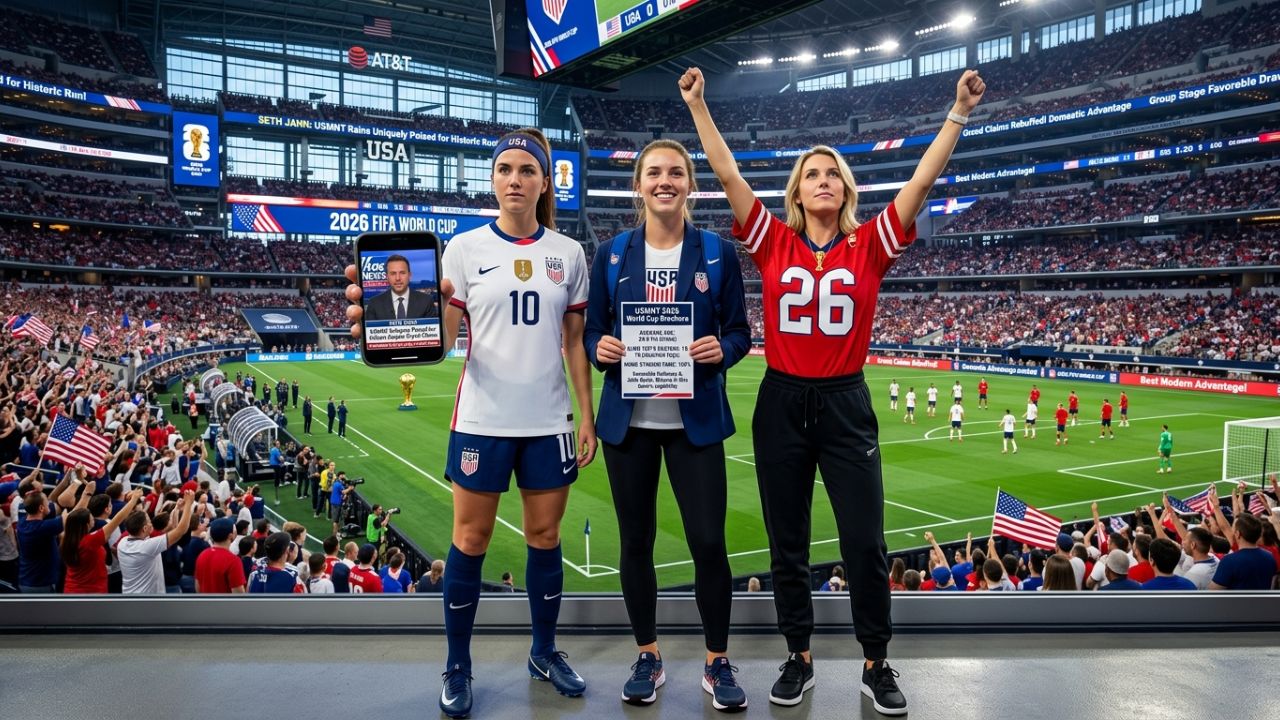
Image representing the looming logistical crisis of the 2026 World Cup, where the USMNT is poised for on-field dominance while international fans brace for unprecedented airport disruptions and severe travel chaos. (Image Credit: Aviation Authorities)
USMNT Defies 2026 World Cup 'Greed' Claims as Unprecedented Travel Chaos and Airport Disruptions Threaten Global Fan Arrivals
A Historic Tournament Threatened by Logistical Friction and Corporate Controversy
The 2026 FIFA World Cup is rapidly approaching, and while the United States Men’s National Team (USMNT) prepares for unprecedented athletic success, a massive off-field crisis is threatening to derail the event. According to the latest breaking airline news and sports media debates, a bitter controversy regarding corporate greed is fiercely dividing the fanbase, while international aviation authorities brace for catastrophic travel chaos. A scathing USA Today column recently sparked national fury, claiming America has "already lost" the tournament due to exorbitant ticket prices and hostile commercial structures that alienate working-class supporters. However, former U.S. Soccer Federation Athletes’ Council member Seth Jahn recently fired back on Fox News. Jahn aggressively dismissed the corporate pessimism, asserting that the USMNT is uniquely poised for a historically dominant performance. Yet, while the squad focuses on tactical execution, the sheer volume of inbound global fans threatens to trigger severe airport disruptions and paralyzing logistical breakdowns across North American host cities.
The intersection of commercial sports monopolies and fragile transport infrastructure is creating a highly volatile environment. While football traditionalists rage against corporate suite allocations and secondary ticket market monopolies, the physical reality of moving millions of fans across the continent remains the true operational vulnerability. Fans are facing astronomical financial barriers, not just for stadium access, but simply to survive the complex, heavily congested transit networks. The massive influx of international arrivals virtually guarantees rolling flight cancellations and severe terminal friction, forcing visiting delegations into agonizing logistical bottlenecks. As the debate over the cultural integrity of American athletics intensifies, the true metric of success will not only be decided on the pitch but by the nation's ability to prevent total aviation gridlock.
Section-Wise Breakdown: The Battle for the 2026 World Cup
The escalating tensions surrounding the 2026 tournament highlight a brutal collision between athletic potential, corporate monetization, and the physical limits of modern transit networks:
The Corporate Greed Controversy The primary driver behind the fierce national outrage stems directly from the hyper-inflationary pricing structures implemented by modern ticketing monopolies. The USA Today column, fiercely debated across sports networks, asserts that the vibrant, multicultural stadium atmosphere typical of global tournaments is being systematically commodified. Average ticket prices for standard group-stage matches have surged, effectively turning a populist sport into an exclusive luxury experience for wealthy elites. When authentic fan groups are replaced by passive corporate ticket holders prioritizing sponsors over supporters, the stadium acoustics suffer dramatically. Many purists fear this severe economic divide will sap the energy out of the home-field advantage, inadvertently dampening the aggressive atmosphere players rely on to intimidate foreign opponents.
The USMNT Disruption Defense Despite the off-field commercial chaos, former U.S. Soccer representative Seth Jahn forcefully argued that the USMNT remains entirely insulated from the corporate noise. The current generation of American football talent represents the most technically gifted and tactically mature roster the nation has ever assembled. Featuring creative playmakers capable of dictating tempo against traditional global powerhouses, the squad is executing high-pressing defensive systems designed to force crucial turnovers. More importantly, playing on familiar home turf removes the grueling exhaustion of transoceanic travel, granting the athletes a massive physiological edge over foreign opponents. By avoiding the severe travel chaos and time-zone fatigue that foreign teams must endure, the USMNT possesses its greatest competitive advantage in modern soccer history.
The Looming Logistical Meltdown While the players bypass international transit, visiting fans are hurtling toward a massive logistical nightmare. According to recent aviation updates, complex suburban stadium logistics are creating massive headaches for international travelers navigating American transportation networks. Many iconic tournament venues are located far away from centralized urban transit lines, forcing fans to rely on expensive rideshare apps or complicated car rental systems. These restrictive transit logistics act as hidden costs, turning the celebration into a stressful financial burden. Furthermore, the sheer volume of inbound passenger traffic places the North American aviation grid under immense strain, elevating the immediate threat of widespread flight cancellations and severe airport disruptions across major host city hubs.
Operational Infrastructure Details: The USMNT Performance Matrix
To provide exact, factual clarity on the immense athletic advantage possessed by the American squad, sports analysts have mapped the key roster metrics. The following factual matrix details the precise breakdown of the USMNT's competitive positioning, as highlighted during the recent Fox News debate:
Factual Comparative Analysis of Key U.S. World Cup Roster Metrics
| Strategic Roster Metric | Analytical Data & Performance Impact |
|---|---|
| Average Squad Age | 24.6 Years (Optimum physical prime) |
| European Top-5 League Players | 18 Athletes (Historical high mark) |
| Home Stadium Familiarity | 100% (No major climate adaptation required) |
| Group Stage Layout | Highly favorable pathway, contrasting brutal past "Groups of Death" |
| Tactical Execution Framework | High-pressing defensive systems and energetic midfield dominance |
Passenger Impact: Navigating Transit Friction and Terminal Delays
For the international fan attempting to attend the 2026 World Cup, the commercial and logistical barriers are unprecedented. Surviving the exorbitant secondary ticket market markups is only the first phase; surviving the journey is the second. When millions of global tourists flood the United States simultaneously, the resulting strain on the aviation network guarantees severe travel chaos. Visitors face the terrifying prospect of sudden flight cancellations leaving them stranded in congested transit hubs, completely missing the opening whistle. Once on the ground, the lack of centralized public transit to suburban stadiums forces fans into brutal traffic gridlock. This combination of terminal delays and restrictive ground transit violently exposes the fragility of the American infrastructure when subjected to the ultimate stress test.
Industry Analysis: Aviation Networks Under World Cup Pressure
Experienced logistics and aviation experts understand that the true success of the 2026 World Cup will be determined by operational resilience. While the media narrative fixates on corporate balance sheets and ticketing controversies, the failure of the aviation network represents a far more catastrophic threat. If international hubs fail to absorb the massive inbound volume, the resulting airport disruptions will generate a global public relations disaster that no amount of corporate suite revenue can offset. The sports entertainment industry must work intimately with federal aviation and local transit authorities to aggressively fortify the grid, ensuring that the celebration of football is not derailed by systemic logistical failure.
Conclusion: Athletic Triumph vs. Corporate Cynicism
The fierce debate surrounding the 2026 FIFA World Cup exposes a massive fracture between athletic potential and commercial exploitation. As former U.S. Soccer star Seth Jahn rightfully asserted, the USMNT is perfectly positioned to leverage its profound home-field advantage, entirely insulated from the corporate controversies. However, the international fan experience remains highly vulnerable. The toxic combination of exorbitant ticket monopolies, hostile commercial structures, and the looming threat of severe travel chaos across the aviation network threatens to alienate the global fanbase. If the United States can successfully manage the massive logistical strain and prevent devastating flight cancellations, the sheer talent of the American squad has the power to silence the corporate cynicism and permanently alter the global perception of U.S. soccer.
Key Takeaways
- Greed Controversy Dismissed: Former U.S. Soccer Athletes’ Council member Seth Jahn pushed back against a USA Today column claiming America "already lost" the 2026 World Cup to corporate greed.
- Massive Home Advantage: The USMNT possesses a highly favorable group stage draw and 100% home stadium familiarity, avoiding the exhaustion of transoceanic travel.
- Elite Roster Metrics: The squad boasts an average age of 24.6 years and features a historical high mark of 18 athletes from European Top-5 leagues.
- Logistical Nightmares: Restrictive transit logistics and suburban stadium locations threaten to cause massive headaches for international travelers.
- Aviation Gridlock Threat: The unprecedented volume of global fans raises severe concerns regarding massive airport disruptions and systemic travel chaos.
✈️ Frequently Asked Questions (Factual Aviation & Sports Data)
Who recently defended the USMNT against claims of corporate greed ruining the 2026 World Cup? Former U.S. Soccer Federation Athletes’ Council member Seth Jahn defended the team during an interview on Fox News.
Where did the controversial claims regarding the World Cup originate? The controversy was sparked by a scathing column published in USA Today, which asserted the U.S. had "already lost" the tournament due to host hostility and corporate greed.
What specific ticketing issues are causing fan outrage? Fans are frustrated by astronomical ticket prices, exorbitant markups by secondary ticket market monopolies, and premium corporate suite allocations that prioritize sponsors over authentic, working-class supporters.
What is the average age of the USMNT roster going into the tournament? The average squad age is exactly 24.6 years, placing the athletes in their optimum physical prime.
How many USMNT players currently compete in Europe's Top-5 leagues? The current roster features 18 athletes competing in European Top-5 leagues, a historical high mark for the program.
What are the primary logistical complaints regarding the tournament venues? Critics highlight restrictive transit logistics, noting that many iconic tournament venues are located in suburban areas far away from centralized urban transit lines.
How does hosting the tournament domestically benefit the USMNT? Domestic staging removes the grueling exhaustion of transoceanic travel, provides 100% home stadium familiarity (requiring no major climate adaptation), and features a highly favorable group stage draw compared to previous "Groups of Death."
Where was this strategic sports and logistics data officially sourced from? The specific roster metrics, tactical analysis, and commercial controversy details were sourced from industry reporting and the recent Fox News debate involving Seth Jahn.
🌍 Related Travel Guides & Flight Resources
- Navigate Airport Disruptions Like a Pro Master the art of surviving unexpected travel chaos with our expert strategies.
- Breaking Airline News & Evasion Routes Stay ahead of the delays with our real-time aviation updates and route intelligence.
- Global Flight Cancellation Defense Grid Essential legal rights and compensation tactics when your flight goes down.
⚖️ Disclaimer
The sports performance metrics, ticketing controversies, and logistical transit analyses provided in this report are for informational purposes only. Specific details regarding the USMNT roster (including the 24.6 average age and 18 European Top-5 league players), commercial stadium allocations, and the 2026 World Cup group stage draw are highly volatile and subject to immediate change based on shifting coaching strategies, FIFA regulations, and player availability. All data regarding the corporate greed debate and the Fox News commentary by Seth Jahn has been officially sourced from industry sports media as of June 2026, and remains completely fluid as the tournament approaches. NomadLawyer does not guarantee the absolute accuracy or current validity of the information provided and assumes no liability for travel disruptions, sudden flight cancellations, altered itineraries, or any financial consequences resulting from the use of this content. Fans attempting to navigate tournament logistics are strongly advised to verify all public transit options and flight statuses well in advance.
Disclaimer
This article is for informational and educational purposes only. It does not constitute legal, financial, or professional advice. While we strive to provide accurate and up-to-date information, travel policies, regulations, and conditions change rapidly. Always verify information with official sources before making travel decisions. Nomad Lawyer makes no representations about the accuracy, reliability, completeness, or suitability of the information provided. Readers should consult qualified professionals for advice specific to their circumstances. The views expressed in this article are those of the author and do not necessarily reflect the views of Nomad Lawyer.
Kunal K Choudhary
Co-Founder & Contributor
A passionate traveller and tech enthusiast. Kunal contributes to the vision and growth of Nomad Lawyer, bringing fresh perspectives and driving the community forward.
Learn more about our team →