
Destination Campaigns: USA and Italy Coordinate Architectural Project
A historic stonework collaboration links Indiana, Washington DC, and Carrara, Italy, as limestone is carved for the White House ballroom expansion.

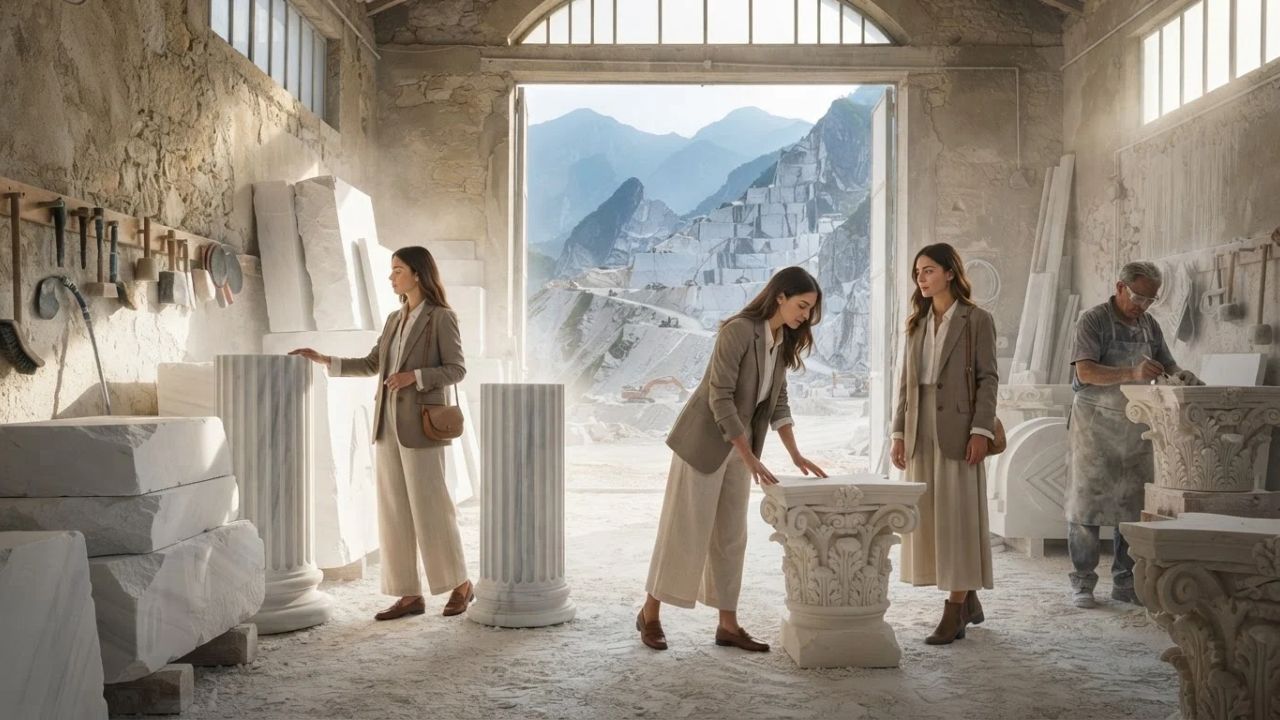
Image generated by AI
A historic stonework collaboration links Indiana, Washington DC, and Carrara, Italy, as limestone is carved for the White House ballroom expansion. The National Park Service indicates that utilizing traditional carving techniques coordinates building renovations, supporting cultural heritage tourism programs across both regions.
The Transition of Public Monuments to Transatlantic Cultural Collaborations
A notable trend in heritage travel planning is the transition of public monuments to transatlantic cultural collaborations. Historically, metropolitan tourism offices promoted historical landmarks solely as local achievements, ignoring the international supply lines of materials and artisan skills that constructed them. In 2026, rising interest in architectural history and craftsmanship tourism encourages travelers to follow the routes of building materials, linking stone quarries in Indiana with artisan workshops in Tuscany and final installation sites in Washington DC.
By highlighting these geographic connections, tourism boards encourage travelers to explore regional centers outside traditional gateways. This heritage-focused travel model supports independent stone carving studios, geologic museums, and historic preservation groups.
The Transatlantic Stone Collaboration Journey
The architectural project links raw material sources with specialized craftsmanship centers:
- Indiana Limestone Extraction: High-grade building stone is quarried in Indiana and transported across the Atlantic to Europe.
- Carrara Sculpting Workshops: Traditional Italian stonemasons in Tuscany carve the limestone blocks, using skills inherited from generations of working with regional Carrara marble.
- Apuan Alps Quarry Tourism: The project draws visitor interest to the industrial heritage trails, geologic museums, and mountain villages of the Carrara region.
- Washington DC Installation: The finished columns and decorative stonework are shipped back to the United States for the White House ballroom expansion.
- Monumental Architecture Links: This project continues the historical pattern of utilizing European classical carving styles for major governmental sites like the US Capitol, Supreme Court, and National Mall.
This transatlantic loop demonstrates the ongoing value of hand-carved stone in high-profile public architecture.
US and Italian Stonework Tourism Coordinates
The table below breaks down the project sectors, material flows, artisan locations, target landmarks, regional partners, and coordinating authorities recorded on August 24, 2026:
| Core Project Sector | Material Flow Route | Artisan Carving Location | Target Landmark | Regional Partner | Coordinating Authority |
|---|---|---|---|---|---|
| Heritage architecture | Indiana limestone to Italy | Carrara (Tuscany) | White House ballroom | Carrara Stone Guild | National Park Service |
| Craftsmanship travel | Finished carvings to DC | Apuan Alps mountain workshops | Federal Mall structures | Italian Tourism Board | White House Historical |
| Geologic tourism | Marble quarry exports | Northern Italy studios | Classical public halls | Washington Hotel Assoc | Italian Ministry of Culture |
These coordinates outline the sectors, routes, locations, landmarks, partners, and authorities established for the cultural programs.
Resource Stewardship and Eco-Aware Architectural Travel
For the traveler, the benefit of choosing small-group craftsmanship tours in Carrara or Washington DC is supporting historic preservation groups and local guide guilds directly. Utilizing regional rail networks to reach the quarry districts of Tuscany minimizes vehicle carbon footprints in fragile mountain environments.
Additionally, booking visits to designated geology museums that fund quarry land reclamation projects helps offset the impact of mineral extraction. Selecting local guesthouses in the Apuan Alps helps sustain traditional communities that depend on heritage tourism.
For comparison, you can explore the changing dynamics of Stimulus Launch: Taiwan Unveils Billion-Dollar Repeat Visitor Rewards to see how destinations promote visitor spend. For transit updates, comparing travel scheduling matches other networks, such as Destination Campaigns: United States Travel Market Records Growth updates. This trend is similar to the tourism growth seen in other destinations, as detailed in our guide on the Hacienda Heights Bus Fire Transport Safety regulations.
Artisan Insider Tips: Exploring Carrara and Washington DC
If you are planning to travel to these stonework destinations, keep these practical tips in mind:
- Book Quarry Tours in Advance: Reserve 4x4 quarry excursions in Carrara weeks ahead, as safety regulations restrict daily visitor numbers on the mountain access roads.
- Visit the Carrara Civic Museum: Tour the Museo Civico del Marmo to see Roman-era carving tools and geological displays before visiting active workshops.
- Coordinate DC White House Visits: Submit your tour requests through your embassy or member of Congress months in advance to view the historic state rooms.
- Wear Sturdy Footwear in quarries: Wear closed-toe hiking shoes when walking on the loose marble gravel and stone dust of active carving yards.
- Explore the Washington National Cathedral: Visit the cathedral's stone carving shop in northwest DC to see local masons performing preservation work.
Long-Term Outlook for Transatlantic Heritage Travel
The long-term outlook for heritage transit is focused on restoring historical canals used for shipping heavy stone, building solar-powered transport networks at mountain quarries, and launching digital catalogs detailing the origins of public building materials. As traveler demand for cultural depth grows, international transit boards and historic preservation ministries will cooperate to maintain passenger standards.
By developing sustainable transit options and protecting artisan communities, the tourism sector aims to build a sustainable transport network.
FAQ
Why is Indiana limestone being shipped to Italy?
The stone is transported to Carrara, Italy, to be carved by traditional Italian sculptors who possess specialized skills in classical stonework before it is installed in Washington DC.
How is the city of Carrara connected to this project?
Carrara is situated in Tuscany and is world-famous for its marble quarries and historic stone-carving workshops, making it the global center for architectural sculpting.
Which Washington DC building is being expanded?
The carved limestone is designated for the architectural elements of the planned White House ballroom expansion project.
Where can travelers learn about marble carving in Italy?
Visitors can tour the Apuan Alps quarries, explore the Civic Marble Museum in Carrara, and book visits to local artisan carving studios.
Stay updated on regional travel regulations and cultural campaigns shaping international transit.
Related Travel Guides
Disclaimer
This article is for informational and educational purposes only. It does not constitute legal, financial, or professional advice. While we strive to provide accurate and up-to-date information, travel policies, regulations, and conditions change rapidly. Always verify information with official sources before making travel decisions. Nomad Lawyer makes no representations about the accuracy, reliability, completeness, or suitability of the information provided. Readers should consult qualified professionals for advice specific to their circumstances. The views expressed in this article are those of the author and do not necessarily reflect the views of Nomad Lawyer.
Raushan Kumar
Founder & Lead Developer
Full-stack developer with 11+ years of experience and a passionate traveller. Raushan built Nomad Lawyer from the ground up with a vision to create the best travel and law experience on the web.
Learn more about our team →