
USA Coolcation Trend 2026: Travelers Swap Tropical Beaches for Alaska, Michigan and Pacific Northwest
The 2026 summer travel season sees a massive shift toward 'Coolcations,' as US tourists abandon extreme southern heat for the temperate climates of Alaska, the Great Lakes, and the Pacific Northwest.

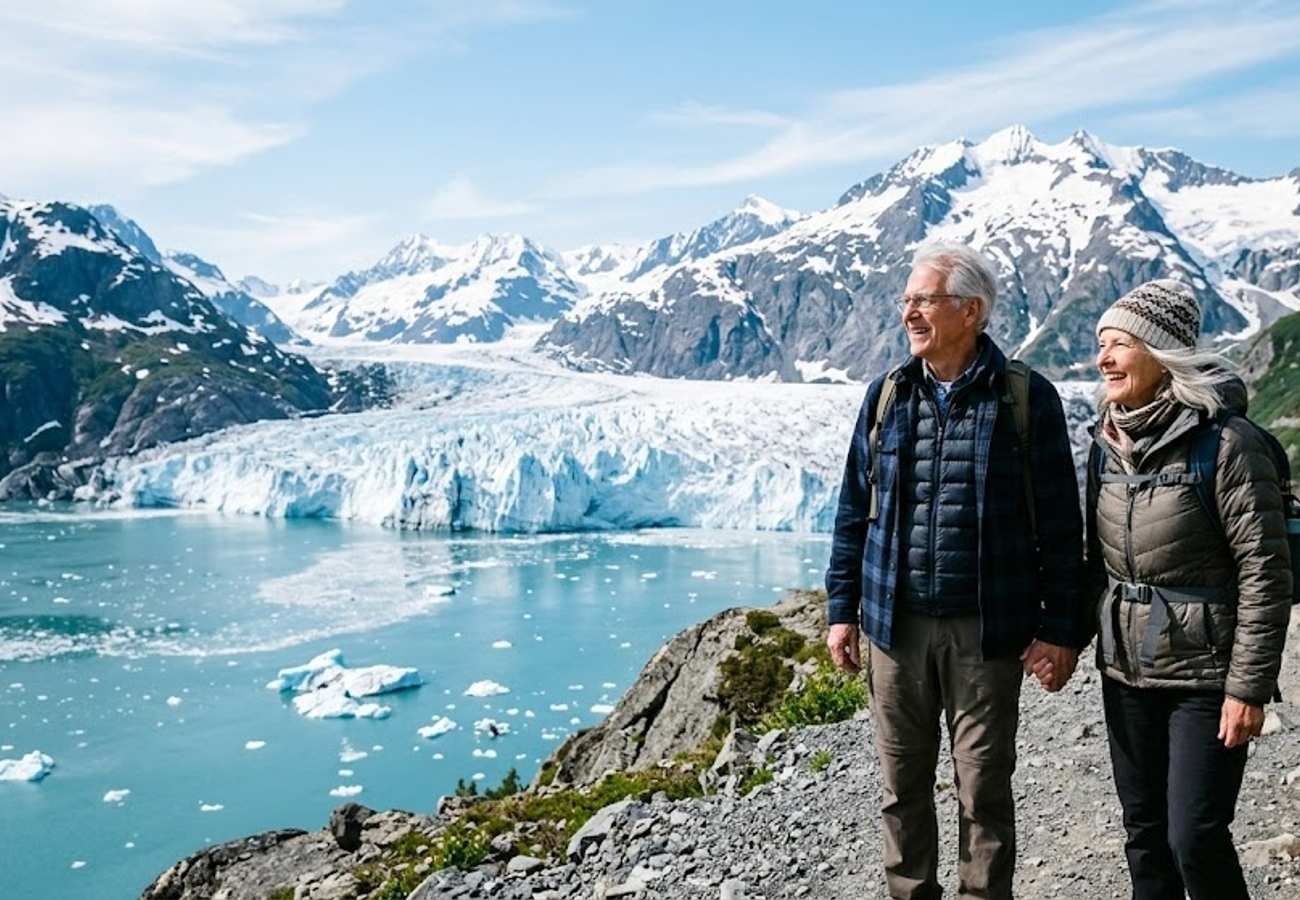
Image generated by AI
The traditional American summer holiday is undergoing a fundamental shift in 2026. Travelers are increasingly abandoning crowded coastal resorts and tropical heat in favor of northern latitudes, prioritizing temperature comfort over sun-seeking.
This movement, termed the "Coolcation," marks a pivot toward destinations where outdoor exploration remains viable during the peak summer months. From the glacial landscapes of Alaska to the freshwater coastlines of the Great Lakes, northern regions are seeing a surge in demand as tourists seek relief from rising national temperatures.
The Drivers of the Coolcation Shift
Industry data indicates that the migration north is a direct response to extreme weather patterns. In 2026, several southern US states are regularly recording temperatures that meet or exceed 100°F (38°C). This volatility has rendered traditional hotspots in Florida, Texas, Arizona, and Nevada restrictive, as intense heat often limits outdoor activity to early morning or late evening.
In contrast, northern corridors offer a stable environment for tourism. Market trends show that travelers are now calculating the "comfort cost" of their vacations, choosing regions where the climate supports active itineraries rather than sedentary heat-avoidance.
Regional Temperature Comparisons
The following data highlights the stark contrast in summer conditions driving the 2026 trend:
| Region | Typical Summer Temperature Range | Primary Appeal |
|---|---|---|
| Florida | 95–100°F (35–38°C) | Tropical Beaches (High Heat) |
| Coastal Michigan | 70–80°F (21–27°C) | Freshwater Lakes & Small Towns |
| Alaska Coastal | 55–70°F (13–21°C) | Glaciers, Wildlife & Daylight |
| Pacific Northwest | Variable (Cool Forest/Mountain) | Waterfalls, Forests & Wellness |
Primary Coolcation Hubs for 2026
Alaska: The Ultimate Heat Escape
Alaska has transitioned from a niche adventure destination to a primary summer pillar. The state attracts heat-weary travelers through a combination of endless daylight and cold-water activities. High-growth areas include:
- Anchorage and Juneau: Key gateways for wilderness exploration.
- Kenai Peninsula: A hub for whale watching and glacier hiking.
- National Parks: Increased traffic for mountain trekking and northern wilderness tours.
The Pacific Northwest: Nature-Based Wellness
Washington and Oregon are benefiting from a surge in "slow travel" and wellness-focused tourism. Travelers are prioritizing:
- Olympic National Park and Mount Rainier: For mountain trails and mist-covered forests.
- Oregon’s Cascade Mountains: For high-altitude escapes.
- Coastal Washington: For temperate seaside experiences.
- Wellness Activities: A rise in forest bathing and outdoor meditation.
The Great Lakes: The New Beach Model
The Great Lakes region is challenging the necessity of saltwater beaches. Michigan, Wisconsin, and Minnesota are positioning freshwater coastlines as superior alternatives to southern shores.
- Lake Michigan Communities: Offering 70°F temperatures and sandy beaches.
- Activities: Increased demand for kayaking, boating, and outdoor dining.
- Economic Value: These regions are emerging as more affordable alternatives to traditional coastal resorts.
Economic and Lifestyle Implications
Beyond temperature, the Coolcation trend provides tangible financial advantages. Traditional beach destinations often implement peak-season pricing during school holidays, inflating the cost of flights and hotels.
Because northern destinations have historically seen lower summer volumes, travelers are finding:
- More competitive accommodation pricing.
- Reduced congestion at major attractions.
- Shorter wait times for services.
- Greater accessibility to undisturbed natural environments.
Why This Matters: Industry Analysis
The rise of the Coolcation is not a temporary fad but a symptom of a broader structural shift in global tourism. Our analysis suggests that "climate-consciousness" is now a primary decision driver in the travel booking process.
For decades, the industry operated on a "Sun, Sand, and Sea" model. However, the 2026 data indicates a transition toward a "Comfort, Nature, and Wellness" model. This shift forces a redistribution of tourism capital. Northern municipalities that previously focused on winter tourism are now diversifying their portfolios to capture high-value summer revenue. This diversification stabilizes local economies by reducing seasonal volatility.
Forward Outlook
As extreme heat events become more frequent, the demand for temperate summer destinations is expected to scale. Tourism boards in the north are already intensifying marketing campaigns to attract demographics that previously viewed these regions as "too cold." Expect an increase in infrastructure development in the Pacific Northwest and Alaska to accommodate this permanent shift in traveler behavior.
The future of summer travel is no longer about chasing the sun, but about finding the perfect temperature.
Related Travel Guides
Disclaimer
This article is for informational and educational purposes only. It does not constitute legal, financial, or professional advice. While we strive to provide accurate and up-to-date information, travel policies, regulations, and conditions change rapidly. Always verify information with official sources before making travel decisions. Nomad Lawyer makes no representations about the accuracy, reliability, completeness, or suitability of the information provided. Readers should consult qualified professionals for advice specific to their circumstances. The views expressed in this article are those of the author and do not necessarily reflect the views of Nomad Lawyer.
Preeti Gunjan
Contributor & Community Manager
A passionate traveller and community builder. Preeti helps grow the Nomad Lawyer community, fostering engagement and bringing the reader experience to life.
Learn more about our team →